
How To
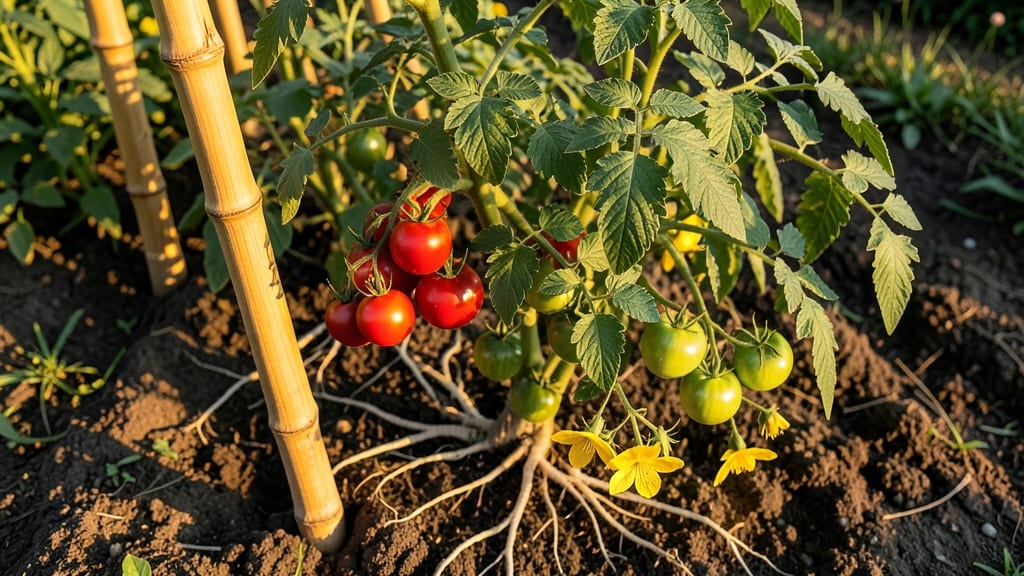
How tall should tomato plants grow? The answer depends entirely on their variety, with some staying compact at 3 feet while others climb to 8 feet or more 🍅 — and getting the support right makes the difference between a bushy harvest and a flop.
Picture this: Your 6-foot indeterminate tomato towering over your fence, its vines heavy with fruit, while your neighbor’s 2-foot determinate variety produces a single, crowded cluster. The height isn’t just about space—it’s about how you train, prune, and support your plants to maximize yield.
In this guide, I’ll break down the height ranges for determinate (bush) and indeterminate (vining) tomatoes, explain how sunlight, pruning, and support systems influence growth, and share the 3 most common mistakes that stunt or overgrow plants.
By the end, you’ll know exactly how tall your tomato plants should grow—and how to keep them thriving at the perfect height for your garden.

Tomato plant height by variety: determinate vs indeterminate differences
When planning your tomato garden, understanding plant height is crucial because it directly impacts your harvest success and space management. The two main categories—determinate and indeterminate—grow differently, with heights ranging from 1 foot to 12 feet.
Determinate varieties stop growing once they start fruiting, while indeterminate types keep reaching skyward all season long. Choosing the wrong type for your space or support system can lead to broken stems, missed harvests, or even plant collapse.
Let’s break down the height differences, growth habits, and support needs for each type, along with real-world examples of popular varieties. Knowing these details helps you optimize your garden layout, select the right trellises or cages, and avoid common mistakes that stunt growth or waste space.
For instance, a 6-foot indeterminate plant needs a sturdy stake, while a 3-foot determinate bush thrives in a compact cage.
| Type | Height Range | Growth Habit | Support Needs | Fruiting Pattern |
|---|---|---|---|---|
| Determinate | 1–5 ft | Bushy, compact | Low cages or stakes | All at once (1–2 weeks) |
| Indeterminate | 6–12+ ft | Vining, sprawling | Trellises, tall stakes, pruning | Continuous (all season) |
*Height ranges vary by variety and growing conditions.
Determinate tomatoes, like the Celebrity or Roma varieties, typically max out at 3–5 feet and produce fruit in a single flush. This makes them perfect for container gardening or small spaces, as they don’t require extensive support.
Their compact size also reduces the risk of disease spread since air circulates better around the plant. However, their limited height means you’ll need to replant every year for a continuous harvest.
Indeterminate varieties, such as Sungold or Brandywine, can grow 6 feet or taller and produce fruit continuously until frost. These vining plants need strong vertical support, like wooden trellises or metal cages, to prevent stems from snapping under the weight of heavy tomatoes.
Without proper support, indeterminate plants can sprawl across your garden, shading other crops and making harvesting difficult. Their extended growth also means you’ll enjoy tomatoes for months, but they require more pruning and training to stay productive.
One common mistake gardeners make is assuming all tomato plants need the same support. For example, planting a 10-foot indeterminate like Cherokee Purple in a 3-foot cage designed for determinate varieties will lead to disaster.
Always check the variety description on seed packets or plant tags to match your support system to the plant’s mature height. This simple step can save you from broken stems and wasted effort.
Another key factor influencing height is pruning practices. Indeterminate tomatoes benefit from regular pruning to remove suckers (side shoots) and direct energy toward fruit production. Without pruning, these plants can grow wildly tall and produce smaller, lower-quality tomatoes.
Determinate varieties, on the other hand, rarely need pruning since their growth is naturally limited. Over-pruning determinate plants can actually reduce your yield by removing potential fruiting sites.
If you’re short on space, consider dwarf or semi-dwarf varieties, such as Tiny Tim or Patio Princess, which stay under 3 feet tall. These are ideal for balconies or small yards but may produce fewer tomatoes than their taller counterparts.
For maximum yield in limited space, pair dwarf varieties with vertical growing techniques, like espalier training or hanging baskets. This approach lets you grow more plants in less area while still enjoying a bountiful harvest.
For large gardens or commercial growers, indeterminate varieties often win for their longer harvest season and higher overall yield. However, they demand more attention, including regular watering, nutrient-rich soil, and consistent pruning.
If you’re a beginner, start with a mix of both types—plant a few determinate bushes for early harvests and a couple of indeterminate vines for a prolonged supply. This balance ensures you have tomatoes to enjoy from summer through fall.
Pro tip: Use height markers in your garden to track growth and plan future layouts. Simply place stakes next to your plants and label them with the expected mature height. This visual reminder helps you adjust support systems before the plants outgrow them.
For example, if your indeterminate plant reaches 8 feet by midsummer, it’s time to reinforce your trellis or add extra stakes to prevent toppling.
Remember, the ideal height for your tomato plants isn’t just about aesthetics—it’s about maximizing yield, preventing disease, and optimizing space. By choosing the right varieties and providing the proper support, you’ll create a thriving tomato garden that keeps producing until the first frost. 🍅
How to choose the right support system for tall tomato plants
Tall tomato plants need proper support to thrive and produce abundant fruit. Without the right structure, your plants may sprawl, break, or develop diseases from touching the wet ground. The key is matching your support system to the plant's height and growth habit.
Indeterminate varieties can reach 6-10 feet, while determinate types stay under 4 feet. Let's explore your options to keep your tomatoes standing strong.
Your support choice depends on two factors: the plant's mature height and whether it's determinate or indeterminate. Indeterminate tomatoes grow continuously and need tall trellises or stakes, while determinate types benefit from sturdy cages.
For example, a Sungold cherry tomato (indeterminate) may need a 7-foot trellis, while a Celebrity tomato (determinate) thrives in a 3-foot cage. Let's break down the best options for each scenario.
- Indeterminate Tomatoes (6-10 ft) → Use tall trellises or sturdy bamboo stakes (6+ ft). These plants grow all season, so secure them early with soft plant ties to avoid stem damage.
- Determinate Tomatoes (3-4 ft) → Opt for 5-foot cages or heavy-duty stakes. Their bushy growth holds fruit well, but cages prevent sprawling and make harvesting easier.
- Dwarf Varieties (1-3 ft) → Small cages or low stakes work best. These compact plants need minimal support but benefit from slight elevation to improve airflow.
- DIY Trellis Option → Use wooden lattice panels or flexible wire mesh attached to posts. Angle them for easier harvesting and better sunlight exposure to lower leaves.
- Pruning Tip → Remove suckers (side shoots) regularly to focus energy on fruit production. Prune indeterminate varieties more aggressively for taller growth, while determinate types need minimal pruning.
When setting up your support system, install it at planting time to avoid disturbing roots later. For stakes, bury them 1-2 feet deep and tie stems loosely with soft garden twine or velcro plant ties.
This prevents stem damage as the plant grows. If using cages, place them 3-4 inches away from the stem to allow airflow and reduce disease risk.
For heavy-fruited varieties, consider adding a second stake or crossed trellis to distribute weight. This is especially important for heirloom tomatoes like Brandywine, which can produce 10+ pounds of fruit per plant. Always check ties weekly to ensure they're not cutting into the stem as the plant expands.
Remember, the right support isn't just about height—it's about air circulation and disease prevention. Properly supported plants stay drier, reducing the risk of blight and rot. With the correct system in place, your tomatoes will grow stronger, produce more, and stay healthier throughout the season.
Start with the right support, and you'll harvest bushels of flavorful fruit all summer long! 🌱