
How To
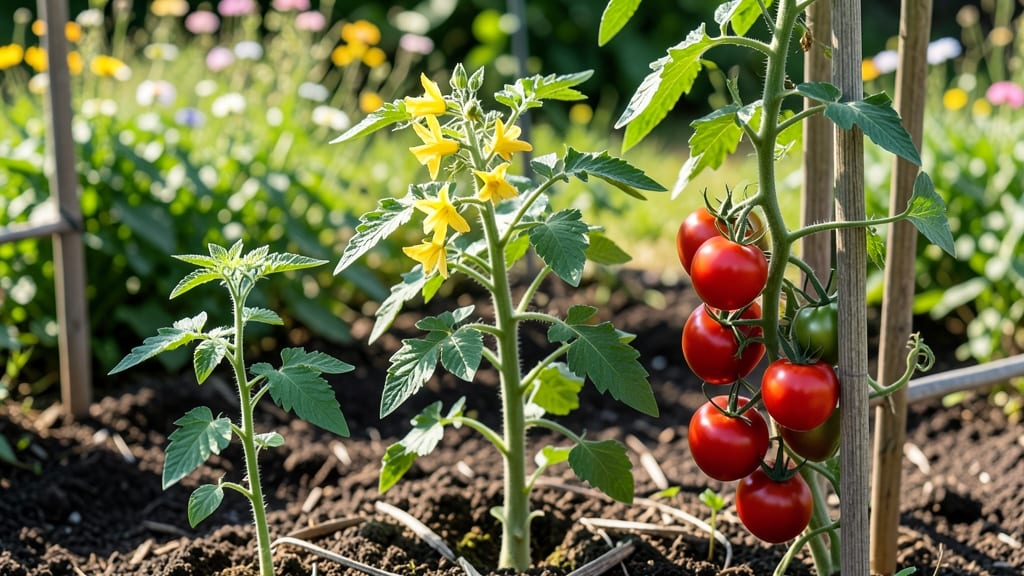
Understanding how tall tomato plants grow depends on the variety you choose, the support you give them, and how you prune them — some varieties stretch toward the sky while others stay compact.
Wondering why your tomato plants seem to grow at different rates—or how tall they should get? The height of tomato plants isn’t just about space; it’s about variety, support, and even pruning techniques that can transform a wild vine into a manageable bush.
Determinate tomatoes, like the classic Roma, top out around 3–4 feet and produce fruit in clusters, while indeterminate varieties, such as Sungold, can climb 6–10 feet or more if left unchecked. Knowing which type you’re growing helps you plan for staking, trellising, or even letting them sprawl.
In this guide, I’ll break down the height ranges for each type, share the growth stages that determine how fast they reach maturity, and show you how to control their height—whether you want a compact plant or a towering vine loaded with fruit.

Tomato plant height by variety: determinate vs indeterminate types explained
When planning your garden, tomato plant height is one of the first things to consider. The difference between determinate and indeterminate varieties isn't just about size—it impacts how you'll support, prune, and even harvest your tomatoes.
Determinate types grow to a specific height and produce fruit all at once, while indeterminate varieties keep growing and fruiting until frost. Knowing these distinctions helps you choose the perfect variety for your space and goals.
For example, determinate tomatoes like the popular Celebrity or Roma varieties typically reach 3-5 feet tall, making them ideal for containers or small gardens. On the other hand, indeterminate types such as Sungold or Brandywine can climb 6-12 feet or more if given proper support.
This difference affects everything from trellising needs to harvest timing, so let's break it down.
If you're working with limited garden space, determinate tomatoes are your best bet. Their compact growth means they don’t require extensive support systems, and their all-at-once fruiting makes them perfect for canning or preserving.
For example, the Roma variety stays around 4 feet tall and is a favorite for sauces and pastes because of its concentrated fruit production.
On the other hand, indeterminate varieties thrive when given vertical space. These plants continue to grow and produce fruit throughout the season, which is ideal if you want a steady harvest.
Varieties like Sungold cherry tomatoes can reach 8-10 feet if left unchecked, but with proper trellising or caging, you can control their spread while maximizing your garden’s vertical potential.
Another key factor is pruning needs. Indeterminate tomatoes benefit from regular pruning to remove suckers (side shoots) and direct energy toward fruit production. This can help manage their height and improve air circulation, reducing disease risk.
Determinate types, however, require minimal pruning since their bushy structure naturally supports the fruit load.
For container gardening, stick to determinate or dwarf varieties like Tiny Tim or Patio Princess, which max out at 2-3 feet tall. These are perfect for balconies or small patios where space is tight.
If you're growing in the ground and have room to spare, indeterminate varieties offer a rewarding challenge—and a bountiful harvest if you're willing to invest in support structures.
One common mistake is assuming all tomato plants will grow the same way. Indeterminate types left unsupported can become top-heavy, leading to broken stems or fallen fruit. Always plan for their mature height when choosing a location.
For instance, if you're growing Brandywine tomatoes, which can exceed 6 feet, place them near a sturdy trellis or fence before they start climbing.
Finally, consider your climate and season length. In warmer regions, indeterminate varieties can keep producing until frost, while determinate types may finish their cycle earlier.
If you're in a shorter growing season, indeterminate tomatoes might not have enough time to reach their full height, so choose varieties that mature quickly, like Early Girl, which is semi-determinate and reaches 4-5 feet in about 60 days.
Understanding these differences will help you make the best choices for your garden layout, support systems, and overall tomato-growing strategy.
Whether you prefer the neat, compact look of determinate plants or the endless harvest potential of indeterminate varieties, knowing how tall your tomatoes will grow ensures a successful and productive season. 🌱
Growth stages of tomato plants: when and how fast they reach maximum height
Tomato plants don’t grow at a steady pace—their height depends on variety type, environmental conditions, and care practices. From tiny seedlings to towering vines, understanding each growth stage helps you anticipate their final height and plan support structures.
Indeterminate varieties can reach 10+ feet without pruning, while determinate types max out around 3-4 feet. The key is recognizing when rapid growth spurts occur and how to encourage or control them.
Your tomato’s journey begins as a seedling, where height gains are slow but critical. In the vegetative stage, plants focus on leaf and stem growth, often doubling in height.
Then comes flowering, when energy shifts to fruit production, and finally fruiting, where growth may slow or stall entirely. Each phase offers clues about how tall your plant will become—and when to intervene with pruning or support.
🌱 Tomato Growth Timeline & Height Milestones
-
Seedling Stage (0-3 weeks)
Height: 2-6 inches | Focus: Root and stem development -
Vegetative Stage (3-6 weeks)
Height: 12-36 inches | Growth spurt! Indeterminate varieties may reach 2 feet/month. -
Flowering Stage (6-8 weeks)
Height: Stabilizes (determinate) or continues climbing (indeterminate) | Prune suckers to direct energy to fruit. -
Fruiting Stage (8+ weeks)
Height: Max height reached (determinate) or ongoing (indeterminate) | Focus on support and water to prevent breakage.
Note: Height varies by variety, sunlight, and temperature. Cool nights slow growth, while 70-85°F days accelerate it.
Sunlight is the #1 factor accelerating tomato height. Plants in full sun (6+ hours/day) can grow 30-50% faster than those in partial shade. Without enough light, stems stretch weakly—a condition called etiolation—leading to leggy, top-heavy plants prone to snapping.
I’ve seen indeterminate varieties like Sungold climb 12+ feet in a single season when given ideal conditions, while determinate Roma tomatoes stay compact at 3-4 feet regardless of sunlight.
Temperature also plays a surprising role. Cool nights below 55°F stunt growth, while heatwaves above 90°F can cause blossom drop, halting height increases. In my zone 6a garden, I’ve noticed tomato plants pause growth during July’s heat but surge again in early fall when temps dip.
If you’re in a hot climate, shade cloth during peak afternoon sun can prevent stress and maintain steady growth rates.
Pruning is another tool to control height—especially for indeterminate varieties. Removing suckers (the shoots in the leaf axils) redirects energy to fruit production rather than vertical growth. I prune my Brandywine tomatoes aggressively, keeping them under 6 feet even though they’d naturally reach 10+ feet.
For determinate types like Celebrity tomatoes, pruning is optional since they self-limit height. The key is balance: too much pruning reduces yield, while too little leads to unmanageable vines.
Soil nutrients also impact height. A balanced fertilizer (5-10-10) encourages strong stems, while nitrogen-heavy mixes promote leafy growth at the expense of fruit. I’ve found that side-dressing with compost every 4-6 weeks keeps my plants robust without excessive height spikes.
Over-fertilizing with nitrogen can lead to tall, weak stems that flop under fruit weight—always prioritize phosphorus and potassium during flowering and fruiting stages.
Monitoring your tomato’s growth stages lets you predict final height and adjust care accordingly. By week 6, you’ll know whether your plant is determinate (compact) or indeterminate (climbing). Use cages, stakes, or trellises early to avoid last-minute scrambling—and remember, patience pays off.
A well-supported indeterminate plant can produce tomatoes for months, while a neglected one may max out early. 🌿