
How To
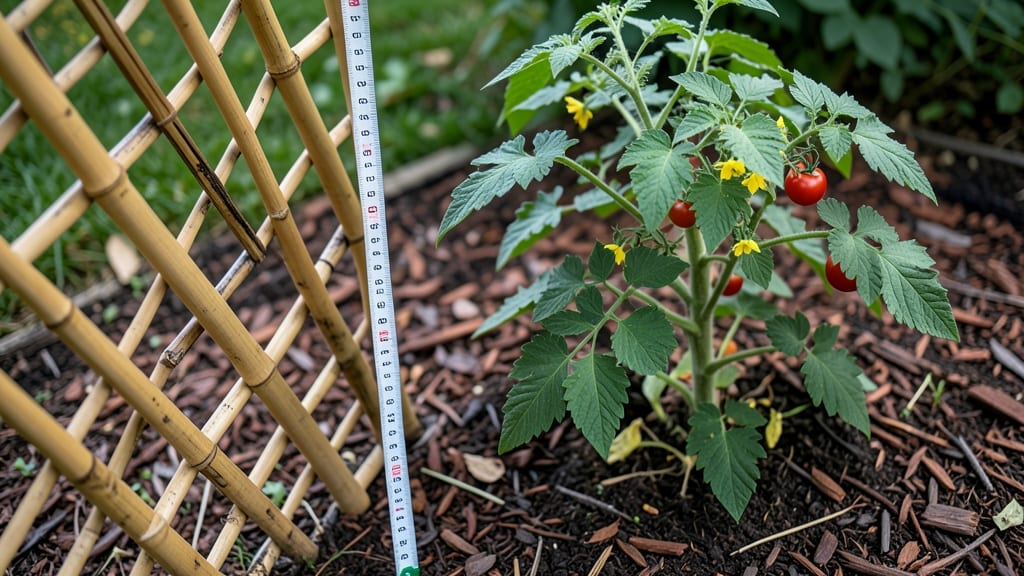
How tall do tomato plants get? They range anywhere from 18 inches to over 10 feet, depending on their variety and how you train them.
Wondering if your backyard—or even a small balcony—can handle towering tomato vines? The height of your tomato plants depends entirely on the variety, and choosing the right one could mean the difference between a sprawling jungle and a neatly contained harvest.
Determinate varieties like 'Tiny Tim' stay compact at just 18 inches, while indeterminate giants like 'Sungold' can climb to 6+ feet without stopping. Even the same plant can grow taller with proper support or pruning—or shorter if you pinch the suckers early.
In this guide, I’ll break down the height ranges for each type, how to pick the perfect variety for your space, and simple tricks to control growth without sacrificing yield.

Tomato plant height by variety: dwarf to determinate to indeterminate sizes
If you've ever stared at a seed packet wondering, "how tall do tomato plants get?" you're not alone. Tomato heights vary wildly—from compact bush varieties that barely top your kitchen counter to 6-foot vines that need trellises taller than a basketball hoop.
The key difference lies in whether a variety is dwarf, determinate, or indeterminate, each with distinct growth habits and space needs.
Choosing the right height matters more than you think. A dwarf tomato like 'Tiny Tim' thrives in 5-gallon containers on your patio, while a 6-foot indeterminate like 'Sungold' demands a sturdy cage or trellis in your garden bed.
Let's break down the three main types so you can pick the perfect fit for your space—and your harvest goals.
Dwarf tomatoes like 'Tiny Tim' (18 inches) or 'Patio Princess' (24 inches) are the perfect space-savers. These varieties produce cherry-sized fruits in 5-gallon containers or even hanging baskets. They stop growing early, making them ideal for small balconies or indoor windowsills with sufficient light. Just be ready for a shorter harvest window—they focus energy on fruit production rather than vertical growth.
Determinate varieties—often called bush tomatoes—grow to a predictable height (typically 3–5 feet) and produce fruit all at once. Examples include 'Roma' (4 feet) and 'Celebrity' (3–4 feet).
These are workhorses for canning and sauces because their simultaneous harvest makes processing easier. They don’t need pruning but benefit from cages or stakes to support their weight.
Indeterminate tomatoes are the giant vines of the garden world, capable of reaching 10 feet or more if left unchecked. Varieties like 'Sungold' (6+ feet), 'Brandywine' (8+ feet), and 'Cherokee Purple' (10+ feet) produce fruit continuously all season.
These need strong trellises or stakes—think bamboo poles or A-frame supports—and regular pruning to manage height and improve air circulation. The trade-off? Longer harvests and bigger yields per plant.
Here’s a pro tip: Prune indeterminate varieties by removing suckers (the small shoots in the leaf axils) to control height and redirect energy to fruit production. I prune mine to 6 feet max unless I’m going for a vertical garden feature.
For determinate types, skip pruning—they’ll stop growing at their set height, and you’ll get a heavy fruit load at once.
If you're working with limited space, dwarf varieties are your best bet. But if you have vertical room (like a fence or trellis), indeterminate types can maximize your harvest in a small footprint.
I once grew 'Sungold' tomatoes up a 12-foot trellis and harvested 50+ pounds from a single plant—proof that height isn’t always a limitation!
Remember, soil quality and sunlight also affect height. Poor soil or insufficient light can stunt even indeterminate varieties, while rich compost and full sun (6–8 hours daily) help them reach their full potential.
For container growers, use larger pots (10+ gallons) to prevent root-bound stress, which can limit growth.
Now that you know the height ranges, you can plan your tomato garden like a pro. Whether you're a balcony gardener or a backyard farmer, choosing the right variety ensures your plants stay happy,
How to choose tomato varieties based on your garden space
Your garden space—whether it's a 5-gallon container on a balcony or a raised bed in your backyard—dictates which tomato varieties will thrive. Indeterminate types like 'Sungold' can soar to 6+ feet without intervention, while dwarf varieties like 'Tiny Tim' max out at 18 inches.
Matching plant height to your space isn't just about aesthetics; it's about maximizing yield and avoiding crowded, disease-prone vines.
For small spaces, prioritize compact varieties that don't need staking or sprawl. In larger plots, indeterminate types can climb trellises or cages, producing fruit all season long. The key is understanding how each variety grows and planning support structures or pruning strategies before planting.
Tomato Variety Height Comparison
| Variety Type | Height Range | Best For | Support Needed |
|---|---|---|---|
| Dwarf (e.g., 'Tiny Tim') | 12–18 inches | Containers, small pots | None (bush training) |
| Determinate (e.g., 'Celebrity') | 3–4 feet | Raised beds, in-ground plots | Cages or stakes |
| Indeterminate (e.g., 'Sungold') | 6–10+ feet | Vertical gardens, trellises | Trellis or strong stake |
Pro Tip: Prune indeterminate vines to control height—remove suckers (side shoots) to redirect energy to fruit production.
If you're working with containers, stick to dwarf or determinate varieties. A 5-gallon pot can comfortably hold one 'Patio Princess' plant (2–3 feet tall), while larger 15-gallon containers can accommodate determinate types like 'Roma' with proper support.
For vertical gardens, indeterminate varieties shine—train them along trellises or walls to save floor space while boosting yields.
For raised beds, mix varieties: place determinate types along the edges (they produce fruit all at once) and indeterminate types in the center (continuous harvest). Space plants 18–24 inches apart to prevent crowding, which can lead to disease and stunted growth.
If you're short on space, consider bush-trained indeterminate varieties like 'Mountain Merit', which stay compact but still produce prolifically.
Pruning is your secret weapon for managing indeterminate varieties. By pinching suckers (the shoots that grow between the main stem and branches), you can limit height while encouraging more robust fruit production.
Aim to keep plants at 5–6 feet for easier harvesting and better air circulation. Use soft ties to secure vines to supports—avoid wire or anything that could damage stems.
Don’t overlook microgreens or cherry tomatoes for urban gardens. Varieties like 'Balcony Red' thrive in hanging baskets or small pots, producing hundreds of cherry tomatoes in a tiny footprint.
These are perfect for balconies, patios, or even windowsills with sufficient light. Just ensure your containers have drainage holes to prevent root rot.
Remember: the right variety for your space isn’t just about height—it’s about harvest potential, ease of care, and how well it fits your lifestyle.
Start with what you have, and don’t hesitate to experiment with vertical gardening or container combinations to make the most of limited real estate. 🌱