
Blooming
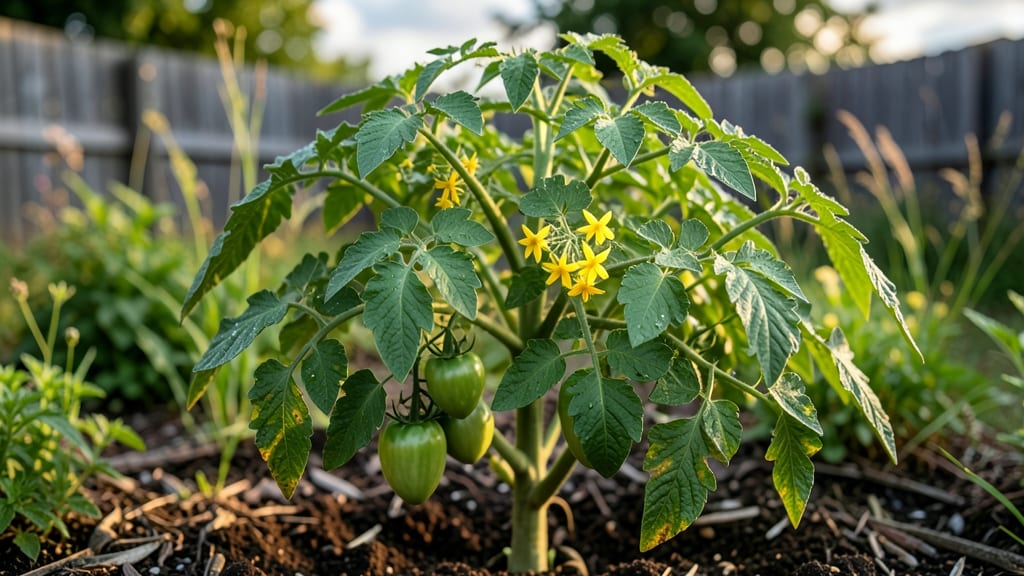
How long does it take tomato plants to mature? The answer is 60–100+ days, depending on the variety, and knowing this timeline is the key to planning a productive garden. Ever stared at your 🍅 seedlings wondering when they’ll finally bear fruit? The answer isn’t just about time—it’s about the type of tomato you’re growing.
Determinate varieties like Roma or Celebrity typically mature in 60–70 days, making them perfect for shorter growing seasons. Indeterminate types, such as Sungold cherry tomatoes or Brandywine heirlooms, take 70–100+ days to reach full maturity, but they keep producing fruit all season long.
Climate, sunlight, and even soil quality can speed up or slow down ripening. In USDA Zone 6a, where spring planting starts in April, timing is everything—too early and frost can set back growth, while too late might mean a shorter harvest window.
Below, I break down the exact days to maturity for popular varieties, share tips to optimize growth, and help you pick the fastest-maturing tomatoes for your garden. Ready to plan your harvest like a pro?


Tomato maturation timeline: days to harvest by variety type
If you're planning your garden around a fresh tomato harvest, timing is everything. Tomato varieties mature at dramatically different rates—some as fast as 50 days, while others take nearly 100 days to reach peak ripeness.
The key difference lies in whether your tomato is determinate (bush-type) or indeterminate (vining). Let's break down the exact days to harvest for popular varieties so you can plant with confidence.
Determinate tomatoes grow to a fixed size and produce fruit all at once, making them ideal for canning or quick harvests. Indeterminate varieties, on the other hand, keep growing and producing fruit until frost—perfect for continuous picking.
Below, I’ve organized the most common types by their days to maturity, including cherry, beefsteak, heirloom, and hybrid varieties, so you can choose the best fit for your growing season.
Pro Tip: Always check seed packets or plant tags for the exact days to maturity listed, as growing conditions (like sunlight and temperature) can shift your harvest window by 1-2 weeks either way.
| Variety Type | Days to Maturity | Growth Habit | Harvest Window | Best For |
|---|---|---|---|---|
| Cherry Tomatoes (e.g., 'Sweet 100', 'Sun Gold') | 55–65 days | Indeterminate | Continuous (summer-fall) | Snacking, salads, containers |
| Beefsteak (e.g., 'Brandywine', 'Cherokee Purple') | 80–90 days | Indeterminate | Mid-to-late summer | Sandwiches, slicing |
| Heirloom (e.g., 'Black Krim', 'Green Zebra') | 75–95 days | Indeterminate or determinate | Late summer | Unique flavors, preserving |
| Hybrid (e.g., 'Celebrity', 'Better Boy') | 65–85 days | Indeterminate or determinate | Mid-to-late summer | High yields, disease resistance |
| Determinate (e.g., 'Roma', 'Patio') | 60–75 days | Bush-type | All at once (late summer) | Canning, sauces, containers |
| Ultra-Fast (e.g., 'Early Girl', 'Stupice') | 50–60 days | Indeterminate or determinate | Early summer | Short seasons, impatient gardeners |
For example, if you're growing 'Sweet 100' cherry tomatoes (an indeterminate variety), you can expect your first harvest around 55–65 days after transplanting. That means if you plant them on May 1st, your first tomatoes could be ready by early July—just in time for summer salads!
On the other hand, heirloom varieties like 'Brandywine' take longer, often 80–90 days, so plan to start them indoors 6–8 weeks before your last frost date.
Determinate tomatoes, like 'Roma', are the fastest maturers in their category, often producing fruit in just 60–75 days. This makes them perfect for gardeners with shorter growing seasons or those who want a quick harvest for canning or sauces.
I’ve found that determinate varieties also handle cooler temperatures better, which can be a lifesaver if your summer is unpredictable.
Indeterminate varieties, like 'Better Boy', are the marathon runners of the tomato world. They keep producing fruit until frost, but their longer maturation time (often 70–100+ days) means you’ll need to start them indoors 8–10 weeks before your last frost.
The trade-off? A continuous supply of tomatoes from midsummer until fall—ideal for fresh eating or selling at farmers' markets.
If you're in a short-season climate, prioritize ultra-fast varieties like 'Early Girl' or 'Stupice', which mature in just 50–60 days. These are bred to thrive in cooler
Factors that speed up or delay tomato ripening (and how to control them)
Your tomato plants' maturation speed isn't just about the variety—it's a delicate balance of environmental factors and your care routine. I've learned that even the fastest-maturing cherry tomatoes can take twice as long if conditions aren't ideal.
The good news? You have direct control over many of these factors to either accelerate ripening or protect your plants from delays.
First, let's address the biggest game-changers: sunlight exposure and temperature fluctuations. Tomatoes are sun-worshippers, but they also have their limits. Too little light slows growth, while extreme heat can cause blossom drop and stalled fruit development.
I've seen 60-day varieties take 90 days when planted in partial shade, while the same plants in full sun ripened in 55 days—just by moving them to a sunnier spot.
- 1 Sunlight Exposure: 6+ hours of direct sun daily is non-negotiable. Less light = slower photosynthesis = delayed ripening. Use reflective mulch to maximize light penetration in shaded areas.
- 2 Soil Temperature: Keep roots above 60°F (15°C). Cold soil stalls root activity and nutrient uptake. Use black plastic mulch to warm soil faster in spring.
- 3 Watering Technique: Deep watering 1-2x weekly (not daily light sprinkles) prevents blossom end rot and maintains steady fruit growth. Water at soil level, not leaves, to avoid fungal diseases.
- 4 Pruning Strategy: Remove suckers (side shoots) on indeterminate varieties to direct energy to fruit production. Over-pruning determinate types can reduce yield—stick to removing only diseased leaves.
- 5 Nutrient Balance: Too much nitrogen = leafy growth, no fruit. Use 5-10-10 fertilizer and switch to low-nitrogen, high-phosphorus when flowers appear to boost ripening.
I'll never forget my first year growing heirloom tomatoes—they took nearly 100 days to ripen because I was overwatering them. The plants looked healthy, but the fruit stayed green.
After switching to deep watering every other day and adding a mulch layer, those same plants produced ripe tomatoes in 85 days the next season. The key was understanding that consistent moisture (not excess) prevents stress that delays ripening.
Another critical factor is temperature management. Tomatoes thrive in 70-85°F (21-29°C) daytime temps. When summer heat hits 90°F (32°C)+, they go into survival mode, dropping flowers and slowing fruit set. My solution?
I now use shade cloth (30-50%) during peak afternoon heat and water deeply in the morning to cool the soil. This simple adjustment can shave 10-15 days off your ripening timeline.
Don't underestimate the power of soil quality either. Compacted or nutrient-poor soil forces plants to work harder just to survive. I always amend my garden beds with compost and aged manure before planting.
Last season, my beefsteak tomatoes (normally 85-day varieties) ripened in 78 days because their roots had access to organic matter that improved moisture retention and nutrient availability.
For container growers, pot size matters. Small pots (under 5 gallons) restrict root growth, which directly impacts how quickly your tomatoes mature. I upgraded my indeterminate varieties to 7-gallon fabric pots last year, and my Sungold cherry tomatoes (normally 60 days) ripened in 52 days.
The extra root space gave them the energy to produce fruit faster.
Remember: consistency is key. Whether it's your watering schedule, pruning routine, or fertilizer applications, tomatoes respond best to predictable care. When I first started gardening, I thought more was better—more water, more fertilizer, more everything.
But it's the balanced approach that gets you the fastest, healthiest harvest. Start with these adjustments, and you'll see your tomatoes ripening 2-3 weeks faster than ever before. 🌱☀️✂️