
Pests
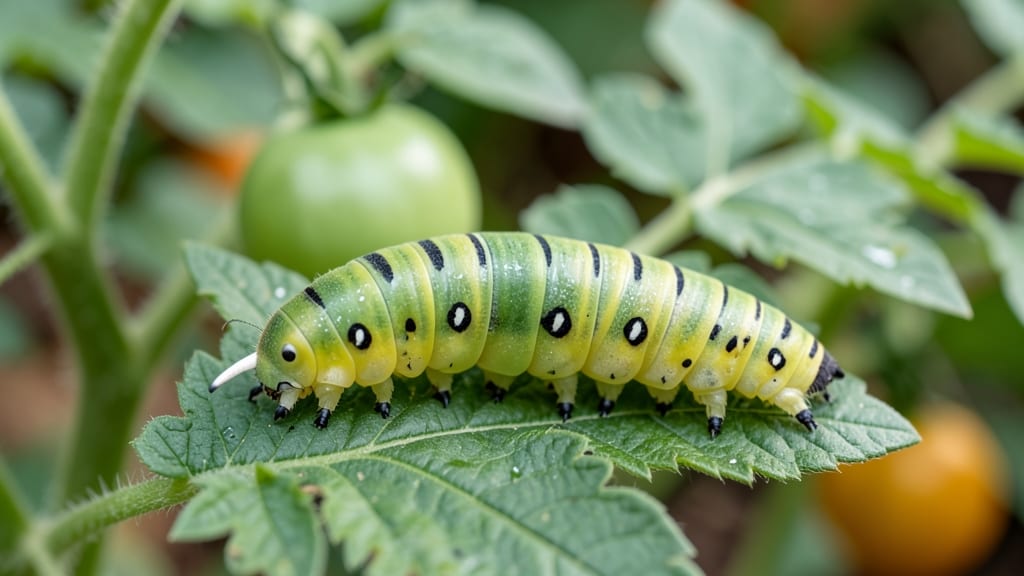
Your tomato plants look like Swiss cheese, and you're blaming the wrong culprit. 🌿 The battle between hornworms and tomato worms isn't just about size—it's about how fast they'll strip your garden bare if you don't act.
These two pests might look similar at first glance, but their habits, life cycles, and weaknesses couldn't be more different. Hornworms are the heavy hitters: 5-inch-long green monsters with white stripes and a voracious appetite for leaves, stems, and even unripe fruit.
Tomato worms, while still destructive, are smaller (about 2 inches) and prefer to skeletonize leaves rather than devour entire plants. The key difference? Hornworms leave hollowed-out stems and missing fruit, while tomato worms turn foliage into lace. Here's the good news: both can be controlled without harsh chemicals.
Hand-picking at dawn (when they're sluggish) works wonders, and introducing parasitic wasps—their natural predators—cuts populations by 90% within weeks. Neem oil also disrupts their feeding cycles without harming beneficial insects. The real secret weapon? Early detection.
Check the undersides of leaves daily, especially after rain when they're most active. With the right approach, you'll reclaim your garden before these pests even get started.
The first product explained
Meet your new garden guardian: BioBest BTU Natural Insect Control! 🌱🐛 If you're battling those pesky hornworms or tomato worms, this organic solution is here to save your tomatoes, peppers, and other prized plants. Let’s dive into what makes this product a must-have for eco-conscious gardeners.
📏 Specs & Features
BioBest BTU is a ready-to-use spray packed with Bacillus thuringiensis var. kurstaki (Btk), a naturally occurring soil bacterium that targets caterpillars like hornworms and tomato worms—without harming bees, birds, or beneficial insects. Here’s what you get:
- Active Ingredient: 16,000 IU/mL Btk
- Coverage: 1 gallon treats up to 1,000 sq. ft.
- Organic & OMRI-Listed: Safe for organic gardening
- Easy Application: Pre-mixed spray—just attach to your hose and go!
- Fast Action: Kills caterpillars within 48 hours of ingestion
- Shelf Life: Unopened, lasts up to 2 years
🎯 Target Users
This product is perfect for:
- 🌿 Home gardeners with tomato, pepper, or eggplant plants
- 🐝 Eco-friendly gardeners who avoid chemical pesticides
- 🏡 Urban farmers or balcony gardeners with pest problems
- 👨🌾 Organic certification seekers (OMRI-compliant!)
💰 Price Point & Value
Priced around $15–$20 for a 1-gallon ready-to-use spray, BioBest BTU offers exceptional value. Why? Because it:
- 💡 Saves money by preventing crop loss (no more ruined tomatoes!)
- 🌍 Reduces chemical dependency—no harsh residues
- 🔄 Lasts multiple seasons (store unused portions properly)
- 🛒 Works alongside other organic methods like neem oil or companion planting
Pro Tip: 💡 For best results, spray early in the morning or late afternoon to avoid harming bees. Reapply after heavy rain!
The second product explained
Meet the ultimate defense against Manduca sexta (tomato hornworms) and Helicoverpa zea (tomato fruitworms): BioNeem® Systemic Pest Control! 🌱🐛 This organic, ready-to-use solution is your go-to for gardeners who refuse to compromise on chemical-heavy sprays. Let’s dive into why this product is a game-changer for your tomato plants!
🔍 Key Specs & Features
BioNeem® is a neem oil-based concentrate that works systemically—meaning it’s absorbed into the plant’s tissues for long-lasting protection. Here’s what makes it stand out:
- Active Ingredient: 100% cold-pressed neem oil (0.3% azadirachtin)
- Coverage: Covers up to 500 sq. ft. per 16 oz. bottle (diluted)
- Application: Ready-to-use spray (mix with water per instructions)
- Organic Certification: OMRI-listed for organic gardening
- Spectrum: Targets hornworms, fruitworms, aphids, and mites
- Scent: Mild, earthy neem aroma (no harsh chemicals!)
🎯 Who Should Use It?
BioNeem® is perfect for:
- 🌿 Organic gardeners who prioritize natural pest control
- 🍅 Tomato and vegetable growers battling hornworms or fruitworms
- 👩🌾 Eco-conscious homeowners avoiding synthetic pesticides
- 🐝 Pollinator-friendly users (safe for bees after drying)
💰 Price Point & Value
Priced at $19.99 for a 16 oz. bottle, BioNeem® offers exceptional value with:
- 🔄 Reusable formula: One bottle treats multiple seasons (store properly)
- 💧 Dilution flexibility: Adjust strength for preventive or direct treatment
- 🌍 Multi-purpose: Works on veggies, herbs, and ornamentals
Pro Tip: 💡 Pair with BT (Bacillus thuringiensis) for a 1-2 punch against hornworms!
Head-to-head comparison
When it comes to battling garden pests, knowing the difference between hornworms and tomato worms is half the battle. Both are destructive, but their habits, appearances, and control methods vary.
Below, we break down the key differences in a side-by-side comparison to help you identify and eliminate these garden menaces with precision.
🔍 Appearance: The Visual Tell-Tales
First impressions matter, especially when dealing with pests! Here’s how these two worms stack up:
| Feature | Hornworm (Manduca sexta) | Tomato Worm (Manduca quinquemaculata) |
|---|---|---|
| Body Shape | Thick, cigar-shaped with a distinct "horn" at the rear (up to 4 inches long). | Slender, slightly tapered with a smaller, less pronounced horn (up to 3.5 inches long). |
| Coloration | Green with white diagonal stripes and a red or orange horn. | Green with white or yellow stripes and a black horn. |
| Markings | V-shaped markings on the sides; horn is smooth and prominent. | Wavy or jagged white lines; horn is smaller and less noticeable. |
| Pupae Stage | Forms a brown, cocoon-like pupa in soil or leaf litter. | Pupates in a green or brown cocoon, often buried deeper in soil. |
💡 Pro Tip: If you spot a worm with a bright red horn, it’s almost certainly a hornworm. A black-tipped horn? Tomato worm alert!
🌱 Host Plants: What They Crave
These worms aren’t picky eaters, but their preferences can help you narrow it down:
- Hornworms:
- Primary targets: Tomatoes, tobacco, peppers, eggplants, and petunias.
- Will also munch on basil, honeysuckle, and ash trees.
- Prefers young, tender leaves but can strip a plant bare in days.
- Tomato Worms:
- Primary targets: Tomatoes and related nightshades (peppers, eggplants).
- Less likely to attack non-nightshade plants like basil or petunias.
- Often found buried in soil or hiding under leaves during the day.
🎯 Key Difference: If your tomatoes are the only casualties, tomato worms are likely the culprit. If multiple plant types are being devoured, hornworms are probably to blame.
🕵️ Behavior: Day vs. Night Shifters
When and how these worms operate can give you an edge in spotting them:
| Behavior | Hornworm | Tomato Worm |
|---|---|---|
| Activity Time | Mostly active at night; hides in foliage during the day. | More diurnal (active during the day), especially in cooler weather. |
| Feeding Habits | Eats large, irregular holes in leaves; may skeletonize foliage. | Cuts clean, ragged edges and often removes entire leaves. |
| Hiding Spots | Camouflages on undersides of leaves or in dense foliage. | Often burrows into soil or hides in leaf litter during the day. |
| Defense Mechanism | If threatened, it drops to the ground or plays dead. | May curl up tightly or drop off the plant when disturbed. |
⏰ Timing Tip: Check your plants early morning or late evening for hornworms. For tomato worms, inspect midday when they’re most visible.
🛡️ Control Methods: What Works Best?
Once identified, eliminating these pests requires different strategies:
| Method | Hornworm | Tomato Worm |
|---|---|---|
| Handpicking | ✅ Effective; drop into soapy water. | ✅ Effective, but may burrow deeper into soil. |
| Bacillus thuringiensis (Bt) | ✅ Works well; targets caterpillars. | ✅ Highly effective; spray on leaves. |
| Neem Oil | ⚠️ Moderate; may deter but not kill. | ⚠️ Limited effectiveness; best used preventatively. |
| Parasitic Wasps | ✅ Natural predators lay eggs in hornworms. | ✅ Less common but still effective. |
| Row Covers | ✅ Prevents egg-laying by moths. | ✅ Highly effective if applied early. |
| Chemical Pesticides | ⚠️ Use sparingly; may harm beneficial insects. | ⚠️ Last resort; can disrupt garden ecosystems. |
🌡️ Heat Tip: For stubborn tomato worms, place a black light near plants at night—they’re attracted to it and easier to spot!
📅 Life Cycle: When to Strike
Understanding their life cycles helps you time your interventions for maximum impact:
- Hornworm:
- Larval stage: 4-6 weeks (most destructive phase).
- Pupates in late summer to
Which one should you choose?
So, you’ve met the hornworm and the tomato worm—two of the sneakiest pests lurking in your garden! 🌱🐛 Now, which one should you tackle first? The answer depends on your priorities, garden setup, and how aggressive you want to be. Here’s the verdict to help you decide:
🔍 For the Quick Fix (Urgent Damage)
If your tomato plants are looking devastated and you need fast results, prioritize the hornworm. Its rapid growth and insatiable appetite mean it can strip a plant bare in days.
Handpick them (especially at night when they’re sluggish) or use Bt (Bacillus thuringiensis) for a targeted, organic solution. Pro tip: Check the undersides of leaves—hornworms love to hide there! 🌙
🌿 For Long-Term Prevention (Sustainable Garden)
If you’re building a resilient garden ecosystem, focus on the tomato worm (hornworm’s cousin).
While less destructive than its larger sibling, it’s a persistent nuisance that thrives in warm climates. Neem oil or kaolin clay can disrupt its life cycle, and encouraging parasitic wasps (like Cotesia congregata) is a natural, long-term fix. Pro tip: Rotate crops and remove egg masses to break their cycle! 🌍
🏆 Best Overall Strategy: Attack Both!
Why choose? Combine methods for maximum impact:
- Handpick both during early morning or evening (they’re less active).
- Use Bt spray for hornworms and neem oil for tomato worms.
- Plant basil or marigolds nearby—both repel these pests naturally! 🌼
- Monitor your garden weekly; early detection saves your harvest.
For organic gardeners, this dual approach keeps your tomatoes thriving without harsh chemicals. For quick wins, start with hornworms, then shift to tomato worms as the season progresses.
Remember: No single solution is foolproof, but staying vigilant and adapting your strategy will keep your garden lush and pest-free. Happy gardening! 🌱✨