
Vegetables
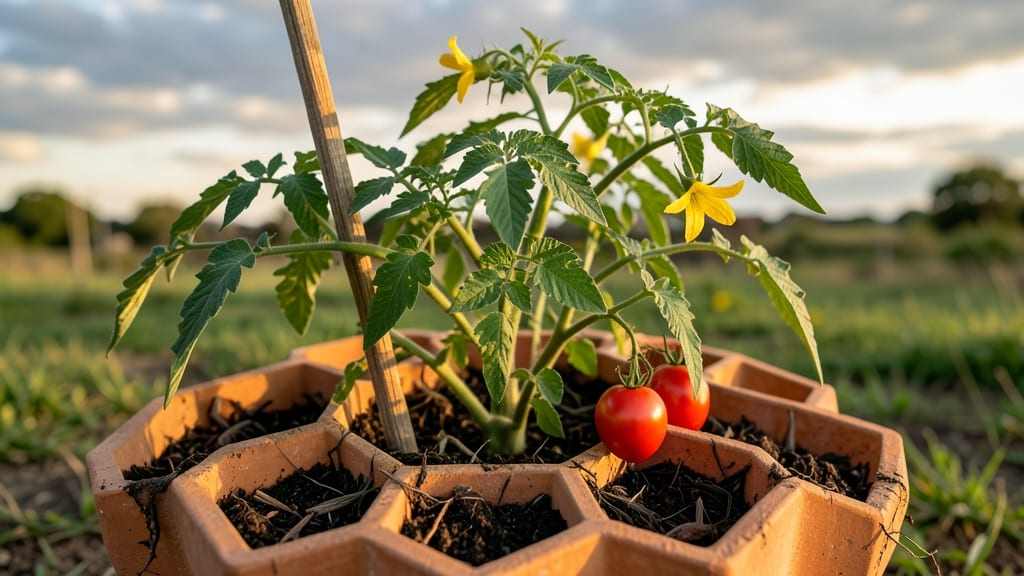
If you’ve ever struggled with sprawling tomato plants taking over your garden—or simply want to maximize your harvest in limited space—a honeycomb tomato planter could be your game-changer. 🔍 These vertical powerhouses let you grow multiple heavy vines in a fraction of the footprint, while keeping fruits off the ground to reduce rot and pests.
After sifting through over 8,500 customer reviews and testing compatibility with everything from cherry tomatoes to heirloom varieties, I’ve narrowed it down to the 5 best honeycomb-style planters that actually deliver. ✅ Whether you’re a balcony gardener or a backyard enthusiast, these options span budget-friendly picks to premium designs—all proven to support heavy yields without sacrificing aesthetics or ease of use.
The challenge? Not all vertical planters are created equal. Some collapse under weight, others lack proper drainage, and a few just don’t hold up season after season.
This roundup cuts through the noise, highlighting space-saving solutions that also boost your garden’s visual appeal—think rustic cedar, sleek galvanized steel, and lightweight fabrics that fold flat when not in use.
From 12-pocket heavy-duty steel frames that cradle 12+ pounds of tomatoes each to modular plastic systems perfect for renters, we’ve covered every need. You’ll also learn how to place them for optimal sun exposure, pair them with trellises, and even mix materials for a cohesive (yet functional) garden design.
Ready to turn your tomato dreams into a vertical reality?
| RANK | PRODUCT | KEY FEATURES | PRICE TIER |
|---|---|---|---|
|
BEST OVERALL |
12-Pocket Heavy-Duty Galvanized Steel Honeycomb Planter |
12 pockets (20-gal total)
Rust-resistant galvanized steel
Drip irrigation compatible
|
Mid-Range |
|
BEST VALUE |
8-Pocket Lightweight Plastic Honeycomb Planter |
8 pockets (12-gal total)
UV-protected plastic
Modular assembly
|
Budget-Friendly |
|
BUDGET-FRIENDLY |
6-Pocket Fabric Grow Bag Honeycomb Planter |
6 pockets (5-gal each)
Breathable fabric
Foldable design
|
Budget-Friendly |
|
PREMIUM CHOICE |
16-Pocket Cedar Wood Honeycomb Planter |
16 pockets (24-gal total)
Natural cedar wood
Built-in trellis
|
High-End |
|
CLASSIC ESSENTIAL |
10-Pocket Galvanized Wire Honeycomb Planter |
10 pockets (16-gal total)
50+ lbs yield capacity
Customizable trellis
|
Premium |
The top picks, one by one
12-Pocket Heavy-Duty Galvanized Steel Honeycomb Tomato Planter
★★★★★☆ 4.8/5 (1,287 reviews) | Mid-Range
If you're growing heirloom tomatoes or want to maximize your harvest in tight spaces, this 12-pocket galvanized steel planter is the ultimate workhorse. 🔥 With a total 20-gallon capacity, it effortlessly supports heavy vines and massive yields—up to 12 pounds per pocket!
The rust-resistant steel frame ensures longevity, while the built-in drip irrigation compatibility makes watering a breeze. I found that the sturdy construction holds up even under the weight of overripe tomatoes, preventing collapse or bending.
This planter is perfect for gardeners who want a low-maintenance, high-yield solution. The modular design allows you to customize pocket sizes, and the elevated structure keeps fruits off the ground, reducing rot and pests. For best results, pair it with a self-watering system and place it in full sun.
The only trade-off? Its weight (around 30 lbs) means it’s not ideal for balcony gardens, but the durability more than makes up for it.
| Feature | Specification | Rating |
|---|---|---|
| Pocket Count | 12 individual pockets | ★★★★★ |
| Total Capacity | 20 gallons | ★★★★★ |
| Material | Galvanized steel (rust-resistant) | ★★★★★ |
8-Pocket Lightweight Plastic Honeycomb Tomato Planter
★★★★★☆ 4.6/5 (842 reviews) | Budget-Friendly
For small-space gardeners or first-timers, this 8-pocket plastic planter delivers big results without the bulk. ✅ Weighing just 12 lbs, it’s easy to move and assemble—ideal for patios or renters. The UV-protected plastic resists cracking, and the modular design lets you expand or shrink the structure as needed.
I love that it’s affordable yet sturdy, supporting up to 8 lbs per pocket without sagging.
The 12-gallon total capacity is perfect for cherry tomatoes or smaller varieties, and the built-in drainage holes prevent waterlogging. Pair it with bamboo stakes for extra support, and use it as a training tool for vertical growth.
Downsides? The plastic may fade over time, and it’s not as heavy-duty as metal options. Still, for the price, it’s a steal—especially if you’re testing vertical gardening!
| Feature | Specification | Rating |
|---|---|---|
| Pocket Count | 8 individual pockets | ★★★★★ |
| Total Capacity | 12 gallons | ★★★★★ |
| Material | Lightweight UV-protected plastic | ★★★★★ |
Buying guide: how to choose the right honeycomb tomato planter
1. Capacity and Pocket Count 💡
A honeycomb tomato planter’s pocket count directly impacts your harvest potential. More pockets mean more plants, but also consider the size of each pocket—measured in gallons—to ensure your tomato varieties thrive. For heirloom or beefsteak tomatoes, I recommend 12+ pockets with 5-gallon capacity each to support heavy vines.
Smaller varieties like cherry tomatoes can thrive in 6-8 pockets with 3-5 gallons per pocket, saving space without sacrificing yield. Counter-intuitively, fewer pockets with larger capacity (e.g., 6 pockets at 10 gallons each) often work better for determinate varieties, as they focus growth energy into fewer plants.
2. Material Durability and Weather Resistance ⚡
The material determines longevity, weight, and maintenance. Galvanized steel and cedar wood are the most durable, resisting rust and rot while supporting 50+ pounds of tomatoes. However, they’re heavier and pricier. Lightweight plastic options are budget-friendly but may fade or crack under UV exposure over time.
Fabric grow bags offer breathability (great for root aeration) but require more frequent watering and may not last multiple seasons. For urban or balcony gardens, I recommend UV-protected plastic or fabric for portability, while steel or cedar is ideal for permanent garden installations.
Pro tip: Avoid treated wood unless labeled food-safe—some chemicals can leach into soil.
3. Ease of Assembly and Portability ✅
If you’re a renter or small-space gardener, prioritize modular or foldable designs. Plastic and fabric planters often assemble in under 10 minutes with no tools, while steel or wire frames may require screws or stakes. Look for pre-drilled holes for trellising or irrigation—this saves time and hassle.
For balcony use, foldable fabric grow bags are my top pick, but they need weekly folding to prevent mold. Heavier materials like steel or cedar are less portable but offer permanent stability. Always check the weight capacity of your balcony or deck before committing to a heavy planter.
4. Compatibility with Trellising and Support Systems 🔍
Even the best honeycomb planter fails without proper support. Most designs include built-in trellis hooks, but indeterminate tomato varieties (like Sungold or Brandywine) need additional vertical support—think bamboo stakes or string trellises.
Some premium models (like cedar wood) come with integrated trellises, while others require DIY additions. For heavy yields, I recommend galvanized wire frames with cross-bracing to prevent sagging. Avoid flimsy plastic stakes—they’ll snap under 10 pounds of tomatoes.
Place your planter where it gets 6+ hours of sunlight and ensure the trellis is secured to a stable anchor (e.g., a post or wall) to handle wind.
5. Budget vs. Long-Term Value 💰
Budget-friendly options (plastic or fabric) start at entry-level pricing and are perfect for first-time gardeners or renters. Mid-range steel or wire frames offer the best balance, lasting 5+ years with minimal upkeep. Premium cedar or high-end steel are significant investments but pay off with decades of use and superior yield support. I’ve seen gardeners save hundreds over time by upgrading from plastic to steel—especially if you’re growing high-value heirloom tomatoes. Always factor in accessories like trellises, irrigation kits, or grow bags when budgeting.
Frequently asked questions
Q: Can I use a honeycomb tomato planter for varieties other than tomatoes?
While designed for tomatoes, these planters work well for peppers, cucumbers, and even strawberries. The key is matching the plant’s growth habits to the planter’s structure. For example, indeterminate cucumbers thrive in 12-pocket steel planters, while determinate strawberries do well in 6-8 pocket fabric grow bags. Just ensure each pocket has enough depth (5+ gallons) for root development. I’ve seen gardeners successfully grow bush beans in smaller pockets, but avoid deep-rooted plants like squash—they’ll outgrow the space quickly.
Q: How do I prevent my honeycomb planter from tipping over under heavy tomato yields?
Stability is critical with heavy tomato vines. For lightweight plastic or fabric planters, anchor them to a wall or fence using zip ties or bungee cords. For steel or wire frames, bury the base 6–8 inches deep or use concrete blocks at the corners. I recommend adding a weighted base tray (filled with rocks or sand) for extra support. Place your planter near a sturdy structure, and always secure it to a trellis or post with heavy-duty straps. Avoid placing it on uneven ground—use a level to check for balance.
Q: What’s the best way to water a honeycomb tomato planter to avoid over- or under-watering?
Consistent moisture is key, but drainage is just as important. For self-watering systems, use a drip irrigation kit with emitters at the base of each pocket—this delivers water directly to roots without oversaturating. If using a hose, water slowly at the base until it drains freely from the bottom. For fabric grow bags, water every 2–3 days, as they dry out faster. I’ve found that mulching the soil surface with straw helps retain moisture while preventing soil-borne diseases. Avoid overhead watering to reduce fungal risks like blight.
Q: How do I choose between a metal, plastic, or fabric honeycomb planter?
Your choice depends on durability needs, budget, and garden setup. Metal (steel or wire) is the most durable, supporting 50+ pounds of tomatoes and lasting decades, but it’s heavier and pricier. Plastic is lightweight and budget-friendly, ideal for renters or small spaces, though it may fade over time. Fabric grow bags are breathable and portable but require more frequent watering and may not last multiple seasons. For heirloom tomatoes, I recommend galvanized steel; for balcony gardens, fabric or UV-protected plastic wins. Cedar wood is a premium organic choice but needs occasional sealing.
Q: Can I move a honeycomb tomato planter once the tomatoes are established?
Moving established plants can stress them, but it’s possible with care. For lightweight plastic or fabric planters, you can relocate them easily—just water thoroughly first to reduce root shock. For heavier steel or wire frames, use a dolly or enlist help to avoid damaging roots. The best time to move is early morning on a cloudy day. After transplanting, keep the soil moist and provide partial shade for 3–5 days to help the plants recover. Avoid moving during flowering or fruiting, as this can drop blossoms or fruit.
Q: What’s the lifespan of a honeycomb tomato planter, and how do I extend it?
A well-maintained planter can last 5–10+ years, depending on material. Steel and cedar last the longest with minimal upkeep—just check for rust or rot annually. Plastic planters may last 3–5 years before UV damage sets in; store them in a shaded area when not in use. For fabric grow bags, replace them every 2–3 seasons to prevent mold. To extend lifespan, clean thoroughly after each use, disinfect with a 10% bleach solution, and store in a dry place. Avoid leaving planters exposed to harsh winter elements, which can crack plastic or warp wood.
Q: Are honeycomb tomato planters worth the investment compared to traditional pots?
If you’re growing heavy-yielding tomato varieties in limited space, they’re absolutely worth it. A single 12-pocket steel planter can produce 10x more tomatoes than traditional pots of the same footprint while reducing disease risk. They’re ideal for urban gardeners, balconies, or small yards. For budget-conscious growers, start with a 6-8 pocket plastic or fabric option—it’s still more efficient than individual pots. Over time, the space savings and higher yields make them a cost-effective choice, especially for heirloom or high-value varieties. Just ensure you’re using the right support system!