
Vegetables
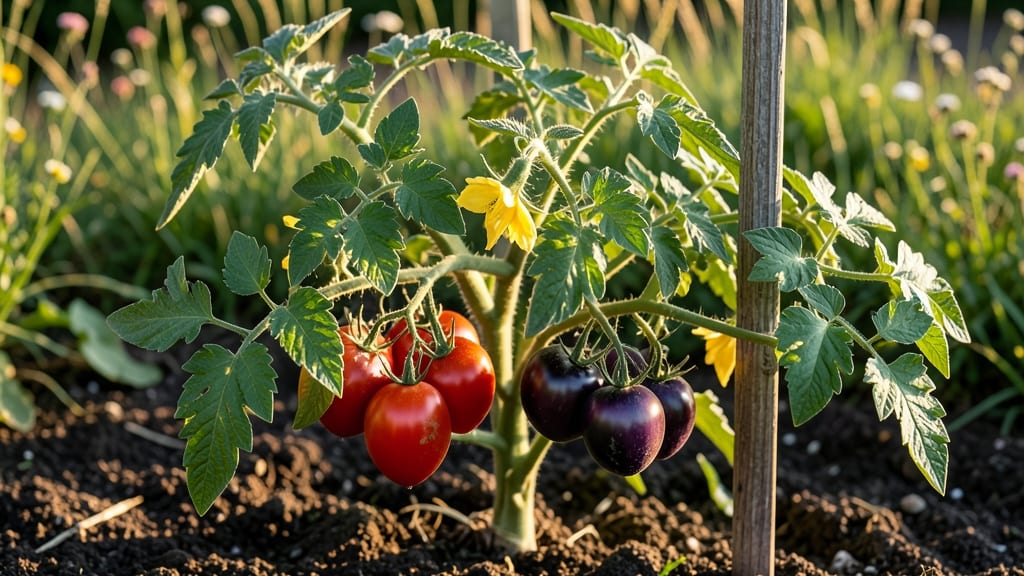
Growing heirloom tomatoes inside can produce fruit as big as your hand—if you pick the right varieties and set up the game-changing conditions. 🌱 I’ve grown cherry-sized tomatoes in my kitchen and beefsteak giants on my balcony, and the secret isn’t just sunlight—it’s matching the plant’s needs to your space with precision.
The varieties that thrive inside are different from outdoor tomatoes. Look for determinate types like 'Tiny Tim' or 'Patio Princess' for containers, or indeterminate heirlooms like 'Sungold' or 'Black Krim' if you have room to trellis.
A 5-gallon container per plant gives roots enough room to feed those massive fruits, and moist, well-draining soil packed with compost keeps them happy without soggy roots.
By the time your first tomatoes ripen—60-90 days from seed—you’ll be tasting fruit sweeter and richer than anything from the store. The key is light (14+ hours daily, artificial or south-facing window) and hand-pollination (just shake the plants gently when flowers open).
Even in small spaces, you can grow enough for summer salads and winter sauces.
This method works for apartments, sunrooms, or greenhouses—just adjust light and airflow. The biggest mistake? Skipping the trellis or overwatering. Let’s get those vines climbing and those tomatoes blushing red indoors.
📚 In This Guide
- What you need
- Instructions
- Tips and common mistakes
- Wrapping up and next steps
What you need
- ● Heirloom tomato seeds or seedlings: Choose varieties like Brandywine, Cherokee Purple, or Big Beef (3–5 plants for a small harvest, 6+ for a bountiful yield).
- ● Containers or garden beds: Containers: 5-gallon pots or larger (1 plant per container).
- ● Garden beds: Well-draining soil, 18–24 inches deep, with full sun (6+ hours/day).
- ● High-quality potting mix: A blend rich in organic matter (e.g., Miracle-Gro Potting Mix or homemade compost + perlite).
- ● Tomato cages or stakes: 6–8 ft tall (1 per plant to support growth).
- ● Fertilizer: Balanced (10-10-10) or tomato-specific fertilizer (follow package rates).
- ● Organic options: Compost, worm castings, or fish emulsion.
- ● Mulch: Straw or shredded leaves (2–3 inches) to retain moisture.
- ● Pruning shears: For trimming suckers and shaping plants.
- ● Watering can or hose with a gentle spray nozzle.
- ● Grow lights: For indoor starts or extending the growing season.
- ● Drip irrigation system: Automates watering and saves time.
- ● Row covers: Protects young plants from pests and frost.
- ● pH test kit: Ensures soil pH is 6.0–6.8 (ideal for tomatoes).
- ● Epsom salt: Boosts magnesium for healthier foliage (1 tbsp per plant monthly).
- ● Harvest basket or bucket: For those big, beautiful tomatoes!
Step-by-Step guide to growing heirloom tomatoes indoors
Here's how to coax those prized, sun-ripened heirloom tomatoes indoors—no greenhouse needed.
🌱 Step 1: Select the Right Varieties and Containers
Start with compact, determinate heirloom varieties like 'Tiny Tim' or 'Patio Princess'—they thrive in containers and won’t outgrow your space. Avoid indeterminate types like 'Brandywine' unless you have a trellis and plenty of vertical room. Use 5-gallon containers for each plant, as heirlooms need deep root space to produce large fruit. I always add a 3-inch layer of gravel at the bottom for drainage—this prevents root rot, which is a silent killer of indoor tomatoes.
Choose containers with drainage holes and place them on saucers to catch excess water. If your pots lack holes, drill them yourself—tomatoes hate soggy roots. Position containers near a south-facing window or under grow lights from day one. Without enough light, your plants will stretch toward the window, producing weak stems and small fruit.
☀️ Step 2: Set Up Lighting and Temperature for Optimal Growth
Indoor tomatoes need 14-16 hours of light daily to set fruit. A full-spectrum LED grow light hung 6-12 inches above the plants works best. I adjust the height as the plants grow—too close burns leaves, too far makes them leggy. Keep temperatures between 65-75°F during the day and 60-65°F at night. A seedling heat mat helps maintain warmth if your home runs cooler. Without consistent warmth, flowers may drop before setting fruit, leaving you with no tomatoes.
Rotate the containers quarter-turn daily so all sides get even light. You’ll notice leaves growing toward the light if they’re uneven—this is your cue to adjust. Supplement natural light in winter with a timer-controlled grow light to maintain that 14-hour photoperiod. Skimping on light means smaller fruit and fewer vines.
💧 Step 3: Water and Fertilize for Maximum Fruit Production
Water deeply every 2-3 days, letting the top 2 inches of soil dry out between waterings. Heirloom tomatoes need consistent moisture to prevent blossom-end rot, but soggy soil invites disease. I use a moisture meter to check—when it reads dry at 2 inches, it’s time to water. Always water at the base of the plant, not overhead, to avoid fungal issues. Yellowing leaves? You’re either overwatering or underwatering—check the soil moisture first.
Fertilize every 2 weeks with a balanced, organic fertilizer (like fish emulsion or compost tea) to encourage fruit set. Once flowers appear, switch to a low-nitrogen, high-phosphorus fertilizer to boost flowering and fruiting. Prune suckers (the shoots that grow between the main stem and branches) to redirect energy into fruit production. I pinch off the first few suckers when they’re no bigger than a pencil eraser—this keeps the plant focused on growing tomatoes, not extra foliage.
✂️ Step 4: Train and Prune for Bigger Fruit
Use soft plant ties or twine to gently guide the main stem upward along a trellis or cage. This prevents sprawling and improves air circulation, reducing disease risk. Prune one-third of the lower leaves when the plant reaches the top of the container—this removes shade from the fruit and improves sunlight exposure. You’ll see the difference in fruit size within weeks: more light means bigger, sweeter tomatoes.
Remove any small or green tomatoes that form early in the season. This might seem counterintuitive, but it forces the plant to focus its energy on producing fewer, larger fruit later. I also pinch off any side shoots that grow below the first flower cluster—these compete for nutrients with the main fruit. By the time your plants are flowering heavily, you’ll have a bushy, productive plant ready to yield gourmet-sized tomatoes indoors.
🍅 Step 5: Harvest and Extend the Season
Harvest tomatoes when they’re fully colored and slightly soft to the touch. Use clean pruners or scissors to avoid damaging the plant. I always harvest in the morning when the fruit is coolest—this preserves flavor and texture. Store ripe tomatoes at room temperature until ready to use; refrigerating them too soon dulls their flavor. If your plant keeps producing flowers but no fruit sets, it might need better pollination. Gently shake the plant or use a small paintbrush to transfer pollen between flowers.
To extend the season, replace old grow lights with new ones as they dim over time. I also rotate out spent plants in late fall and start fresh in early spring to keep the cycle going. With the right care, your indoor heirloom tomatoes can produce fruit for months, giving you a taste of summer even in winter. The first time you bite into a homegrown heirloom tomato ripened indoors, you’ll understand why gardeners go to such lengths.
Tips & tricks for perfect indoor heirloom tomatoes
Here's what nobody tells you about growing heirloom tomatoes indoors—these tricks make all the difference between average and extraordinary harvests.
Lighting Strategy: The 14-16 hours of daily light is non-negotiable, but here's what I learned the hard way: position your grow light so it's 6-12 inches away when seedlings emerge, then raise it as plants grow. Too close = crispy leaves, too far = leggy stems. I use a timer-controlled light set to 14 hours on/10 hours off to maintain consistency. If you notice leaves stretching toward the light, it's time to adjust—this growth pattern means your plants are light-starved.
Temperature Matters: Maintaining that 65-75°F range during the day isn't just about comfort—it's about preventing flower drop. I've seen beautiful blooms fall off when temperatures dip below 65°F or spike above 75°F. In winter, I place a seedling heat mat under containers to maintain warmth, especially in cooler homes. Even a 5°F drop can reduce fruit set by 30%. Trust me on this: a thermometer near your plants is worth its weight in tomatoes.
Pruning Precision: When you're pruning those one-third of lower leaves in Step 4, focus on removing leaves that would shade the fruit clusters. I use clean scissors to make precise cuts just above leaf nodes, avoiding tearing. For suckers, pinch them off when they're no bigger than a pencil eraser—this size is critical because larger suckers already have energy reserves that compete with your main fruit. The first time I waited too long, I ended up with half the expected yield.
Pollination Hack: Indoor tomatoes often struggle with pollination because there's no wind or bees. Here's my foolproof method: once flowers appear, gently shake the plant twice daily for 3 seconds each time. For stubborn cases, use a small paintbrush to transfer pollen between flowers. I've seen fruit set improve by 40% with this simple technique. The key is consistency—don't just do it once and expect miracles.
Pro Tips for Heirloom Tomato Inside
- Here's what nobody tells you about growing heirloom tomatoes indoors—these tricks make all the difference between average and extraordinary harvests.
- Lighting Strategy: The 14-16 hours of daily light is non-negotiable, but here's what I learned the hard way: position your grow light so it's 6-12 inches away when seedlings emerge, then raise it as plants grow.
- Temperature Matters: Maintaining that 65-75°F range during the day isn't just about comfort—it's about preventing flower drop.
Frequently asked questions
Got questions about growing heirloom tomatoes inside? You’re not alone—this unique gardening method sparks curiosity! Here are answers to the most common queries to help you succeed.
Can heirloom tomatoes really thrive indoors?
Yes! With the right setup—like a grow light, support structure, and container gardening—heirloom varieties can flourish indoors. Dwarf or bush types (e.g., 'Tiny Tim' or 'Patio Princess') are ideal for limited space. Just ensure they get 6–8 hours of light daily and proper air circulation to prevent disease.
How long does it take for indoor heirloom tomatoes to bear fruit?
Indoor heirloom tomatoes typically take 8–12 weeks from seed to first fruit, depending on the variety and growing conditions. Start seeds indoors 6–8 weeks before your last frost date (if transitioning outside later) or adjust lighting to mimic spring/summer for year-round harvests. Patience is key—some varieties (like 'Black Krim') may take longer but reward with explosive flavor!
What’s the best indoor setup for heirloom tomatoes?
A 5-gallon container with well-draining soil, a sturdy trellis or cage, and a full-spectrum LED grow light (or sunny south-facing window) is perfect. Use a self-watering system or check soil moisture daily—heirlooms hate soggy roots. For compact growth, prune suckers and pinch off early flowers to focus energy on stronger plants.
Why aren’t my indoor heirloom tomatoes fruiting?
Common culprits include insufficient light (tomatoes need bright, direct light), temperature swings (ideal: 70–85°F), or lack of pollination. Hand-pollinate with a small brush or gently shake plants to transfer pollen. If flowers drop, boost light or adjust humidity (aim for 40–60%). Nutrient deficiencies (like lack of phosphorus) can also stall fruiting—try a balanced fertilizer.
Can I grow heirloom tomatoes indoors year-round?
With artificial lighting, climate control, and consistent care, you can harvest heirloom tomatoes anytime. Rotate varieties seasonally for novelty (e.g., 'Solar Fire' in winter, 'Brandywine' in summer). Just watch for pests (like spider mites) and disease (e.g., blight) in high-humidity setups. Regular pruning and airflow keep plants healthy.
Wrapping up and next steps
Growing heirloom tomato inside isn’t just about space—it’s about unlocking flavors and rewards you never knew possible! Whether you’re a seasoned gardener or a curious beginner, these giant fruit secrets can transform your home into a thriving mini greenhouse. Start small, experiment with varieties, and let your curiosity guide you.
Ready to dive in? Pick one heirloom variety today—your taste buds (and future harvests) will thank you! 🌱✨