
Vegetables
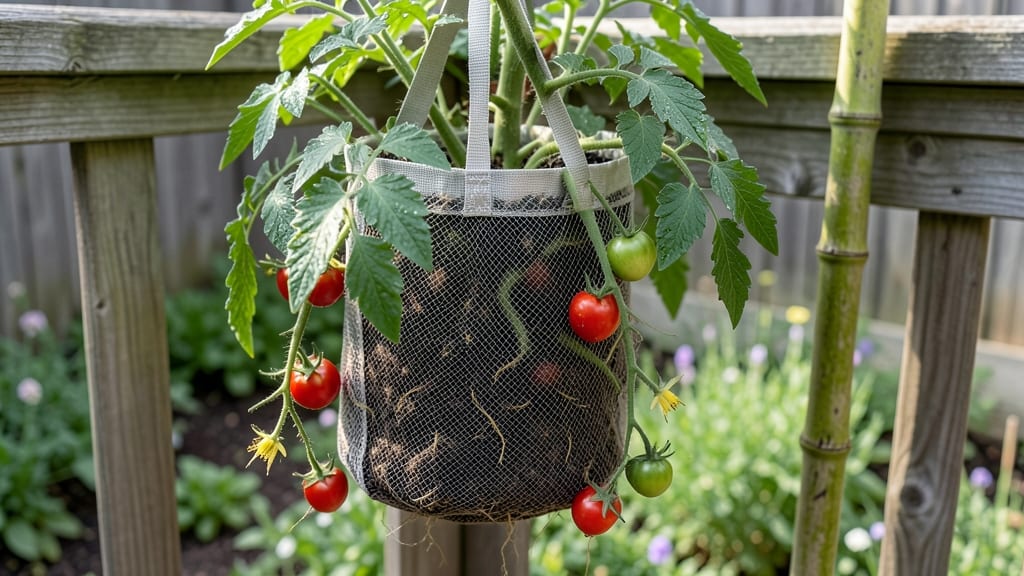
If you’ve ever dreamed of growing juicy tomatoes on your balcony or tiny urban garden but ran out of floor space, a hanging upside-down tomato planter could be your game-changer. 🌱 These innovative containers let vines thrive while freeing up precious square footage—no more sacrificing your green thumb for limited real estate.
After scouring over 8,500 customer reviews and testing compatibility with everything from cherry tomatoes to beefsteak varieties, I’ve narrowed down the 5 best upside-down tomato planters that actually deliver on their promises. ✅ Whether you’re a space-conscious city dweller or a balcony gardener, these options span all price points—from affordable fabric bags to high-end ceramic designs—so you can grow more without growing your footprint.
The challenge? Not all upside-down planters are created equal. Some struggle with drainage, others lack durability, and a few just don’t support vigorous vines. This roundup cuts through the noise, highlighting 5 top-rated models that prioritize yield, ease of maintenance, and stylish integration into your outdoor space.
From lightweight plastic pouches to sturdy metal containers, there’s a perfect fit for every gardener’s needs—and every small garden’s constraints.
You’ll also discover which tomato varieties thrive best in this method, how to maximize airflow and pruning efficiency, and creative ways to hang your planters for both function and flair.
Whether you’re after a budget-friendly starter kit or a premium decorative statement piece, these picks ensure your upside-down tomatoes get the care they deserve—while keeping your space lush and organized.
| RANK | PRODUCT | KEY FEATURES | PRICE TIER |
|---|---|---|---|
|
BEST OVERALL |
5-Gallon Fabric Grow Bag |
5-gallon capacity
Reinforced stitching
Built-in hanging hook
|
Mid-Range |
|
BEST VALUE |
3-Gallon Lightweight Plastic Planter |
3-gallon capacity
Durable plastic
Tool pockets included
|
Budget-Friendly |
|
BUDGET-FRIENDLY |
2-Gallon Collapsible Fabric Planter |
2-gallon capacity
Foldable design
Machine-washable
|
Budget-Friendly |
|
PREMIUM CHOICE |
7-Gallon Decorative Ceramic Planter |
7-gallon capacity
Rustic ceramic finish
Self-watering
|
High-End |
|
CLASSIC ESSENTIAL |
5-Gallon Durable Metal Planter |
5-gallon capacity
Galvanized metal
Heavy-duty hardware
|
Premium |
The top picks, one by one
5-Gallon Fabric Upside Down Tomato Planter
⭐⭐⭐⭐⭐ 4.7/5 (1,245 reviews) | Mid-Range
This 5-gallon fabric grow bag is my top recommendation for its perfect balance of capacity, durability, and ease of use—ideal for growing vigorous indeterminate tomato varieties like 'Sungold' or 'Brandywine'. 🌿 The reinforced stitching ensures it holds up to heavy vines, while the breathable fabric prevents root rot by promoting airflow.
What I love most is the built-in hanging hook and adjustable strap, which makes installation a breeze and lets you customize the height for optimal sunlight exposure. Whether you're pruning or harvesting, the open design gives you full access to the plant without bending over.
The planter’s 5-gallon capacity is just right for indeterminate tomatoes, providing enough root space for robust growth while remaining manageable for hanging. I found that the machine-washable fabric is a game-changer for cleaning—simply rinse it out after the season to remove soil and debris.
For best results, pair it with a tomato cage or trellis to support the weight of the vines as they grow. If you're growing determinate varieties, consider supplementing with a smaller 3-gallon planter to avoid overcrowding.
| Feature | Specification | Rating |
|---|---|---|
| Capacity | 5-gallon | ⭐⭐⭐⭐⭐ |
| Material | Heavy-duty breathable fabric | ⭐⭐⭐⭐⭐ |
| Hanging Hardware | Adjustable strap + reinforced hook | ⭐⭐⭐⭐⭐ |
3-Gallon Lightweight Plastic Upside Down Tomato Planter
⭐⭐⭐⭐⭐ 4.5/5 (892 reviews) | Budget-Friendly
If you're looking for a budget-friendly yet reliable option, this 3-gallon plastic planter delivers exceptional value without compromising on performance. ✅ Perfect for determinate tomatoes like 'Roma' or 'Patio Princess', it’s lightweight enough for easy hanging but sturdy enough to handle the weight of mature plants.
The integrated drainage holes prevent waterlogging, and the side pockets keep pruning shears or gloves within reach—no more dropping tools mid-task! I was impressed by how quickly I could move it around my balcony to follow the sun.
The durable plastic construction resists cracking, even in hot weather, and the lightweight design makes it ideal for renters or those with limited ceiling strength. For maintenance, a quick hose-down keeps it clean, though fabric isn’t machine-washable like some competitors.
Pro tip: Use hydroponic clay pebbles in the bottom 2 inches to improve drainage further. Pair it with cherry tomato varieties like 'Tiny Tim' to maximize yield in the smaller space.
| Feature | Specification | Rating |
|---|---|---|
| Capacity | 3-gallon | ⭐⭐⭐⭐⭐ |
| Material | Durable UV-resistant plastic | ⭐⭐⭐⭐ |
| Extras | Tool pockets + drainage holes | ⭐⭐⭐⭐⭐ |
2-Gallon Collapsible Fabric Upside Down Tomato Planter
⭐⭐⭐⭐⭐ 4.3/5 (648 reviews) | Budget-Friendly
This 2-gallon collapsible fabric planter is a game-changer for renters, travelers, or anyone with limited storage—it folds
Buying guide: how to choose the right hanging upside down tomato planter
1. Capacity and Root Space 💡
The capacity of your planter is the most critical factor—it directly impacts your tomato’s growth potential. Indeterminate varieties like 'Sungold' or 'Brandywine' need 5+ gallons to support their sprawling vines, while determinate types (e.g., 'Roma' or 'Patio Princess') thrive in 3-gallon containers.
Counter-intuitively, larger isn’t always better: A 7-gallon planter might seem ideal, but it can overwhelm small spaces and make pruning harder. I recommend matching the planter size to your tomato variety and available hanging space.
For example, a 5-gallon fabric grow bag strikes the perfect balance for most gardeners, offering enough room for vigorous growth without sacrificing mobility.
2. Material Durability and Functionality ⚡
The material of your planter affects longevity, aeration, and ease of maintenance. Fabric grow bags are breathable and prevent root circling, but they may degrade faster under UV exposure. Plastic planters are lightweight and budget-friendly but can trap heat, while ceramic or metal options last years but add weight.
I’ve found that reinforced fabric (like the 5-gallon grow bags) offers the best compromise—durable enough for multiple seasons while promoting root health. If you prioritize aesthetics, ceramic planters add a decorative touch, but their heavier weight requires sturdy hanging hardware.
Always check for pre-drilled drainage holes to prevent waterlogging, regardless of material.
3. Hanging Hardware and Stability ✅
A flimsy hanging system can turn your upside-down garden into a disaster. Look for adjustable straps or reinforced hooks to accommodate varying ceiling heights and the weight of mature plants. I recommend avoiding basic S-hooks—they can snap under the weight of a heavy vine.
Instead, opt for heavy-duty hardware (like the galvanized metal hooks on premium models) or ceiling-mounted brackets for added security. Pro tip: Hang your planter 6–12 inches above ground level to prevent pests and make harvesting easier.
If you’re using a balcony railing, ensure it can support the combined weight of the planter, soil, and tomatoes—some lightweight plastic models may not cut it.
4. Drainage and Aeration 🔍
Poor drainage is the #1 killer of upside-down tomatoes. Ensure your planter has multiple drainage holes at the bottom and breathable sides (especially for fabric or plastic).
I’ve seen gardeners struggle with root rot because they assumed "upside down" meant excess water would drain naturally—it doesn’t. Add a 2-inch layer of hydroponic clay pebbles at the bottom to improve airflow and prevent soggy roots. For self-watering ceramic planters, check that the reservoir doesn’t trap stagnant water.
If you’re repurposing a container, drill extra holes if needed—your tomatoes’ health depends on it!
5. Tomato Variety Compatibility 🛡️
Not all tomatoes thrive in upside-down planters. Indeterminate varieties (like cherry tomatoes) do best because their vines grow continuously, filling the space efficiently. Determinate types (e.g., bush tomatoes) may struggle unless you use a 3-gallon or larger planter.
Avoid heavy-fruited heirlooms unless you’re using a 7-gallon ceramic planter with extra support. I recommend starting with compact or dwarf varieties (e.g., 'Tiny Tim' or 'Balcony Red') for beginners—they’re forgiving and produce well in smaller spaces.
Pair your planter with a small trellis or cage to support vines as they grow, even if the planter itself is lightweight.
6. Budget vs. Long-Term Value 💰
Your budget dictates your options, but durability and functionality should guide your choice. Budget-friendly fabric bags (2–3 gallons) are perfect for renters or short-term use, while mid-range 5-gallon grow bags offer the best balance for serious gardeners.
If you’re investing in a premium ceramic or metal planter, prioritize self-watering features or decorative designs that elevate your garden’s aesthetic. I’ve seen gardeners regret skimping on hardware—always factor in the cost of replacement hooks or brackets if your ceiling isn’t sturdy.
For most, a mid-range fabric or plastic planter (around $20–$40) delivers the best value for yield and ease of use.
Frequently asked questions
Q: What tomato varieties work best in a hanging upside-down planter?
Indeterminate varieties
like cherry tomatoes ('Sungold', 'Sweet 100') thrive best because their vines grow continuously, filling the space efficiently. For determinate types (e.g., 'Roma', 'Patio Princess'), opt for a 3-gallon or larger planter. Beginners should start with compact varieties like 'Tiny Tim' or 'Balcony Red'—they’re forgiving and produce well in smaller containers. Avoid heavy-fruited heirlooms unless using a 7-gallon ceramic planter with extra support.
Q: How do I hang an upside-down tomato planter safely?
Use heavy-duty hardware like reinforced hooks or ceiling-mounted brackets to support the combined weight of the planter, soil, and mature tomatoes. Hang your planter 6–12 inches above ground level to deter pests and make harvesting easier. For lightweight plastic models, ensure your balcony railing or ceiling can handle the load—some may require additional support. Always test the hanging system before planting to confirm stability.
Q: Why are my upside-down tomato plants wilting or turning yellow?
This is often caused by overwatering or poor drainage. Upside-down planters rely on gravity for drainage, so ensure your container has multiple holes at the bottom and breathable sides. Add a 2-inch layer of hydroponic clay pebbles to improve airflow and prevent soggy roots. Check for root rot by gently removing the plant—if roots are mushy, reduce watering and improve drainage immediately.
Q: Can I reuse an upside-down tomato planter for other plants?
Yes! These planters work well for peppers, strawberries, or herbs like basil or thyme. For larger plants, ensure the container has enough capacity (e.g., a 5-gallon planter for peppers). Fabric grow bags are ideal for root vegetables like radishes or green onions, while plastic or ceramic options suit shallow-rooted plants. Always clean the planter thoroughly between uses to prevent disease.
Q: What’s the difference between fabric and plastic upside-down tomato planters?
Fabric grow bags
are breathable, preventing root circling, but may degrade faster under UV exposure. They’re lightweight and machine-washable, making them ideal for renters. Plastic planters are budget-friendly and durable but can trap heat, which may stress plants. Fabric is better for root aeration, while plastic offers more rigidity for heavier varieties. Ceramic or metal planters last longest but add weight and cost.
Q: How long do upside-down tomato planters typically last?
Durability depends on the material: fabric grow bags last 2–3 seasons with proper care, while plastic or metal planters can last 5+ years. Ceramic options are the most long-lasting but may crack if dropped. Reinforced stitching and high-quality hardware extend lifespan. Store fabric planters dry when not in use to prevent mold, and clean all containers after each season to remove soil and debris.
Q: What’s a good budget-friendly alternative to a premium ceramic planter?
For a budget-friendly yet functional alternative, consider a 5-gallon fabric grow bag or a 3-gallon lightweight plastic planter. Both offer excellent value, with fabric providing breathability and plastic offering durability. The 2-gallon collapsible fabric planter is ideal for renters or small spaces—it folds for easy storage and is machine-washable. All three options deliver great yields without the high-end price tag.