
How To
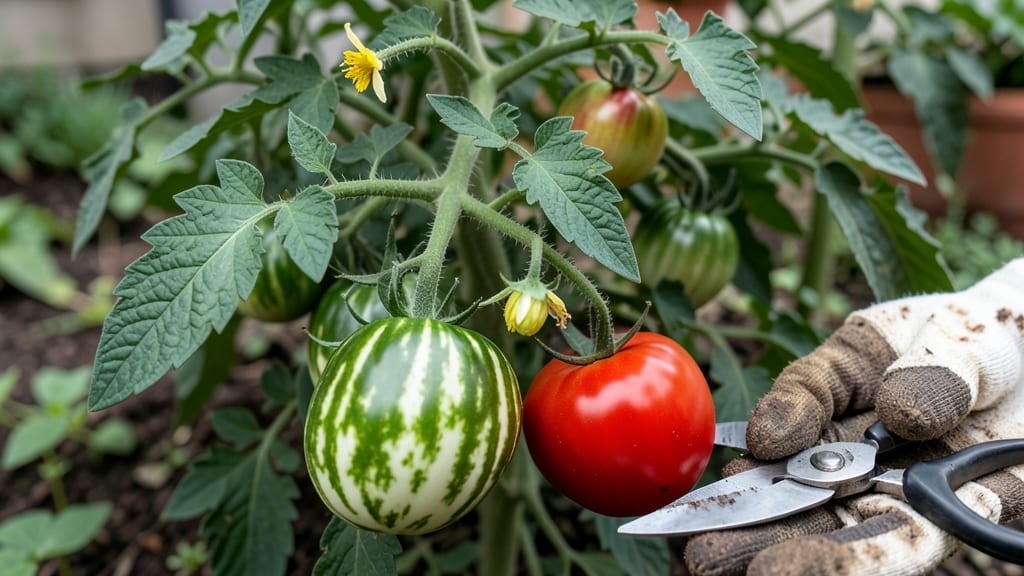
To pick a Green Zebra tomato 🍅 at peak flavor, watch for its signature yellow-green stripes and a slight softness when pressed.
If you’ve ever wondered why your Green Zebra tomatoes stay green longer than expected—or how to tell when they’re truly ripe—you’re not alone. These striped beauties follow unique ripening cues that most gardeners miss, often leading to underripe or overripe harvests.
Unlike standard tomatoes that turn fully red, Green Zebra varieties ripen when their stripes darken and the fruit yields just slightly to pressure. Ignoring these signs means missing out on that perfect balance of sweetness and tang.
Below, I’ll break down the exact color, size, and texture clues to harvest at the ideal moment—plus how to avoid common mistakes that ruin flavor. Let’s get those tomatoes picked right!


Green Zebra tomato ripening stages: how color changes signal harvest time
Green Zebra tomatoes are famous for their striking green-and-yellow stripes, but their ripening process is far more complex than just waiting for color change. Unlike traditional red tomatoes, these heirlooms develop lycopene and chlorophyll in a unique sequence that creates their signature appearance.
Understanding these color-stage triggers helps you harvest at peak flavor—when the fruit transitions from firm green to slightly soft yellow-green with deepening stripes.
The ripening journey begins with chlorophyll dominance, keeping the fruit green while it matures. As the plant shifts energy toward sugar production, chlorophyll breaks down, revealing yellow carotenoids beneath the surface.
This is where most gardeners miss the window—waiting for full red (which Green Zebras rarely achieve) instead of recognizing their yellow-green maturity. The key lies in observing stripe darkening and subtle blushes that signal readiness.
The science behind these color changes involves two key pigments: chlorophyll (green) and lycopene (red-orange). In Green Zebras, chlorophyll breaks down unevenly, revealing yellow carotenoids first in the stripes. This creates their iconic two-tone pattern.
The deeper the yellow base becomes, the riper the tomato—even if it never turns fully red. Think of it like a traffic light: green (unripe), yellow-green (ready), and overripe when the colors dull.
Size matters just as much as color. A Green Zebra tomato should reach 2–3 inches in diameter before harvesting. Smaller fruits (under 1.5 inches) are often underdeveloped and lack sweetness.
Use a ruler or your thumb as a guide—if the tomato spans your thumb to pinky finger, it’s likely ready. Overlooking size can mean sacrificing flavor for quantity, as smaller tomatoes concentrate more acid than sugar.
Don’t ignore the stem separation test, a foolproof ripeness indicator. Gently twist the tomato at its stem—if it snaps cleanly with minimal resistance, it’s prime for picking. This test works because the stem’s connection weakens as pectin (a natural fruit glue) breaks down during ripening.
Pro tip: Perform this test in the morning when fruits are firmer, avoiding the afternoon’s heat-induced softness that can mimic ripeness.
Temperature plays a hidden role in ripening. Green Zebras ripen best in warmth (70–85°F), but extreme heat can cause sunscald or uneven color. If your garden hits 90°F+, provide afternoon shade to protect the fruit’s delicate skin.
Conversely, cool nights (<60°F) slow ripening, extending the green stage. This is why late-summer tomatoes often ripen faster—longer daylight hours and warmth accelerate the process.
One common mistake is waiting for full red color, which Green Zebras rarely achieve. Their ripest state is a golden-yellow base with dark green stripes. If you harvest too late, the fruit may become mealy or seedy, losing its prized balance of tartness and sweetness.
Aim to pick when the stripes are bold and the base turns buttery yellow, not when they fade. This timing ensures you capture the peak flavor window—just 1–2 days before overripening.
For container gardeners, ripening cues may appear faster due to limited root space. Potted Green Zebras often ripen in 70–75 days (vs. 80+ days in-ground), so monitor them daily once stripes emerge.
Use a harvest basket to collect ripe tomatoes immediately—they won’t ripen further off the vine. This practice prevents rot or pest attraction from overripe fruit left hanging.
Store harvested Green Zebras at room temperature for 2–3 days to develop full flavor, or refrigerate for longer storage (though cold can dull their taste). The sweetness-to-acid ratio peaks at the yellow-green stage, making it the best time to slice for salads or preserve.
By mastering these color-stage triggers, you’ll transform your Green Zebra harvest from mediocre to extraordinary—every bite packed with balanced flavor. 🌱
5 Key signs your green Zebra tomatoes are ready to pick (beyond color)
Green Zebra tomatoes are famous for their striking stripes and unique ripening process, but relying only on color can lead to missed harvests. These heirloom beauties often stay green longer than expected, so I’ve learned to trust my senses more than just visual cues.
The key is combining texture, aroma, and subtle physical changes that signal true ripeness.
Many gardeners make the mistake of waiting for full red color, but Green Zebras rarely turn deep red—they peak at a vibrant yellow-green with dark stripes.
Instead, focus on these five sensory indicators that tell you the moment is right. Ignoring these can mean sacrificing flavor or letting tomatoes overripen on the vine.
- 1. Stem Snaps Cleanly – When you gently twist the tomato at its stem, it should detach effortlessly with a clean snap. If it resists or tears, wait 1-2 days.
- 2. Slight Give Under Pressure – Press your fingernail into the skin. A ripe Green Zebra will yield slightly (like ripe avocado) without bruising. Hard tomatoes need more time.
- 3. Sweet, Earthy Aroma – Cradle a tomato near your nose. Ripe ones emit a faintly sweet, floral scent. No smell? It’s not ready yet.
- 4. Weight Feels Heavy for Size – Hold two tomatoes of similar size. The ripe one will feel noticeably heavier due to concentrated sugars and moisture.
- 5. Stripes Darken Noticeably – The green stripes should deepen in color while the background turns yellow-green. Avoid waiting for full red—this variety peaks earlier.
I once left Green Zebras on the vine until they turned fully red, only to discover they’d lost their signature sweetness and developed mealy flesh. The lesson?
Trust the stem snap test and aroma check more than color. These sensory cues work even in low light or cooler climates where color changes slow down.
Another common mistake is picking tomatoes too early to "save" them for later. Green Zebras never improve after picking—they’ll just soften and rot. If you’re unsure, harvest a few for testing: cut one open to check for gel-like seeds (ripe) versus hard, white seeds (underripe).
For best flavor, harvest in the morning after dew dries when sugars are highest. Use a sharp knife or pruners to avoid damaging the plant, and store ripe tomatoes at room temperature (never refrigerated) to preserve their delicate texture and flavor.
Remember, Green Zebras are heirloom varieties with unique ripening patterns. The moment they pass these five sensory checks is your cue to pick—before birds or squirrels beat you to it! 🍅