How To
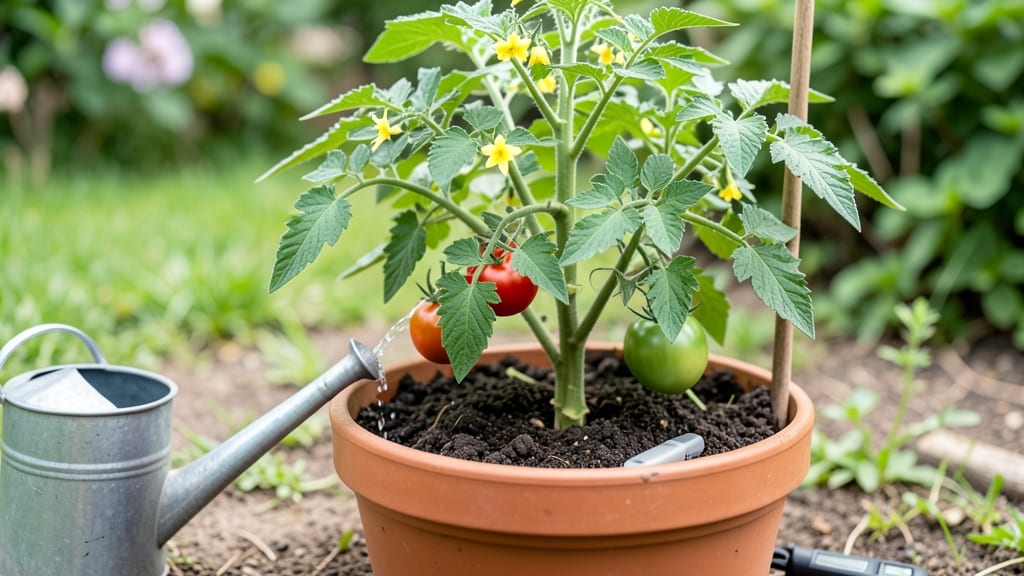
Watering potted tomato plants the right way keeps them thriving and your harvest bountiful—but one wrong move can mean wilted leaves or sad, cracked fruit.
You’ve probably heard that tomatoes need a lot of water, but how often is the tricky part. Too much, and roots drown; too little, and your 🍅 plants struggle to set fruit. The secret isn’t a rigid schedule—it’s reading your plant and adjusting on the fly.
In this guide, I’ll break down the perfect moisture balance for your potted tomatoes, from the best soil tests to seasonal tweaks. No more guessing—just science-backed tips to keep your plants happy and productive all season.
You’ll learn the 3 simple tricks to check soil moisture like a pro, spot overwatering or underwatering early, and adjust your routine for hot summers or cozy indoor setups. Let’s get those tomatoes growing strong!
The ideal watering frequency for potted tomato plants by season
Watering your potted tomatoes isn’t a one-size-fits-all task—it changes with the season, growth stage, and even whether your plants are indoors or outdoors. Too much water causes root rot, while too little leads to blossom end rot or wilting.
The key is consistent moisture without soggy soil. Let’s break down exactly how often to water based on your climate and plant’s needs.
First, consider your pot size and drainage. Smaller pots dry out faster, while larger containers retain moisture longer. Outdoor pots also evaporate water quicker due to wind and sun exposure. For most potted tomatoes, aim to water when the top 1-2 inches of soil feel dry to the touch.
But this changes dramatically with temperature and humidity, which we’ll cover next.
Indoor vs. Outdoor: Indoor plants in pots dry out slower because they lack direct sunlight and wind. Outdoor pots, especially in full sun, may need watering daily during summer. Always check soil moisture—don’t rely on a rigid schedule. Morning watering is ideal to reduce evaporation and fungal risks.
Seasonal Adjustments are critical. In spring and fall, when temperatures are mild, your tomatoes might only need watering every 2-3 days. But during summer heatwaves, daily watering may be necessary. Winter slows growth, so reduce watering to every 7-10 days unless your plant is actively growing.
During the flowering stage, consistent moisture is critical to prevent blossom drop. Water deeply in the morning to encourage strong root growth and reduce stress. If your tomatoes are fruiting, prioritize steady hydration—fluctuating moisture leads to cracked or misshapen tomatoes.
Use a moisture meter or stick your finger 1-2 inches into the soil to gauge dryness.
For outdoor pots, place them in dappled shade during peak afternoon heat to slow evaporation. If your tomatoes are in a container garden, group pots together to create a microclimate that retains humidity.
Avoid overhead watering, which can spread fungal spores. Instead, water at the base of the plant for targeted hydration.
If you notice yellowing leaves or wilting, it’s often a sign of underwatering—but check for overwatering too. Soggy soil, foul odors, or mushy stems indicate root rot.
Adjust your watering routine immediately if you spot these signs. Mulching with straw or shredded leaves helps regulate soil temperature and moisture levels, reducing the need for frequent watering.
Pro tip: Use self-watering pots if you travel often or struggle with consistency. These pots release water gradually, keeping roots hydrated without the risk of overwatering. For indoor growers, place pots on casa wheels or trays filled with pebbles and water to increase humidity around your plants.
Remember, every garden is unique. Factors like humidity levels, wind exposure, and even the
How to check soil moisture like a pro: 3 simple tests
Guessing how often to water your potted tomato plants leads to soggy roots or parched soil—neither helps your harvest. Instead, rely on these soil moisture tests to give your tomatoes the perfect balance of hydration.
The key? Checking moisture before you water, not on a rigid schedule. Even experienced gardeners skip this step, but your plants will thank you for the precision.
Most gardeners make one of two mistakes: watering based on a fixed schedule (like every other day) or waiting until the soil looks dry. Both approaches ignore the real-time needs of your tomato plants.
Soil moisture fluctuates with temperature, pot size, and even humidity. That’s why these three tests—finger-dip, weight-check, and moisture meter—are game-changers for container gardening.
Best for: Quick daily checks
Stick your finger 1-2 inches deep into the soil. If it feels dry, water thoroughly. If damp, wait another day. Tomato roots thrive in consistently moist (not soggy) soil.
Best for: Larger pots (5+ gallons)
Lift your potted tomato—a dry pot feels lightweight. After watering, it should feel noticeably heavier. This trick works best with terracotta pots, which lose moisture faster than plastic.
Best for: Precision and consistency
Insert the probe into the soil for 10-15 seconds. Aim for 40-60% moisture—any lower risks stress, and higher risks root rot. Digital meters are worth the investment for serious container gardeners.
For the finger-dip test, focus on the root zone where most moisture is absorbed. If the top layer feels dry but deeper soil is damp, your tomato plants are telling you to water less frequently.
Pro tip: Use a chopstick to poke holes in compacted soil before testing—this mimics natural aeration and gives roots room to breathe.
The weight-check method is especially useful for heavy pots or when you’re juggling multiple containers. A sudden drop in weight signals it’s time to water, even if the soil looks moist.
This method also helps you adjust for climate shifts, like sudden heatwaves that dry out soil faster. Pair it with the finger test for the most accurate results.
If you’re still unsure, invest in a moisture meter—they’re affordable and eliminate guesswork. For potted tomatoes, avoid watering if the meter reads above 60% moisture.
Overwatering is the #1 cause of blossom end rot, and no gardener wants to sacrifice flavor for soggy soil. Remember: Drainage holes are non-negotiable for container tomatoes.
Now that you’ve mastered these tests, your tomato plants will grow with confidence. Start with the finger test, then graduate to the weight-check or meter as your green thumb expands. Soon, you’ll water like a pro—no more wilting leaves or wasted water! 🌱