
Vegetables
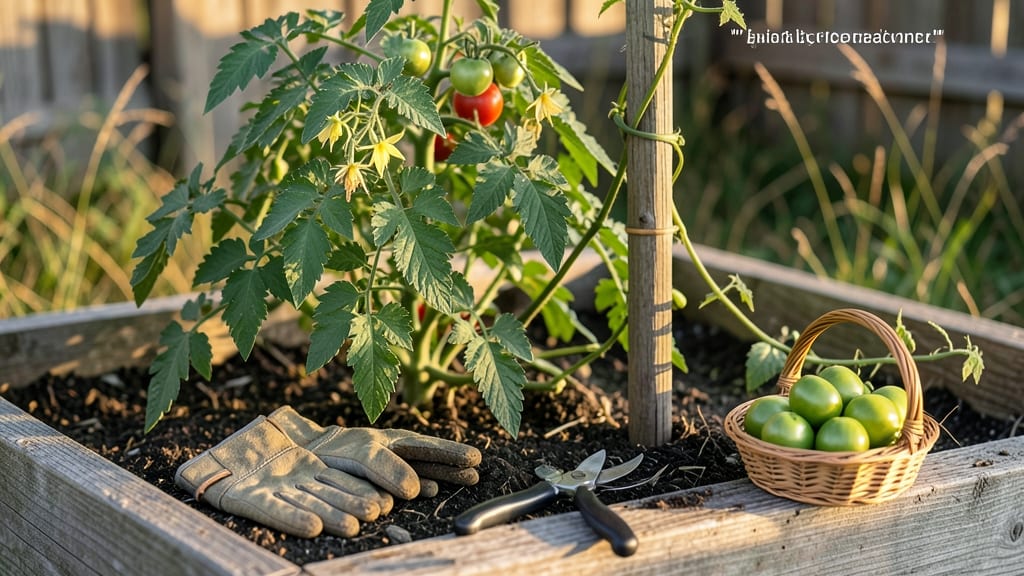
Green tomatoes are the unsung heroes of green tomato season, offering a burst of tangy flavor when harvested at the perfect moment.
Picture this: a late summer morning, your garden overflowing with bright green tomatoes that refuse to ripen before the first frost. You’ve got two choices—let them go to waste or learn how to turn them into a pantry staple.
The difference between these outcomes? Timing your harvest and storing them right.
This is your guide to mastering green tomato season, from spotting the ideal harvest window to keeping them fresh through winter. Whether you’re a first-time gardener or a seasoned pro, these tips will help you avoid common mistakes and make the most of your harvest.
You’ll discover when to pick for peak flavor, how to store them for months, and even how to revive soft tomatoes. Let’s get started!
When to harvest green tomatoes for optimal flavor and yield
Harvesting green tomatoes at the perfect moment transforms them from bland to bursting with tangy-sweet flavor. Unlike ripe tomatoes, green ones don't ripen further on the vine—so timing is everything.
The ideal harvest window depends on your climate, variety, and whether you plan to eat them fresh or store them for later. In cooler regions, green tomatoes often ripen too late in the season, making harvest timing critical for avoiding waste.
Most gardeners harvest green tomatoes when they reach 2-3 inches in diameter and develop a firm, slightly waxy skin. Look for a deep green color with no yellow or red tinges near the stem—this signals peak fresh-eating flavor.
For storage purposes, harvest slightly earlier when tomatoes are still firm but beginning to soften, as this stage holds up best during long-term preservation.
Climate plays a huge role in harvest timing. In warmer southern climates, tomatoes may ripen fully on the vine, but in northern zones, first frost threats force early harvests.
Early-season varieties like 'Early Girl' mature faster (60-65 days), while late-season types like 'Brandywine' take 85+ days. Always check your seed packet for days-to-maturity estimates and adjust harvest plans accordingly.
🌱
| Harvest Stage | Size Indicator | Color Cues | Best For | Climate Notes |
|---|---|---|---|---|
| Early Harvest | 1.5-2 inches | Uniform green, no color shift | Storage | Cool climates (Zone 5-7) |
| Peak Fresh | 2-3 inches | Deep green with slight waxiness | Eating fresh | All climates |
| Late Harvest | 3+ inches | Green with slight yellowing | Ripening indoors | Frost-prone areas |
| Overripe | Soft, wrinkled | Pale green or spotted | Avoid | All climates |
For fresh eating, harvest when tomatoes reach 2-3 inches and develop a matte, slightly waxy skin. These tomatoes are packed with maximum acidity and sweetness—perfect for fried green tomatoes or fresh salads.
The key is to pick them before they start softening, as overripe green tomatoes develop a mealy texture and lose flavor. I always harvest mine in the morning when temperatures are cooler, which helps preserve their crispness.
If you're planning to store green tomatoes long-term, harvest slightly earlier when they're still firm but beginning to soften. This stage contains higher starch content, which helps them last through winter.
In my experience, tomatoes harvested at this point stay fresh for 3-6 months when stored properly in a cool, dark place. For varieties like 'Green Zebra', which are bred for storage, this window is even wider.
Climate significantly impacts harvest timing. In northern climates, where first frost often arrives by mid-October, I start harvesting green tomatoes as early as late August for storage. In southern regions, where growing seasons extend longer, you might wait until early October or later.
Always monitor weather forecasts and be ready to harvest 2-3 weeks before the first expected frost date.
One common mistake is waiting too long for color change. While some varieties like 'Green Meat' stay green even when ripe, others like 'Celebrity' will eventually turn red.
If you're unsure whether a tomato is ready, perform the gentle squeeze test: press lightly—if it yields slightly but doesn't feel mushy, it's harvest-ready. For storage purposes, I prioritize firmness over color, as softer tomatoes bruise more easily during handling.
For gardeners in short-season areas, consider planting early-maturing varieties specifically chosen for green tomato harvests. Varieties like 'Stupice' or 'Green Grape' produce small, flavorful green tomatoes in just 50-60 days, perfect for early harvests.
These compact plants also thrive in containers, making them ideal for urban gardeners with limited space.
🌿
Remember that green tomatoes continue ripening after harvest if stored properly. Place them in a paper bag with a banana or apple to speed up ripening, or store them in a cool, dark place to slow the process.
With the right timing, you can enjoy homegrown green tomatoes from late summer through winter, avoiding store-bought varieties entirely. The secret lies in understanding your specific climate, variety characteristics, and storage goals.
How to store green tomatoes long-term: best methods and tips
Storing green tomatoes properly can extend your harvest well into winter, preserving that tangy, vine-ripened flavor we all love. The key is choosing the right method based on your climate and storage space.
Whether you're dealing with a late frost or just want to save your bounty, these techniques will keep your tomatoes fresh and ready for cooking or ripening later. Let’s dive into the best ways to store them long-term.
First, always harvest green tomatoes at peak firmness—they should be fully colored and slightly soft to the touch. Avoid bruised or damaged fruit, as these spoil faster. Once picked, your storage options depend on how long you plan to keep them and your available storage conditions.
For short-term storage (up to a few weeks), room temperature works fine, but for long-term preservation (months), refrigeration or freezing is best.
🌱 Green Tomato Storage Methods Ranked
*Ranked by effectiveness for long-term storage (up to 6 months) and flavor retention.
For room-temperature storage, place tomatoes in a single layer on a well-ventilated tray or mesh bag in a cool, dark spot like a pantry or basement. This method works best in temperate climates (USDA Zones 5-7) where temperatures stay between 50-60°F (10-15°C).
Avoid stacking or sealing them in airtight containers, as this can cause mold or rot from trapped moisture. Check weekly for spoilage and remove any soft or shriveled tomatoes immediately.
If you live in a warmer climate (Zones 8-10) or need longer storage, refrigeration is your best bet. Store tomatoes in a paper bag or perforated plastic container in the crisper drawer of your fridge. The cold slows down ethylene gas production, which helps prevent over-ripening.
For best results, keep them at 45-50°F (7-10°C)—never below 40°F (4°C), as this can cause chilling injury and turn the flesh mealy. This method keeps tomatoes fresh for 3-6 months.
For the longest shelf life (up to 12 months), freezing is the gold standard. Start by slicing tomatoes into ¼-inch thick rounds or quarters and blanching them for 2-3 minutes to preserve texture.
Spread them on a tray to freeze solid, then transfer to airtight freezer bags, squeezing out excess air. Label with the date and store in the coldest part of your freezer (-5°F/-20°C or lower). Frozen green tomatoes are perfect for sauces, salsas, or roasting later.
Reviving soft or shriveled green tomatoes is easy! Place them in a paper bag with a ripe banana or apple for 24-48 hours—the ethylene gas from the fruit triggers ripening. If they’re still firm but wilted, soak them in ice water for 10-15 minutes to plump them up.
For severe damage, cut out any moldy spots and use the rest in cooked dishes where texture isn’t critical. Avoid using tomatoes with deep bruises or a fermented smell, as these are unsafe to eat.
Common storage mistakes include overcrowding, sealing tomatoes in airtight containers, or storing them near onions or potatoes (which release gases that speed up spoilage). Always inspect your tomatoes regularly and discard any that develop mold, soft spots, or an off odor.
With these tips, you’ll enjoy homegrown green tomatoes well beyond the green tomato season—straight from your garden to your table all winter long! 🌱