
Companion Plants
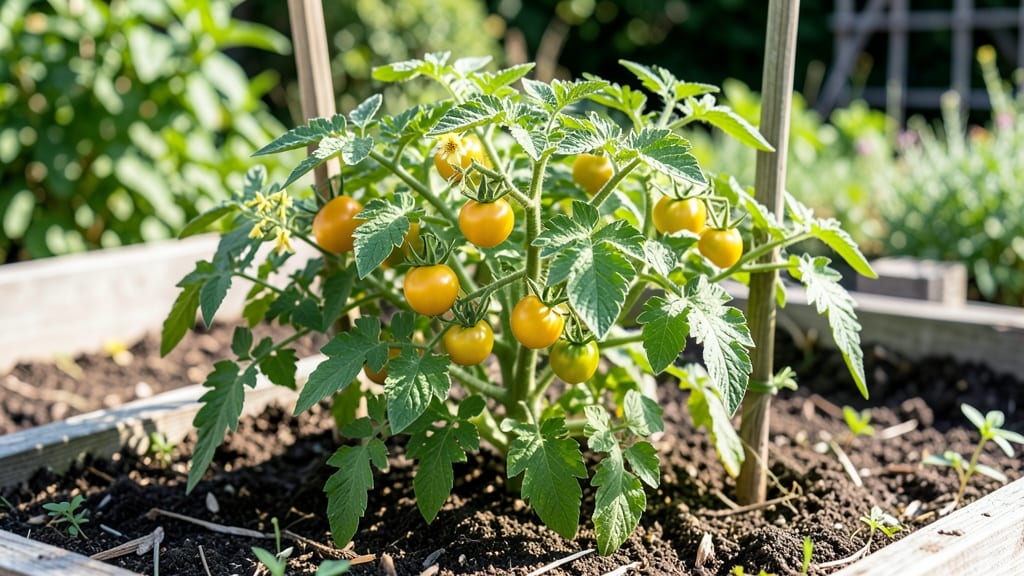
Growing golden cherry tomato plants means sunshine-yellow clusters that burst with flavor—far sweeter than anything you'll find in the produce aisle. 🌞 The secret starts with the right soil mix and planting timing, which I learned the hard way after my first batch of leggy, underproducing plants last summer.
These tomatoes thrive in full sun (at least 6-8 hours daily) and well-draining soil with a pH between 6.0 and 6.8. I add compost at planting and use a balanced fertilizer every 2-3 weeks once flowers appear.
The key is consistent moisture—never soggy, never dry—because golden cherries crack when watered unevenly.
By mid-summer, you'll be harvesting pint-sized sunbeams that sweeten on the vine. The plants stay compact (3-4 feet tall) and produce for weeks, making them perfect for containers or small gardens. Prune suckers regularly to focus energy on fruit, not foliage.
Even in hot climates, shade cloth helps prevent sunscald on the fruit. My plants yielded 20+ pounds last season—enough to share with neighbors and still have jars of sun-dried tomatoes for winter. Ready to grow your own sunshine?
📚 In This Guide
- What you need
- Instructions
- Tips and common mistakes
- Wrapping up and next steps
What you need
- ● Seeds or seedlings: Golden cherry tomato seeds (e.g., 'Golden Sweet,' 'Sun Gold,' or 'Tumbling Tom') or healthy young plants from a nursery.
- ● Containers or garden space: For containers: 5-gallon pots or larger (1 plant per container).
- ● For in-ground planting: Full sun (6–8+ hours/day) and well-draining soil.
- ● Potting mix: High-quality, sterile mix with compost (avoid garden soil if container-grown).
- ● Fertilizer: Balanced organic fertilizer (10-10-10) or tomato-specific feed (follow package rates).
- ● Support system: Cages, stakes, or trellises (2–3 ft tall for dwarf varieties, taller for indeterminate types).
- ● Mulch: Straw or shredded leaves to retain moisture and suppress weeds.
- ● Gloves & trowel for planting.
- ● Watering can or hose with a gentle spray nozzle.
- ● Pruning shears to trim suckers and encourage bushier growth.
- ○ Drip irrigation or soaker hose (optional but helpful for consistent moisture).
- ○ Shade cloth (optional, for hot climates to protect young plants).
- ● Companion plants: Basil, marigolds, or borage (to deter pests and boost flavor!).
Step-by-Step instructions for growing golden cherry tomatoes
Here’s how I grow these sun-kissed beauties—bursting with flavor and ready to outshine grocery store picks.
🌱 Step 1: Start Seeds Indoors 6-8 Weeks Before Last Frost
Golden cherry tomatoes thrive when started early. Fill 2-3 inch deep biodegradable pots with sterile seed-starting mix (never garden soil—it’s too dense). Plant 1-2 seeds per pot at ¼ inch deep, then mist until evenly damp. Cover with a humidity dome or plastic wrap to retain warmth and moisture, keeping soil at 75-85°F for fastest germination.
Expect sprouts in 7-14 days. Once they emerge, remove the cover immediately—trapped moisture invites damping-off, a fungal disease that collapses seedlings overnight. Place pots under a grow light for 14-16 hours daily, keeping it 2-4 inches above the plants. You’ll see strong, stocky seedlings with deep green leaves in 4-6 weeks.
☀️ Step 2: Harden Off and Transplant After Frost
Two weeks before your last frost date, begin hardening off seedlings by placing them outside in a sheltered spot for 1-2 hours the first day. Gradually increase exposure by 1 hour daily, moving them to full sun by day 10. This toughens stems and leaves so they survive transplant shock.
Transplant after soil warms to 60°F and all frost risk has passed. Bury seedlings deeper than the root ball—up to the first true leaves—to encourage strong root growth. Space plants 18-24 inches apart in full sun, and water deeply at the base to settle soil around roots.
💧 Step 3: Water Deeply and Support Early Growth
Water 1-2 inches per week, letting soil dry slightly between sessions. Golden cherries hate soggy roots but also wilt under stress. You’ll know moisture is right when the top 1-2 inches of soil feel dry to touch. Use drip irrigation or soaker hoses to keep foliage dry and prevent fungal diseases like early blight.
Install cages or stakes at planting to support vines as they grow. Tomatoes grow fast—you’ll see 12-inch vines in 3-4 weeks—so secure supports early. Prune suckers (the small shoots in the leaf axils) to direct energy into fruit production. Remove any leaves touching the soil to improve airflow and reduce disease risk.
✂️ Step 4: Prune and Harvest for Maximum Flavor
Prune aggressively to focus energy on fruit. Remove all suckers (the shoots growing between the main stem and branches) and any leaves below the first 12 inches of the plant. This improves airflow, reduces disease, and lets sunlight reach developing fruit. You’ll see clusters of golden-yellow cherries in 60-70 days after transplanting.
Harvest when fruit reaches full color and feels slightly soft to the touch. Pick clusters gently to avoid damaging stems. Regular harvesting encourages more production—you’ll get 20-30 pounds per plant in a season if you stay on top of it. Store unwashed tomatoes in the fridge for up to 1 week or eat them fresh for peak sweetness.
Tips & tricks for growing golden cherry tomatoes
Let me share the insider secrets that turn good tomato plants into showstopping golden clusters.
Germination Conditions: The 75-85°F soil temperature range is non-negotiable for those first 14 days. I use a seedling heat mat set to 80°F—it cuts germination time by nearly half. If your kitchen feels chilly, place pots on top of your fridge (not inside) to maintain warmth without overdoing it.
Hardening Off Strategy: Start the 1-2 hour daily hardening process in a spot with morning sun and afternoon shade. This gradual transition prevents sunburn on tender seedlings. I mark my calendar with the 10-day progression—it's easy to forget how quickly those hours add up!
Transplanting Depth: Burying seedlings up to the first true leaves might seem counterintuitive, but it triggers root growth from those buried stems. This creates a stronger plant foundation. I make a small trench with my finger to ensure proper depth—no guessing games here.
Pruning Precision: When removing suckers in Step 4, use clean scissors and cut at a 45-degree angle just above the leaf axil. This prevents disease entry points. I prune on cloudy days when plants are less stressed from water loss.
Pro Tips for Golden Cherry Tomato Plants
- Let me share the insider secrets that turn good tomato plants into showstopping golden clusters.
- Germination Conditions: The 75-85°F soil temperature range is non-negotiable for those first 14 days. I use a seedlin...
- Hardening Off Strategy: Start the 1-2 hour daily hardening process in a spot with morning sun and afternoon shade. Th...
Frequently asked questions
Got questions about growing golden cherry tomato plants? You’re not alone! Here are answers to the most common queries to help you cultivate sweet, sun-kissed tomatoes like a pro.
How long does it take for golden cherry tomato plants to produce fruit?
Golden cherry tomatoes typically start flowering 6-8 weeks after transplanting (or 50-60 days from seed). Fruit appears 1-2 weeks later, with continuous harvests through the growing season. Patience pays off—early blooms may drop, but steady production follows!
What’s the best temperature range for growing golden cherry tomatoes?
These heat-loving plants thrive in 70–85°F (21–29°C) daytime temps and 60°F (15°C) minimum at night. Below 55°F (13°C), growth slows; above 90°F (32°C), fruit may split. Use shade cloth or mulch to regulate temps in extreme climates.
Can I grow golden cherry tomatoes in containers? If so, what size pot do I need?
Golden cherry tomatoes do well in containers 5 gallons or larger (bigger is better for stability and root growth). Ensure pots have drainage holes and use a balanced fertilizer every 2–3 weeks. Dwarf or determinate varieties (like ‘Tiny Tim’) are ideal for pots.
What pests or diseases should I watch for with golden cherry tomato plants?
Common issues include aphids, whiteflies, and hornworms (handpick or use neem oil). Diseases like blight or early blight thrive in humidity—space plants for airflow and avoid wetting leaves. Yellowing leaves? Check for nutrient deficiencies (e.g., nitrogen or potassium) or overwatering.
Are golden cherry tomatoes self-pollinating, or do I need to help them?
Golden cherry tomatoes are self-pollinating, but gentle morning shakes or a light breeze can boost fruit set. If indoors or in poor weather, use a small brush to transfer pollen between flowers.
What can I plant near golden cherry tomatoes for companion benefits?
Pair them with basil, marigolds, or onions to deter pests and improve flavor. Avoid planting near corn, fennel, or brinjals (eggplants), as they compete for nutrients. Companion planting is a game-changer for healthier, happier plants!
Wrapping up and next steps
Growing golden cherry tomato plants is a rewarding journey that brings bursts of sunshine to your garden—and your plate! 🌞 With the right companion plants, soil prep, and care, you’ll enjoy clusters of sweet, golden jewels that outshine store-bought tomatoes.
Whether you’re a seasoned gardener or a curious beginner, these vibrant plants are a fantastic addition to any space.
Now that you’re armed with tips and answers, it’s time to get your hands dirty! Start by selecting a sunny spot, gathering your supplies, and planting those seeds or seedlings.
Before you know it, you’ll be harvesting golden cherry tomatoes to savor fresh, share with friends, or even preserve for later. Happy gardening—your future harvest awaits! 🌱✨