
How To
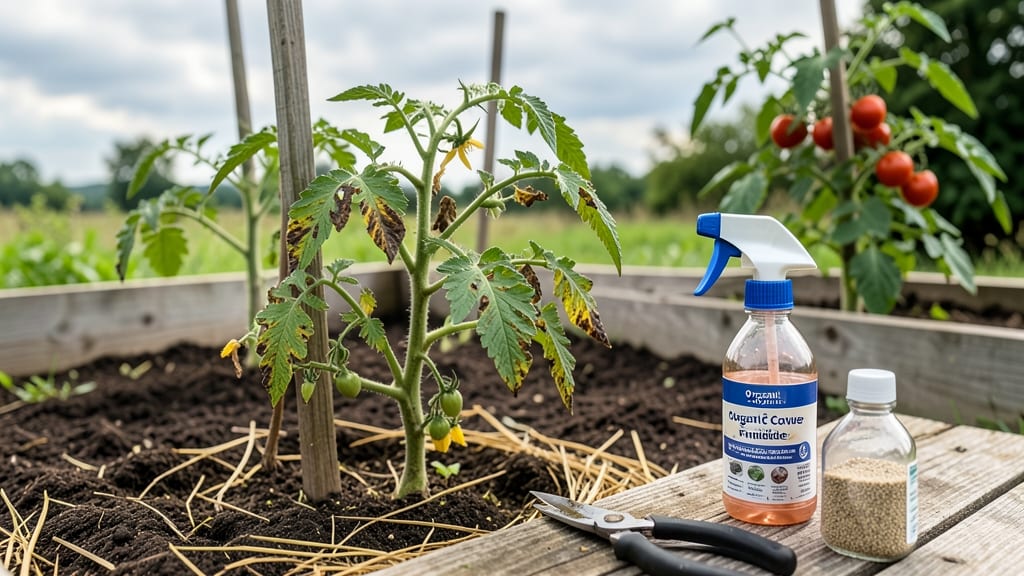
When the early tomato blight cure strikes—those first brown spots on your leaves—copper spray is your secret weapon. 🌱 I’ve saved more harvests than I can count with this simple, organic defense—no fancy tools or expensive treatments required.
The key is acting fast before the spots spread like wildfire, turning your lush plants into a sad, spotted mess.
Blight thrives in damp conditions, so the moment you spot those telltale dark circles with yellow halos, grab your copper fungicide and a spray bottle. Prune infected leaves immediately (don’t compost them!) to stop the spread, and rotate your crop next season—blight loves repeat offenders.
Copper works by creating a protective shield on leaves, blocking the fungus before it can take hold.
Within a week, you’ll see new growth pushing through, vibrant and blight-free. The copper spray isn’t just a cure—it’s prevention too, giving your tomatoes the armor they need for the rest of the season. Just mix, spray, and watch your plants bounce back like nothing ever happened.
Works for home gardens, containers, or raised beds—anywhere tomatoes grow. The best part? You’ll still get those juicy, vine-ripened fruits you planted for, without the heartbreak of blight ruining your harvest.
Root Causes Of Early Blight
Early tomato blight isn’t just bad luck—it’s a sneaky disease with specific triggers. Understanding these causes is your first line of defense. Here’s why your tomato plants might be under attack:
Early blight thrives when moisture lingers on leaves for long periods. This fungus, caused by Alternaria solani, needs high humidity (80%+) and wet foliage to spread. Heavy rain, morning dew, or even overhead irrigation can create the perfect breeding ground.
The spores germinate on leaf surfaces, forming dark, concentric spots that eventually kill plant tissue.
Why it’s dangerous:
- Warm, damp conditions (65–85°F) accelerate spore growth.
- Poor air circulation in dense plantings traps moisture, worsening the problem.
Stress weakens tomatoes, making them vulnerable. Overcrowding reduces airflow, while physical damage (from hail, insects, or rough handling) creates entry points for spores. Even pruning wounds can invite infection if not healed properly.
Key stress factors:
- Root-bound plants (slow growth = weaker defenses).
- Nutrient deficiencies (especially potassium or calcium).
- Mechanical injury (e.g., torn leaves from wind or tools).
Early blight spores survive in soil, plant debris, and old crop residues for years. If you’ve grown tomatoes (or other nightshades like peppers/eggplants) in the same spot, spores may already be lurking. Infected leaves left on the ground release new spores when conditions turn favorable.
How it spreads:
- Wind or water carries spores to healthy plants.
- Tools or hands can transfer spores between plants.
- Compost with infected material reintroduces the pathogen.
While early blight can strike anytime, it’s most aggressive in hot, humid summers. Ideal conditions for outbreaks:
- Daytime temps: 75–85°F (spores germinate faster).
- Nighttime temps: 60–70°F (slow drying = prolonged moisture).
- Sudden heatwaves after cool, wet periods (common in spring/summer transitions).
Red flags:
- Yellowing leaves + brown spots = classic early blight symptoms.
- Stunted growth or wilting in high-heat spells.
If nearby plants (even unrelated ones) show symptoms, your garden is at risk. Early blight spreads rapidly in shared spaces. Ignoring infected plants lets spores multiply unchecked, turning a small problem into an epidemic.
Contagion hotspots:
- Greenhouses (high humidity + confined space = perfect storm).
- Community gardens (shared tools or soil).
- Seedlings from contaminated growing media.
Not all tomatoes fight blight equally. Heirloom or indeterminate varieties (like 'Brandywine' or 'Cherokee Purple') are often more susceptible than disease-resistant hybrids (look for labels like 'Early Girl' or 'Mountain Merit').
Why some plants lose:
- Thin leaf cuticles (easier for spores to penetrate).
- Slow recovery from stress (e.g., transplant shock).
Early blight doesn’t discriminate—it exploits moisture, stress, and poor hygiene. The good news? Preventing these triggers (with copper sprays, spacing, and sanitation) can stop it before it starts. Stay vigilant, and your tomatoes will thank you with blemish-free harvests!
How to Fix Early Tomato Blight
Early tomato blight doesn’t have to mean the end of your harvest—with the right approach, you can save your plants, restore their health, and prevent future outbreaks. Below are practical, step-by-step solutions tailored to the most common causes of early blight, from organic remedies to preventative strategies that work.
Let’s turn those brown spots into a thing of the past!
If your tomatoes are showing dark, concentric rings or yellowing leaves, early blight is likely at play. Copper-based fungicides are one of the most effective early blight cures because they disrupt fungal spores before they take hold.
How to Apply Copper Spray Properly
- 🛒 Choose the Right Product
- Look for copper fungicides labeled for organic gardening (e.g., copper sulfate, copper hydroxide, or Bordeaux mixture).
- Avoid overusing copper—stick to no more than 3-4 applications per season to prevent soil buildup.
- 🌱 Time It Right
- Preventative spray: Apply every 7-10 days starting before symptoms appear (especially in humid weather).
- Treatment spray: If you spot blight, spray immediately at dawn or dusk (when humidity is high but sun isn’t scorching).
- 💦 Spray Like a Pro
- Use a hose-end sprayer or backpack sprayer for even coverage.
- Focus on undersides of leaves (where spores hide) and stems.
- Wet the leaves thoroughly—don’t just mist them!
- 🌡️ Boost Effectiveness
- Mix copper spray with neem oil or baking soda spray (1 tsp baking soda + 1 quart water + a few drops of soap) for extra fungal defense.
- Reapply after rain—water washes off copper, reducing its protection.
Weak or stressed tomatoes are blight magnets. Give your plants a nutritional and structural boost to fight back.
🌿 Nutrient Fixes for Resilient Tomatoes
| Problem | Solution | How to Apply |
|---|---|---|
| Nitrogen Deficiency | Fish emulsion or compost tea (high in nitrogen) | Apply every 2 weeks as a soil drench or foliar spray. |
| Potassium Shortage | Wood ash or banana peel tea (rich in potassium) | Sprinkle wood ash around plants or steep banana peels in water for 24 hours, then spray. |
| Weak Stems | Epsom salt spray (magnesium sulfate) | Mix 1 tbsp Epsom salt per gallon of water and spray leaves weekly. |
| Poor Soil Drainage | Sand or perlite amendment | Mix 1 inch of coarse sand or perlite into the top 6 inches of soil. |
💡 Pro Tip:
Mulch with straw or grass clippings to keep soil moist but not soggy—this reduces spore splash from wet leaves to stems.
Removing infected foliage stops the spread and improves air circulation—critical for blight prevention.
🔪 Pruning Steps to Save Your Tomatoes
- 🗑️ Remove Infected Leaves
- Snip off any leaves with brown spots using sterilized scissors (wipe with rubbing alcohol between cuts).
- Do not compost infected plant debris—trash it immediately to prevent reinfection.
- ✂️ Thin Out Overcrowded Plants
- Early blight thrives in humid, shaded conditions. Prune to open up the plant for better airflow.
- Remove lower leaves (up to 12 inches from the ground) to reduce soil-borne spore contact.
- 🌿 Stake or Cage Plants Properly
- Avoid overhead watering—use drip irrigation or a soaker hose to keep leaves dry.
- If using cages, space them 18-24 inches apart to prevent crowding.
The best cure? Stopping blight before it starts. Follow these long-term strategies to keep your tomatoes healthy and blight-free.
🌡️ Weather-Proof Your Garden
- 🌧️ Water in the Morning – Wet leaves dry faster, reducing humidity where spores thrive.
- ☀️ Avoid Overhead Watering – Use drip lines or hand-water at the base.
- 🌿 Choose Resistant Varieties – Plant blight-resistant tomatoes like ‘Mountain Merit,’ ‘Defiant PhR,’ or ‘Bush Early Girl.’
🔄 Crop Rotation & Soil Health
- 🌱 Rotate Plant Families – Don’t plant tomatoes (or potatoes/peppers) in the same spot for 3 years to break fungal cycles.
- 🍄 Add Beneficial Fungi – Mix mycorrhizal fungi into soil to boost plant immunity.
- 🌿 Solarize Soil (For Severe Cases) – Cover beds with clear plastic for 4-6 weeks in hot sun to kill fungal spores before planting.
🎯 Early Detection = Early Action
- 👀 Inspect Plants Weekly – Check undersides of leaves and stems for early signs.
- 📸 Take Photos – Compare symptoms to early blight vs. late blight (late blight causes greasy, black spots and spreads faster).
- 🚨 Act Fast – If you see even one spot, treat immediately—delay = more damage.
Final Thought: Early blight may be stubborn, but with copper sprays, smart pruning, and preventative care, you can save your tomatoes and enjoy a bountiful harvest. 🍅✨ Your garden’s future starts with action today!
Frequently asked questions
Can I use vinegar as an early tomato blight cure?
While vinegar can act as a mild fungicide, it’s not the best choice for treating early blight. A solution of 1 part white vinegar to 3 parts water (plus a drop of dish soap) may help in very mild cases, but copper fungicides are far more effective. Vinegar’s acidity can also harm plant tissues over time, so use it sparingly and only as a last resort.
How often should I spray copper fungicide for prevention?
For prevention, apply copper spray every 7-10 days during humid weather or when early blight conditions are likely (like after rain). If you’re treating an active infection, spray immediately at dawn or dusk and repeat every 5-7 days until new growth appears. Always follow the product’s instructions for safety and effectiveness.
Will pruning infected leaves really stop the spread?
Removing infected leaves stops the fungus from spreading to healthy parts of the plant. The key is to sterilize your pruners (wipe with rubbing alcohol) between cuts and dispose of infected debris in the trash (not compost). Prune early in the day so wounds can dry quickly, reducing the risk of further infection.
Can I still harvest tomatoes from blight-infected plants?
Yes, but focus on fruits that are already ripe or nearly ripe. Avoid harvesting green tomatoes from heavily infected plants—they may not ripen properly. Once you’ve picked the fruit, remove the entire plant (roots and all) to prevent reinfection. For future seasons, choose blight-resistant varieties like ‘Mountain Merit’ to minimize risks.
Why does my tomato plant have brown spots but no yellowing?
Brown spots without yellowing could indicate early blight, but it might also be sunburn, nutrient deficiency, or environmental stress. Check for concentric rings (classic blight) or dry, crispy edges (sunburn). If the spots are raised and powdery, it could be powdery mildew. Test with a copper spray—if it’s blight, you’ll see improvement within 5-7 days.