
Companion Plants
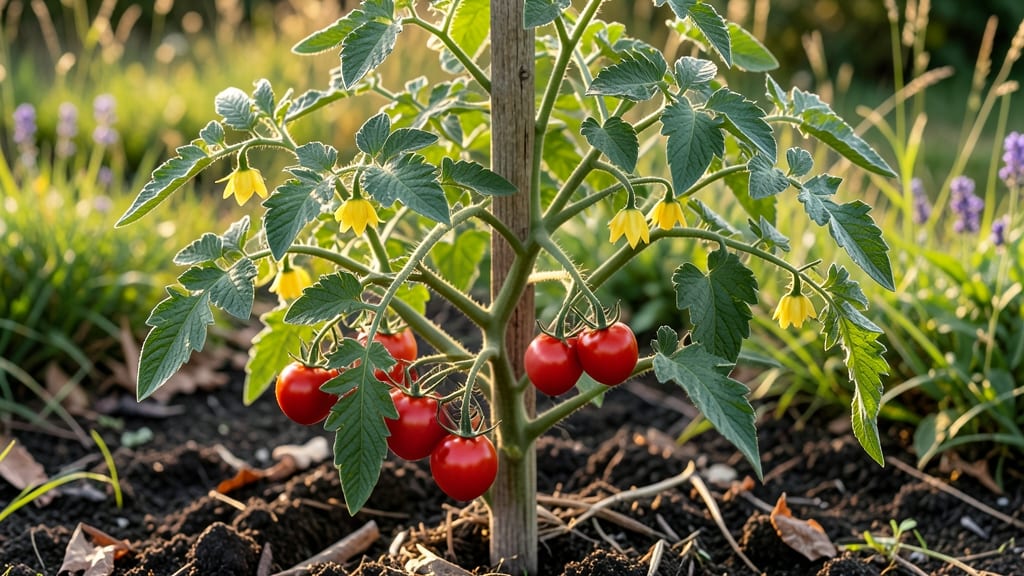
Druzba tomato plants thrive when paired with the right companions—think bigger yields and fewer pests. 🌱 I learned the hard way that planting them alone means missing out on their full potential, especially in crowded gardens.
These Russian heirlooms love good neighbors like basil, marigolds, and onions, which repel pests and boost flavor. The secret to their success starts with well-draining soil rich in organic matter. They need full sun (6-8 hours daily) and consistent moisture—never soggy roots.
A balanced fertilizer every 3-4 weeks keeps them producing until frost, often yielding 10-15 lbs per plant when happy. What makes Druzba special? Their disease resistance and sweet, meaty fruit that ripens in waves. Prune suckers early to focus energy on fruit, and stake them—these plants can get heavy.
The first tomatoes appear around 70 days, and the harvest keeps coming until cold weather. Works in containers too (5-gallon pots minimum) or in-ground beds. The right companions cut down on spraying and extend the season.
Here’s how to set them up for a foolproof harvest—no green thumbs required.
📚 In This Guide
- What you need
- Instructions
- Tips and common mistakes
- Wrapping up and next steps
What you need
- ● Druzba tomato seeds or seedlings: 3–5 plants (spaced 18–24 inches apart for optimal airflow).
- ● Companion plants: Basil (3–4 plants per tomato)
- ● Marigolds (5–6 plants to deter pests)
- ● Borage (2–3 plants for pollination)
- ● Nasturtiums (3–4 plants as pest traps)
- ● Garden soil: Well-draining, rich in organic matter (pH 6.0–6.8). Add compost (1–2 gallons per plant) for nutrients.
- ● Containers or garden bed: At least 12–18 inches deep (if potted, use 5-gallon pots or larger).
- ● Fertilizer: Balanced 10-10-10 (1 tbsp per plant at planting)
- ● Tomato-specific fertilizer (high in potassium, e.g., 5-10-10, every 3–4 weeks)
- ● Support structures: Cages, stakes, or trellises (for indeterminate Druzba varieties).
- ● Mulch: Straw or shredded leaves (2–3 inches thick to retain moisture).
- ● Drip irrigation system (for consistent watering)
- ● Copper tape (to deter slugs/snails)
- ● Fish emulsion or compost tea (for extra nutrients)
- ● Row covers (early season for frost protection)
- ● Pest-control sprays (neem oil or insecticidal soap)
Step-by-step instructions for planting Druzba tomatoes with companion plants
Here's how to create a thriving Druzba tomato garden using proven companion pairings.
🌱 Step 1: Select and Prepare Your Planting Site
Druzba tomatoes thrive in full sun (6-8 hours daily) and well-draining soil with a pH of 6.0-6.8. Choose a location protected from strong winds, as these indeterminate varieties can grow 6-8 feet tall. I always test soil moisture before planting—it should feel slightly damp but not soggy when squeezed.
Amend the soil with 2-3 inches of compost or aged manure before planting. Druzba tomatoes respond well to organic matter, so mix in a handful of bone meal for phosphorus to encourage strong root development. Avoid fresh manure, which can burn tender roots and attract pests.
🌿 Step 2: Choose the Right Companion Plants
Plant basil within 18 inches of your Druzba tomatoes to repel pests like thrips and whiteflies. The strong scent confuses insects while improving tomato flavor. I also add marigolds around the perimeter—their bright blooms attract beneficial predatory wasps that hunt tomato hornworms.
Avoid planting onions, garlic, or fennel near Druzba tomatoes, as they stunt growth. Instead, interplant with carrots or lettuce—their shallow roots won't compete for nutrients, and the lettuce provides shade for young tomato plants. Space companions 12-18 inches apart to prevent overcrowding.
☀️ Step 3: Plant Druzba Tomatoes with Companions
Dig holes deep enough to bury the first 6 inches of the tomato stem, as this encourages strong root growth. Place a handful of mycorrhizal fungi in each hole to boost root health—these beneficial microbes help plants absorb nutrients more efficiently. I always add a time-release fertilizer pellet to each hole for steady nutrition.
After planting the Druzba tomato, tuck companion plants around the base, leaving space for the tomato's growth habit. Water deeply immediately after planting to settle the soil and remove any air pockets. The first true leaves should appear within 10-14 days—this is your signal that the plants are established.
💧 Step 4: Maintain the Companion Plant Ecosystem
Water the entire planting area at the base, avoiding wet foliage to prevent disease. I use drip irrigation for consistency, delivering 1-1.5 inches of water weekly during dry spells. Mulch with straw around the base to retain moisture and suppress weeds—this also keeps soil temperatures stable.
Prune suckers (the small shoots in the leaf axils) regularly to direct energy toward fruit production. When harvesting, pick tomatoes when they're fully colored but still slightly firm. The companion plants will continue thriving alongside your Druzba tomatoes, creating a balanced ecosystem that naturally deters pests and improves yield.
Tips & tricks for thriving Druzba tomato gardens
These practical insights will help you maximize your Druzba tomato yield while keeping pests at bay.
Sunlight Optimization: While Druzba tomatoes need 6-8 hours of daily sun, morning sunlight is most critical. Position your plants to receive direct sun from 8 AM to noon, as this builds energy for fruit production. If your garden gets afternoon shade, rotate plants weekly to ensure even exposure throughout their growth cycle.
Soil Preparation Strategy: The 2-3 inches of compost recommendation is a minimum—don't skimp! Druzba tomatoes are heavy feeders, so consider adding an extra inch of compost if your soil is sandy or clay-heavy. Mix in a handful of worm castings along with the bone meal for even better nutrient uptake and microbial activity.
Companion Plant Placement: When planting basil within 18 inches, position it on the north side of your tomato plants to prevent shading. Marigolds should go on the south and west sides where they'll receive maximum sun exposure. This arrangement creates a natural pest barrier while optimizing light for all plants.
Watering Wisdom: The 1-1.5 inches weekly watering guideline assumes consistent rainfall patterns. In hotter climates, increase to 2 inches during peak summer months, delivering water early in the morning to prevent fungal diseases. Always water at the base to keep foliage dry, which is especially important after those first 10-14 days when young plants establish themselves.
Pro Tips for Druzba Tomato Plants
- These practical insights will help you maximize your Druzba tomato yield while keeping pests at bay.
- Sunlight Optimization: While Druzba tomatoes need 6-8 hours of daily sun, morning sunlight is most critical.
- Soil Preparation Strategy: The 2-3 inches of compost recommendation is a minimum—don't skimp!
Frequently asked questions
Got questions about growing Druzba tomato plants with companion plants? You’re not alone! Here are answers to the most common queries to help you cultivate a thriving, harmonious garden.
What are the best companion plants for Druzba tomatoes?
Druzba tomatoes thrive alongside basil, onions, garlic, marigolds, and borage. These companions repel pests, improve flavor, and boost growth. Avoid planting near brassicas (like cabbage) or fennel, as they stunt tomato development.
When should I plant Druzba tomatoes with companions?
Start companion plants 2-4 weeks before transplanting Druzba tomatoes (after the last frost). For example, sow basil or marigolds early indoors, then move them outdoors as seedlings. This ensures they’re established and ready to support your tomatoes.
How do I prevent pests when using companion plants?
Companion plants like marigolds deter nematodes, while basil repels flies. For extra protection, interplant with garlic or chives and use row covers early in the season. Regularly inspect leaves for early signs of pests like aphids or hornworms.
Can I grow Druzba tomatoes in containers with companions?
Yes! Choose compact companions like bush basil, dwarf marigolds, or lettuce in a 5-gallon container or larger. Ensure the pot has drainage holes and use a balanced fertilizer to support both plants. Avoid overcrowding—leave 12+ inches between tomato stems.
Why are my Druzba tomatoes not producing well with companions?
Check for overcrowding, poor soil nutrition, or pest damage. Druzba tomatoes need 6-8 hours of sun daily and well-draining soil. If companions are competing for resources, prune them lightly or space them farther apart. Also, ensure consistent watering—drip irrigation works best!
Wrapping up and next steps
Growing Druzba tomato plants alongside the right companion plants can transform your garden into a thriving ecosystem—boosting yields, deterring pests, and even improving flavor! 🌱 From the pest-repelling power of basil to the soil-enriching benefits of beans, these partnerships make gardening easier and more rewarding.
With the right prep and care, you’ll soon be harvesting plump, juicy tomatoes that taste like sunshine.
Ready to take the next step? Start small—plant a few companion pairs this season, observe what works best in your space, and expand from there. Happy gardening, and may your harvest be bountiful! 🍅✨