
Plants
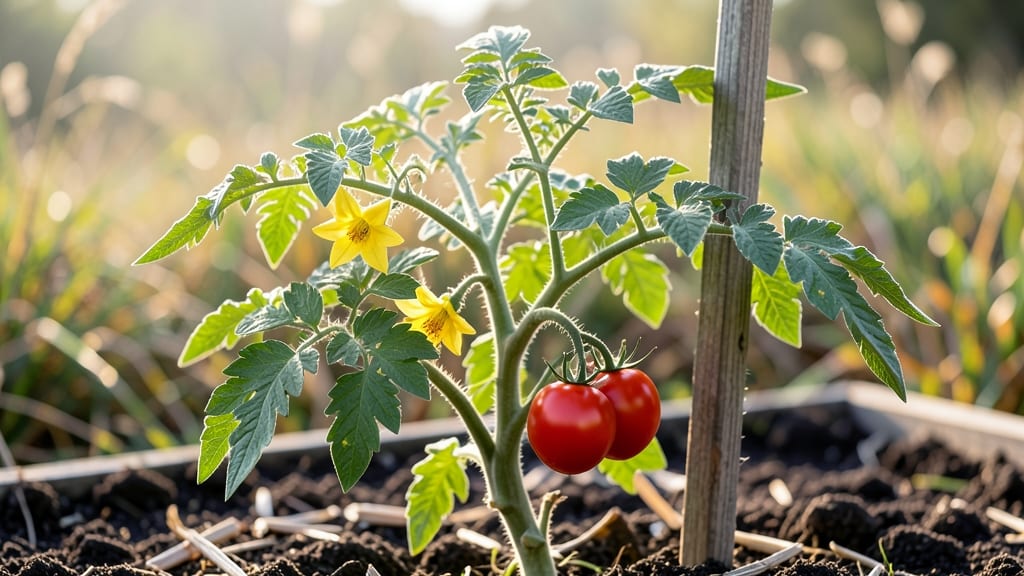
Tomato plants need full sun to thrive, but the truth about their light needs isn’t as simple as you might think—especially if you’re dealing with partial shade or unexpected heat waves.
If you’ve ever wondered why your 🍅 tomato plants seem stunted despite your best efforts, sun exposure might be the hidden culprit. Too little light leads to weak stems and poor fruit set, while too much can scorch leaves and stress the plant.
The key lies in finding that sweet spot where tomatoes grow strong yet stay healthy.
Most gardeners assume 8+ hours of direct sunlight is non-negotiable, but tomatoes can adapt to partial shade—with some trade-offs. Understanding how light affects growth, flavor, and yield helps you adjust your garden strategy without sacrificing harvests.
In this guide, I’ll break down the science behind tomato sunlight needs, how to spot signs of too much or too little light, and practical tips to maximize your yield—whether your garden gets full sun or just a few hours of morning rays.

How much sun do tomato plants Really Need for Optimal Growth?
Tomatoes are sun-hungry plants, but the 6+ hours of direct sunlight rule is just the starting point. Without enough light, your plants won’t just grow slowly—they’ll struggle to set fruit at all.
The science shows that photosynthesis slows dramatically below 5 hours of sun, leading to weak stems and poor yields. Even partial shade can trigger physiological changes, like reduced chlorophyll production, which directly impacts flavor and structural integrity.
Most gardeners assume "full sun" means all-day baking, but tomatoes actually prefer 6-8 hours of bright light with some afternoon relief. The key threshold is 4 hours of sun: below this, plants enter survival mode, prioritizing leaf growth over fruit production.
This explains why your neighbor’s tomatoes might look lush but never ripen—it’s not just about heat, but light intensity and duration.
| Sunlight Requirement | Daily Hours Needed | Growth Impact | Fruit Development |
|---|---|---|---|
| Full Sun (Ideal) | 6–8+ hours | Vigorous, sturdy stems | Abundant, flavorful fruit |
| Partial Sun (Tolerable) | 4–6 hours | Slower growth, leggy | Fewer fruits, poor flavor |
| Low Light (Critical) | <4 hours | Weak stems, yellow leaves | Almost no fruit set |
| Afternoon Shade | 6+ hours (morning sun) | Healthy growth, heat protection | Good yield, better flavor |
When tomatoes receive less than 5 hours of sun daily, their leaves turn pale yellow—a classic sign of chlorophyll deficiency. This isn’t just cosmetic; it means the plant can’t efficiently convert light into energy.
Studies show that leaf color shifts from deep green to yellow-green when sunlight drops below 4 hours, and this directly correlates with a 30-50% reduction in fruit set. Even if flowers appear, they often drop off before forming tomatoes.
The critical threshold for failure is 3 hours of sun or less. At this point, tomatoes shift their energy toward survival, producing more leaves and fewer flowers.
This explains why your container-grown tomatoes might look healthy but never produce—containers dry out faster, and root systems can’t compensate for light deprivation. The solution? Move them to a sunnier spot or choose shade-tolerant varieties like 'Stupice' or 'Black Krim'.
Interestingly, afternoon shade can actually benefit tomatoes in hot climates. When plants receive morning sun and afternoon shade, they avoid the stress of leaf scorch while still getting enough light for photosynthesis.
This is why many gardeners use dappled shade cloth (30-50% coverage) during peak afternoon heat. The trade-off? You might see 10-15% fewer tomatoes, but they’ll be sweeter and less prone to cracking.
For determinate varieties (bush tomatoes), the sun requirement is slightly more flexible—they’ll produce fruit even with 5 hours of sun, though yields drop. Indeterminate varieties (vining tomatoes), however, require 6+ hours daily to support their continuous growth habit.
If you’re growing indeterminates in partial shade, expect longer vines and fewer tomatoes, as the plant focuses energy on reaching light rather than fruiting.
One common misconception is that bright, indirect light (like near a window) is enough for container tomatoes. While this works for herbs, tomatoes need direct sunlight because the UV spectrum triggers key biochemical pathways for flavor development.
Without it, your tomatoes will taste bland and mealy—a telltale sign of light deficiency. To test your garden’s sunlight, use a sunlight tracker app or place a whiteboard where your tomatoes will grow; mark the sunniest spots for 6+ hours of direct rays.
If you’re dealing with partial shade from trees or buildings, focus on the brightest part of your garden. South-facing walls or fences reflect light, effectively doubling the effective sunlight hours.
For example, a spot with 3 hours of direct sun + 2 hours of reflected light might still work for determinate tomatoes. Just be prepared to prune aggressively to encourage upward growth toward light sources.
Remember, sunlight quality matters as much as quantity. Cloud cover reduces light intensity by 50-70%, so overcast days count less toward your tomato’s daily requirement. In regions with frequent cloud cover (like the Pacific Northwest), supplement with grow lights or choose shade-tolerant varieties.
The goal is 6-8 hours of full-spectrum light, not just any sunlight.
Finally, monitor your plants weekly for signs of sun stress or deficiency. Adjust their position if leaves start yellowing or stems become spindly. With the right
Signs your tomato plants aren’t getting enough (or too much) sunlight
Tomato plants are sun worshippers, but they can also suffer from too much of a good thing. When they don’t get 6–8 hours of direct sunlight daily, their growth stalls, and their fruit fails to develop properly.
On the flip side, intense afternoon sun can scorch leaves and stress the plant. Learning to read your tomato plants’ signals will help you adjust their environment before it’s too late.
One of the first signs of sunlight deficiency is pale, yellowing leaves, especially on the lower stems. This occurs when the plant stretches toward light, a condition called etiolation.
You’ll also notice weak, spindly stems that struggle to support heavy fruit. Even if flowers appear, they often drop off without setting fruit, leaving you with fewer tomatoes to harvest.
⚠️ callout warning ⚠️
Tomatoes need 6+ hours of direct sunlight daily—any less and growth suffers. Partial shade (3–5 hours) slows fruit production, while full shade (<3 hours) stunts the plant entirely. Too much sun (especially intense afternoon rays) causes leaf scorch and blossom drop.
💡 Quick Fix: Move plants to a sunnier spot immediately if leaves yellow or stems weaken. Use shade cloth (30–50%) to protect from harsh afternoon sun in hot climates.
If your tomato plants are getting too much sunlight, watch for crispy, brown edges on leaves, a condition called leaf scorch. This happens when the plant’s water supply can’t keep up with the evaporation rate on hot days.
You might also see blossoms falling off before they can turn into fruit—a classic sign of heat stress. The plant is essentially saying, “I’m too hot to focus on growing tomatoes!”
Another red flag is uneven ripening. When tomatoes receive inconsistent sunlight, some fruits may turn green or stay small while others ripen normally. This happens because the plant can’t evenly distribute energy.
If you notice green shoulders on red tomatoes, it’s a sign the fruit wasn’t exposed to enough light during development.
To diagnose the issue, observe your plants at different times of day. If they’re in a shady spot (e.g., under a tree or tall fence), they’re likely not getting enough sun.
Conversely, if leaves look wilted or bleached by midday, they’re probably getting too much direct heat. Adjust their location gradually—tomato plants prefer morning sun and afternoon shade in hot climates.
Don’t wait until your tomato plants are struggling to act. Monitor their sunlight exposure weekly, especially in early spring or late summer when sun angles shift. With the right balance, you’ll enjoy vibrant green foliage, abundant blossoms, and sweet, flavorful tomatoes all season long. 🌿☀️