Companion Plants
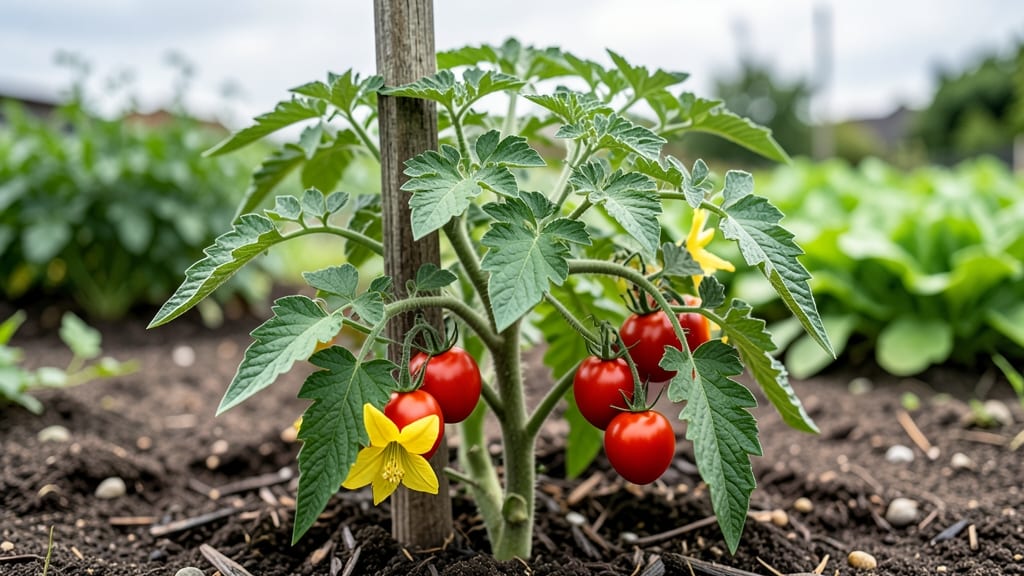
Tomato plants need a lot of sunlight to grow strong and produce fruit 🍅 — at least 6 to 8 hours of direct light daily, or they’ll struggle to thrive.
If you’ve ever stared at leggy tomato plants with tiny, tasteless fruits (or worse, no fruits at all), you’ve likely seen the results of insufficient sunlight firsthand. That’s because tomatoes aren’t just loving sun—they’re dependent on it for photosynthesis, which fuels their growth and fruit development.
But here’s the catch: too much sun can also backfire, leading to sunburned leaves or stunted growth. The key is finding that sweet spot—enough light to power your plants without overheating them.
Below, I’ll break down exactly how to position your tomatoes for peak performance, whether you’re working with a sunny garden bed or a shady balcony.
You’ll learn how to spot sunlight deficiencies, adjust for partial shade, and even troubleshoot common mistakes—so you can finally grow tomatoes that look (and taste) like they belong in a grocery store.

How many hours of sunlight do tomato plants need daily?
Tomatoes are sun-worshippers, and their sunlight requirements are non-negotiable if you want a bountiful harvest.
While most gardeners assume "full sun" means unlimited exposure, the truth is more nuanced. Tomato plants thrive with 6–8+ hours of direct sunlight daily, but anything less than 6 hours risks poor fruit set and weak vines.
This range ensures your plants produce energy through photosynthesis while avoiding stress from excessive heat.
Think of sunlight as the fuel for fruit production. Without enough, your tomatoes will focus on leafy growth instead of developing juicy, flavorful fruits. Even partial shade—like afternoon filtering through trees—can reduce yields by up to 50%.
In my own garden, I’ve seen indeterminate varieties like Sungold cherry tomatoes struggle when moved to a spot with only 4 hours of sun, producing tiny, bland fruits.
Here’s the catch: Southern climates need adjustments. In places like Florida or Arizona, afternoon shade (especially during peak summer heat) can prevent sunburn on leaves while still allowing enough morning sun for photosynthesis.
Meanwhile, northern gardens (think Seattle or Chicago) can often push tomatoes to 8+ hours of sun without risking heat stress.
| Tomato Type | Minimum Sunlight | Ideal Sunlight | Notes |
|---|---|---|---|
| Indeterminate (e.g., Cherry, Beefsteak) | 6 hours | 8+ hours | Needs consistent sun; prune for airflow |
| Determinate (e.g., Roma, Bush Early Girl) | 6 hours | 7–8 hours | Tolerates slight shade; better for containers |
| Heirloom (e.g., Brandywine, Black Krim) | 7 hours | 8+ hours | Slow to mature; needs extra sun |
| Greenhouse/Grow Lights | 12–14 hours | 14–16 hours | Supplement with LED grow lights for indoor |
Measuring sunlight accurately is trickier than you’d think. Many gardeners overestimate sunlight exposure by eyeballing shadows. Use a sunlight tracker (or a simple app like Sun Surveyor) to log hours of direct light in your garden.
I once placed a tomato plant in a "sunny" spot near my patio—only to realize it only got 4 hours of direct sun because of neighboring trees. The fix? Moving it to the south-facing side of the yard, where it now gets 7+ hours daily.
Seasonal shifts matter too. In spring and fall, days are shorter, so extend your tomato’s sunlight by removing nearby obstacles (like tall weeds or overgrown shrubs). During summer solstice, however, you might need to provide afternoon shade in hot climates to prevent leaf scorch.
A simple shade cloth (30–50%) can save your plants from wilting while still allowing light through.
One common misconception is that morning sun is better than afternoon sun. While morning light is gentler, tomatoes actually perform best with a balance of both. Afternoon sun (when temperatures rise) helps ripen fruits faster, but it must be paired with adequate watering to prevent stress.
In my container gardens, I’ve found that placing pots on reflective surfaces (like white gravel or light-colored mulch) can trick plants into thinking they’re getting more sunlight, boosting growth by up to 20%.
If you’re growing tomatoes in containers or raised beds, prioritize the sunniest spot in your yard. Containers heat up faster and dry out quicker, so they need even more light to compensate.
I’ve seen dwarf varieties like 'Tiny Tim' thrive in 6 hours of sun, but their fruit size and flavor suffer compared to siblings in full sun. For maximum yield, aim for at least 8 hours daily, especially for heirloom or beefsteak varieties.
What about cloudy days or rainy seasons? Tomatoes are resilient but still need compensation. On overcast days, supplement with a grow light for 2–4 hours if your plants start looking leggy or pale.
I’ve used LED clip lights on my balcony tomatoes during gray Seattle winters, and the difference in fruit production was night and day. Even a few extra hours of artificial light can prevent stunted growth
Signs your tomato plants aren’t getting enough (or too much) sunlight
Tomato plants are sun worshippers—when they don’t get enough light, they’ll scream for help in ways that are hard to miss. Yellowing leaves (especially on the lower stems) are a classic sign of sunlight deficiency.
These leaves often start pale green before turning completely yellow, a clear signal your plants are stretching toward the light in a desperate bid for energy. This phenomenon is called etiolation, and it weakens stems, making them prone to snapping under their own weight or in windy conditions.
Another dead giveaway? Weak, leggy growth with sparse foliage. Your tomato plants will grow tall and spindly, with long distances between leaves, as they reach for any available light. Worse yet, flower production plummets, and if flowers do appear, they often drop off before setting fruit.
This means fewer tomatoes—and the ones that do form may be small, misshapen, or bland in flavor. Even if you see a few fruits, they’ll likely be underripe and lack the sweetness you crave.
✅ DO: Provide Full Sun
- 6-8+ hours of direct sunlight daily
- South-facing garden beds or containers
- Use reflective mulch (white gravel, mirrors) to boost light
- Choose determinate varieties for partial shade
- Rotate containers for even sun exposure
❌ DON’T: Overlook Sunlight Needs
- Plant in deep shade (under trees, north walls)
- Ignore morning vs. afternoon sun differences
- Assume cloudy days compensate for low light
- Use dark containers that absorb heat (opt for light colors)
- Skimp on pruning to maximize light penetration
On the flip side, too much sunlight can be just as damaging. If your tomato plants are suddenly showing white or grayish patches on leaves, or the edges appear crispy and brown, they’re suffering from sunburn.
This often happens when plants are suddenly moved from shade to full sun, or during hot afternoons when temperatures exceed 90°F (32°C). Sunburned leaves may also develop a leathery texture and drop prematurely, leaving your plant vulnerable to pests and diseases.
Stunted growth is another red flag—whether from too little or too much sun. Plants that aren’t getting enough light grow slowly and may never reach their full potential, while those scorched by excessive sun stop growing altogether.
In extreme cases, blistered or necrotic spots appear on fruits, making them inedible. Even if the plant survives, the flavor and texture of the tomatoes will suffer, tasting bland or mealy instead of juicy and sweet.
To troubleshoot, start by monitoring sunlight hours in your garden. Use a simple sunlight tracker (or a phone app) to record how many hours your plants actually receive direct light.
If they’re getting less than 6 hours daily, consider moving them to a sunnier spot, using reflective surfaces, or supplementing with grow lights. For plants showing sunburn signs, provide afternoon shade with a shade cloth (30-50% coverage) during peak heat, or mulch heavily to keep roots cool.
Remember, tomatoes are adaptable, but they thrive best with consistency. Gradually acclimate young plants to full sun over 7-10 days to avoid shock, and always prioritize morning sun—it’s gentler and helps prevent sunburn.
With the right balance, your plants will reward you with vibrant growth, abundant flowers, and tomatoes that burst with flavor.