
Vegetables
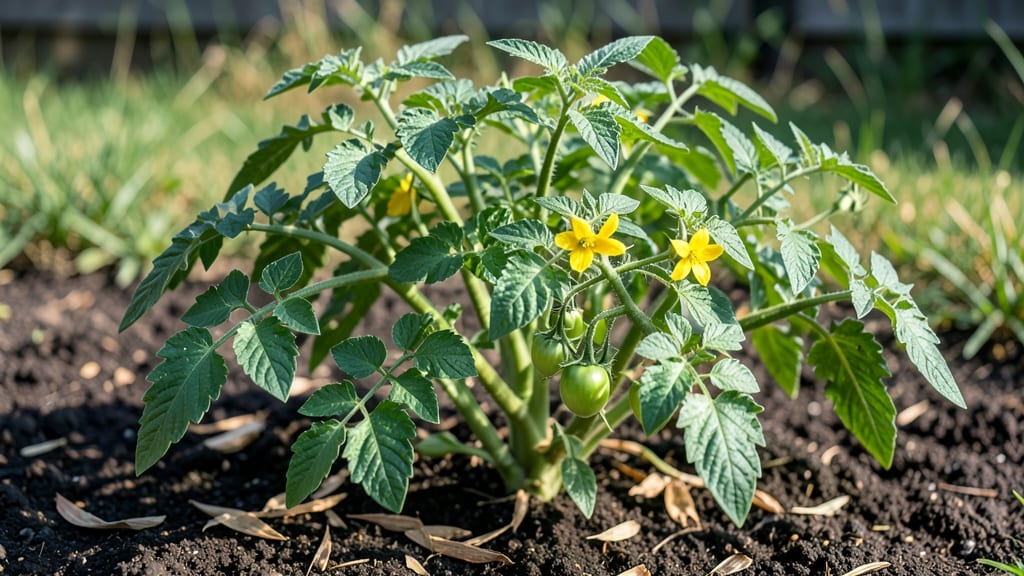
Growing Candyland tomato seeds means bold red harvests that taste like summer in every bite. 🌱 I fell for this heirloom after tasting its sweet, juicy fruit at a farmer's market—now I grow it every season for its unmatched flavor and striking color.
The key lies in starting seeds early and giving them the right conditions to thrive from day one.
These tomatoes love full sun and well-draining soil rich in organic matter. Plant seeds indoors 8-10 weeks before your last frost, then transplant seedlings after temperatures stay above 55°F at night.
Spacing matters too—give each plant 18-24 inches of room to avoid crowding, which can spread disease and limit fruit production.
By mid-summer, you'll be picking heirloom-quality tomatoes that burst with sweetness. The plants are disease-resistant but watch for blight—prune for airflow and mulch to keep soil moist. Harvest when fruit turns deep red and feels firm to the touch, then enjoy fresh or preserve the harvest for winter.
Pair Candyland with basil, onions, or marigolds to boost flavor and deter pests. In cooler climates, extend the season with row covers. The payoff? A reliable harvest of tomatoes so vibrant and delicious, your neighbors will ask for seeds too.
📚 In This Guide
- What you need
- Instructions
- Tips and common mistakes
- Wrapping up and next steps
What you need
- ● Candyland tomato seeds: 1 packet (contains ~50 seeds)
- ● Seed-starting mix: 1 bag (sterile, well-draining, and peat-based or coco coir blend)
- ● Seed trays or small pots: 6–12 (2–3 inch pots or a 1020 tray)
- ● Grow lights or sunny windowsill: 1 (LED grow lights are ideal for 12–16 hours/day)
- ● Watering can or spray bottle: 1 (with a fine mist setting)
- ● Plant labels or markers: 6–12 (to track seedling progress)
- ● Fertilizer: 1 bottle (balanced liquid fertilizer, 10-10-10 or organic option like fish emulsion)
- ● Transplanting pots (5–6 inch) or garden space: 6–12 (for seedlings after hardening off)
- ● Heating mat (for faster germination, especially in cooler climates)
- ● Humidity dome or plastic wrap (to retain moisture during germination)
- ● Stakes or cages (3–4 ft tall, for indeterminate Candyland vines)
- ● Mulch (straw or black plastic, to retain soil moisture and suppress weeds)
- ● pH test kit (to ensure soil pH is 6.0–6.8, ideal for tomatoes)
Instructions for growing Candyland tomato plants from seed
Here's my battle-tested approach to coaxing those vibrant red Candyland tomatoes from tiny seeds to robust vines.
🌱 Step 1: Prepare Containers and Sow Seeds at the Right Depth
Start with biodegradable seedling pots (4 per serving) filled with sterile seed-starting mix. Press the mix down gently until firm but not compacted—you want roots to push through easily. I like to make a small hole with my finger about ¼ inch deep, then drop 2-3 seeds into each pot. Planting too deep delays germination, while shallow planting risks drying out the seeds.
Cover the seeds lightly with a thin layer of mix, then mist gently with water until the surface looks evenly damp. The key here is moisture without saturation—you should see water bead on the surface but not pool. Place the pots in a warm spot (75-85°F) where they won't get disturbed. I use a seedling heat mat under my kitchen counter, which keeps the soil consistently warm without extra effort.
💧 Step 2: Create Ideal Germination Conditions
Cover the pots with a clear plastic dome or plastic wrap to trap warmth and humidity. This isn't just about moisture—it's about creating a mini greenhouse effect that speeds germination. Check daily for condensation on the dome; if it's dry, mist the soil lightly. You'll see the first sprouts in 7-14 days, though some seeds may take up to 21 days—patience is key here.
Once 50% of seeds have sprouted, remove the dome immediately. Leaving it on too long creates ideal conditions for damping-off, a fungal disease that collapses seedlings overnight. Thin to the strongest seedling per pot, snipping the others at soil level with clean scissors. This prevents overcrowding and gives the remaining plant room to develop strong roots.
☀️ Step 3: Provide Proper Light and Nutrients for Seedlings
Move seedlings to a south-facing window or under grow lights providing 14-16 hours of light daily. Natural light alone rarely suffices, so I use a full-spectrum LED light kept 2-4 inches above the plants. Watch for leggy growth—thin, stretched stems with large gaps between leaves—this means your light is too far away or too weak. Adjust immediately to prevent permanent weakness.
When the first true leaves appear (the second set after the initial seed leaves), fertilize with a balanced liquid fertilizer diluted to half strength. Candyland tomatoes respond well to regular feeding, but don't overdo it—young plants can't handle full-strength nutrients. Water from the bottom to encourage deep root growth, keeping the soil consistently moist but never soggy.
🪴 Step 4: Harden Off and Transplant
Two weeks before your last frost date, begin hardening off seedlings by placing them outside in a sheltered spot for 1-2 hours the first day. Gradually increase exposure over 10-14 days, moving them to full sun by day 7. This gradual transition prevents transplant shock, which can stall growth for weeks. Look for leaves that stay crisp and green—not wilted or yellowed—as your signal everything's progressing well.
Transplant to the garden after all danger of frost has passed, spacing plants 18-24 inches apart in rows 3 feet apart. Bury stems deeper than they were in pots—up to ⅔ of the plant's height—to encourage strong root development. Water deeply at transplanting to settle the soil and reduce stress. The Candyland variety thrives with support, so install sturdy cages or stakes immediately to prevent sprawling.
Tips & tricks for growing Candyland tomato plants from seed
Real talk: Growing Candyland tomatoes from seed is a game-changer for home gardeners—here's how to avoid the pitfalls I learned the hard way.
Germination Environment: The 75-85°F temperature range in Step 1 is non-negotiable for consistent germination. I've found that placing pots on a seedling heat mat under fluorescent lights creates the perfect balance of warmth and light. If your kitchen runs cooler, consider using a simple incandescent bulb (40-60 watts) as a supplementary heat source—just keep it 6 inches away to avoid overheating.
Lighting Strategy: Those 14-16 hours of light in Step 3 are critical for preventing leggy seedlings. I recommend using a timer for your grow lights to automate this—Candyland tomatoes need reliable light cycles to develop strong stems. If you're using a south-facing window, rotate pots daily so all sides get equal exposure, preventing plants from leaning toward the light source.
Thinning Technique: When you reach the 50% sprout threshold in Step 2, use sharp, clean scissors to snip seedlings at soil level rather than pulling. This minimizes root disturbance to your remaining plants. I've seen gardeners accidentally pull entire seedlings by their stems, which can uproot the desired plant too. Take your time—this is where you set the foundation for strong, healthy vines.
Transplanting Depth: Burying stems up to ⅔ their height in Step 4 might seem counterintuitive, but it encourages robust root development along the buried stem. This technique works particularly well for Candyland tomatoes, which develop extensive root systems. Just be sure to water deeply after transplanting to help settle the soil around those buried stems and reduce transplant shock.
Pro Tips for Candyland Tomato Seeds
- Real talk: Growing Candyland tomatoes from seed is a game-changer for home gardeners—here's how to avoid the pitfalls I learned the hard way.
- Germination Environment: The 75-85°F temperature range in Step 1 is non-negotiable for consistent germination.
- Lighting Strategy: Those 14-16 hours of light in Step 3 are critical for preventing leggy seedlings.
Frequently asked questions
Got questions about growing Candyland tomatoes?
You’re not alone! Here are answers to the most common queries to help you grow this vibrant variety with confidence.
When is the best time to plant Candyland tomato seeds?
Start seeds indoors 6-8 weeks before your last frost date (typically March-April in most climates). Transplant seedlings outdoors after soil reaches 60°F+ and nighttime temps stay above 50°F. For warmer zones, direct-sow seeds in early spring or late summer for a fall harvest.
How long does it take for Candyland tomatoes to produce fruit?
Expect 70-85 days from transplanting to harvest. Early blooms may drop if nights are chilly (<55°F), so use row covers or wait for warmer weather. Patience pays off—these beauties are worth the wait!
What should I do if my Candyland tomato plants stop flowering?
Common causes include heat stress (above 90°F), overwatering, or nutrient imbalances. Try these fixes:
- Provide afternoon shade during heatwaves.
- Ensure consistent moisture (1-2 inches/week).
- Fertilize with a balanced 10-10-10 or tomato-specific feed.
Can I grow Candyland tomatoes in containers? Yes!
Use a 5-gallon+ pot with drainage holes and fill with lightweight potting mix. Stake or cage plants early—Candyland’s vines can sprawl! Place in full sun (6+ hours/day) and fertilize weekly with liquid tomato food. Container-grown tomatoes often ripen faster too!
What’s a good alternative if Candyland seeds are unavailable?
Try these bold red heirloom varieties with similar vibrancy:
- Brandywine – Classic, meaty slices.
- Cherokee Purple – Deep red-purple hue.
- Sun Gold – Sweet, orange-red cherry tomatoes.
Wrapping up and next steps
Growing Candyland tomato seeds is a rewarding journey that brings bold, sweet flavors to your table! With the right care—sunlight, soil, and patience—you’ll soon enjoy a bountiful harvest of vibrant red tomatoes. Whether you’re a beginner or seasoned gardener, these tips will set you up for success.
Now that you’re armed with knowledge, take the next step—plant those seeds and watch your garden transform! 🌱 Share your progress or harvest tips with fellow gardeners, and don’t forget to savor every juicy bite. Happy growing!