
Neem Oil
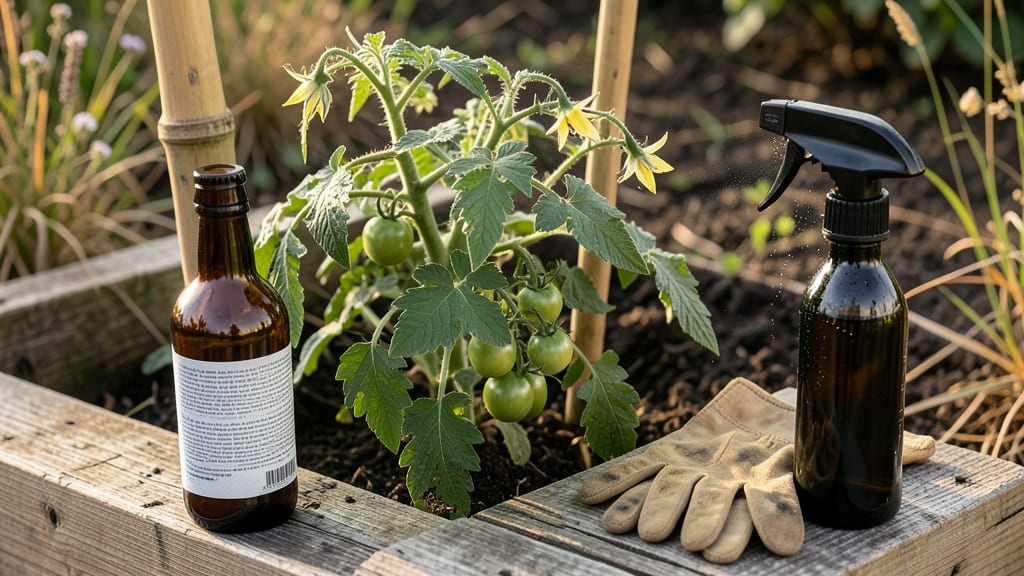
Yes, you can put neem oil on tomato plants to control pests like aphids and whiteflies, but only when they're not flowering or fruiting to protect pollinators and fruit development. Always use a diluted solution and apply it in the evening for best effectiveness.
Neem oil works as a natural insecticide because it contains azadirachtin, a compound that disrupts pests' feeding and reproduction cycles. 🌿 When applied correctly, it targets soft-bodied insects like aphids and whiteflies without harming the tomato plants themselves.
The key is timing—spraying before flowering prevents harm to bees and other beneficial pollinators while ensuring the oil doesn't interfere with fruit formation.
For best results, mix 1 teaspoon of neem oil per quart of water with a drop of dish soap as an emulsifier. Apply using a spray bottle in the early evening when bees are less active, and avoid spraying on hot days to prevent leaf burn.
Reapply every 7-14 days or after rainfall, as neem oil breaks down quickly in sunlight.
💡 In This Article
- How Neem Oil Works on Tomato Plant Pests
- Step-by-Step Neem Oil Application Guide for Tomatoes
How neem oil works on tomato plant pests
Neem oil's effectiveness against tomato pests like aphids and whiteflies comes from its active compound, azadirachtin, which acts as a natural insect growth regulator. This compound disrupts the insects' feeding patterns and hormone systems, preventing them from maturing properly.
When aphids ingest neem-treated leaves, their digestive systems become compromised, leading to starvation and death within 24-48 hours. The oil also repels pests by coating plant surfaces with a bitter taste they avoid.
The botanical mechanism is fascinating: azadirachtin mimics insect hormones, causing premature molting or sterility in pests. For example, whiteflies exposed to neem oil often fail to reproduce, breaking their life cycle. Meanwhile, tomato plants remain unharmed because their waxy leaf surfaces repel the oil when applied correctly.
The key is using a 1% dilution ratio (1 teaspoon per quart of water)—too strong concentrations can damage plant cells, while proper dilution ensures the oil targets only soft-bodied insects.
Timing matters because neem oil's residue breaks down quickly in sunlight (within 24 hours), making evening applications most effective. Spraying during flowering or fruiting risks harming pollinators like bees, whose waxy exoskeletons aren't protected.
The oil's natural odor also attracts beneficial insects, so applying it after sunset when bees are inactive minimizes collateral damage while maximizing pest control.
What most gardeners don't realize is how neem oil's secondary compounds work together. Salannin and nimbin in neem act as fungicides, preventing secondary infections from pest damage.
This dual action makes neem oil particularly valuable for tomato plants, which are prone to both insect attacks and fungal diseases like early blight. The oil's ability to penetrate leaf surfaces also helps treat hidden pests like spider mites, which thrive on the undersides of leaves.
For visual learners, imagine tiny aphids trying to feed on a tomato leaf: the neem oil creates a microscopic barrier that disrupts their mouthparts while the azadirachtin sends chemical signals that confuse their reproductive cycles. 🌱 This dual approach explains why neem oil often works where synthetic pesticides fail—it attacks pests on multiple fronts without developing resistance.