
Plants
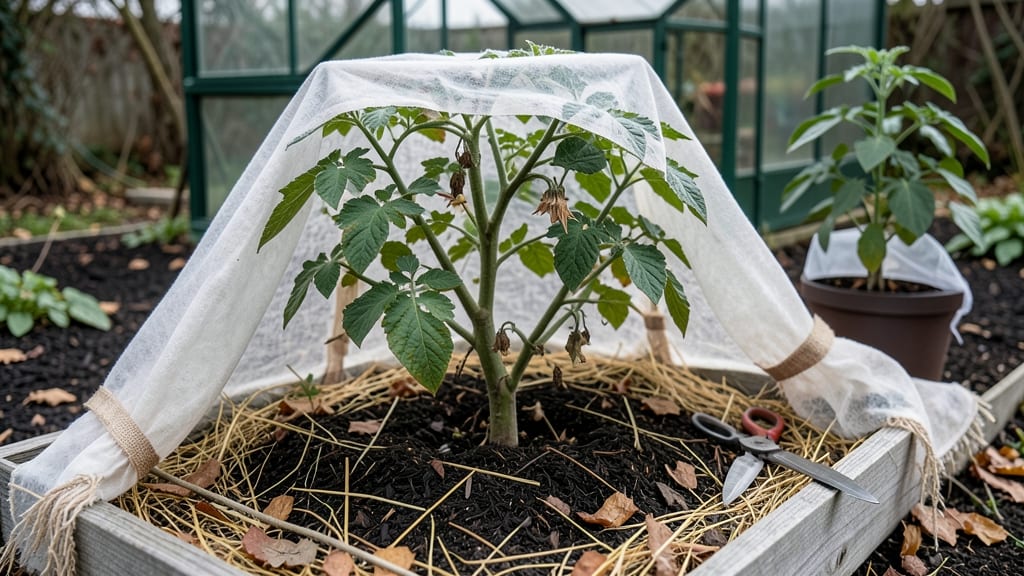
You can over winter tomato plants with proper care, extending their life cycle for earlier and more robust fruit production next season. Select healthy plants, use containers for mobility, provide bright light, and maintain consistent moisture and warmth to prevent stress.
Overwintering tomato plants isn't just possible—it's a game-changer for gardeners eager to jumpstart their next growing season. 🌱 The key lies in mimicking ideal conditions: bright, indirect light (grow lights work well), temperatures between 60-70°F, and humidity levels above 50%.
I've found that dwarf or determinate varieties adapt best to indoor conditions, while larger indeterminate types may struggle with space constraints. The goal is to keep them dormant but alive until spring, when they'll reward you with stronger growth and earlier fruit.
What many gardeners overlook is the importance of gradual transition when moving plants back outdoors. Hardening off over 7-10 days—exposing them to increasing sunlight and cooler temps—prevents shock. I also recommend pruning back any leggy growth before overwintering to redirect energy toward root development.
With the right approach, your tomato plants can survive winter and come back even more productive than before!
💡 In This Article
- How to Successfully Overwinter Tomato Plants Indoors
- Best Practices for Reviving Tomato Plants After Overwintering
How to successfully overwinter tomato plants indoors
The foundation of overwintering tomato plants starts with selecting the right variety. Dwarf or determinate types like 'Tiny Tim' or 'Patio Princess' thrive indoors because their compact size (typically 2-3 feet tall) fits well in standard containers.
Indeterminate varieties, which grow continuously, often outpace indoor conditions and require more aggressive pruning. The key is choosing plants that are healthy but not overgrown—look for stems with 3-4 main branches and minimal signs of disease like brown spots or yellowing leaves.
Light is the most critical factor for indoor survival, and tomatoes demand 12-16 hours of light daily. Grow lights (LED or fluorescent) are ideal because natural winter sunlight is weak and insufficient. Position lights 6-12 inches above the plants and use full-spectrum bulbs that mimic sunlight's spectrum.
Without enough light, plants stretch unnaturally (a condition called etiolation), becoming leggy and weak. I've seen plants grow 2 feet taller in just 4 weeks when light is inadequate—a clear sign of stress that can be fatal during winter.
Temperature control is equally vital, with an ideal range of 60-70°F during the day and 55-60°F at night. Below 50°F, growth slows dramatically, while above 75°F encourages rapid (but weak) growth. Use a small space heater or heat mat if needed, but avoid drafts near windows or doors.
Humidity is often overlooked but crucial—tomatoes prefer 50-70% humidity. A simple humidifier or pebble tray beneath the container can prevent leaf curl and wilting, which are common signs of dry air stress.
Container selection matters too. Choose pots with drainage holes and a diameter of at least 12 inches to accommodate root growth. I recommend using a well-draining potting mix with added perlite or vermiculite to prevent compaction. Overcrowded roots lead to disease and poor nutrient uptake.
Watering becomes a delicate balance—keep soil evenly moist but not soggy. Stick your finger 1 inch deep into the soil; if it feels dry, water thoroughly until it drains from the bottom. Overwatering is a common mistake that causes root rot, especially in cooler indoor environments.
Pests are another silent threat. Spider mites and aphids thrive in dry indoor air, so inspect plants weekly. A strong spray of water or neem oil can deter them early.
I've found that placing plants near an open window (with screens) for 10-15 minutes daily helps ventilate the area and discourages infestations. Finally, fertilize lightly every 4-6 weeks with a balanced, water-soluble fertilizer (like 10-10-10) to maintain plant health without overstimulating growth in low-light conditions.
One advanced technique I've used is "dormancy training." As temperatures drop below 55°F in late fall, reduce watering slightly and stop fertilizing to encourage a natural rest period.
This mimics winter conditions and helps plants conserve energy. Most overwintered tomatoes will show new growth by late winter, signaling they're ready for the transition back outdoors.