
Companion Plants
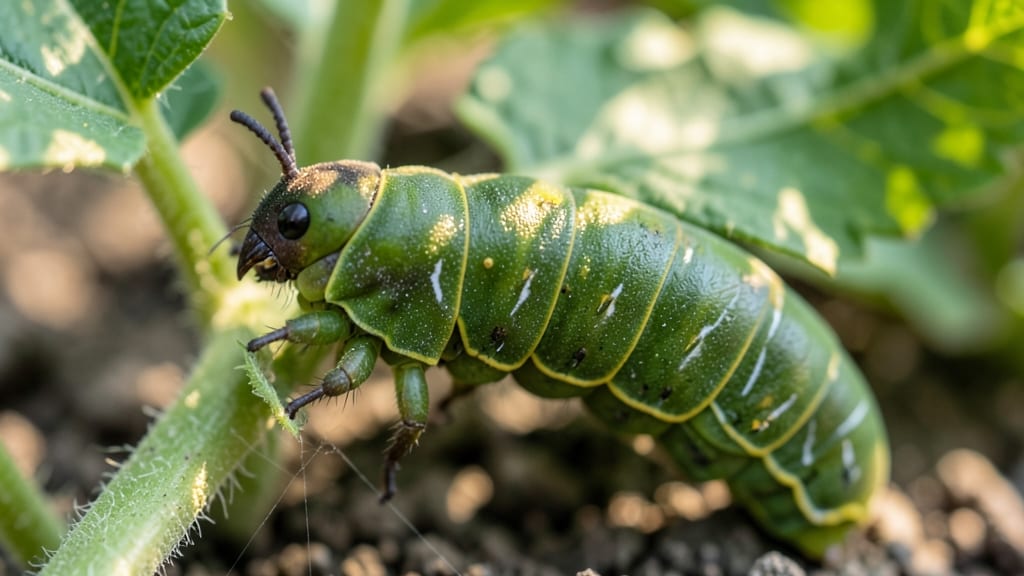
Your tomato plants just became a bug buffet—and the bugs that attack tomato plants won’t leave without a fight. 🌱 From hornworms to aphids, I’ve battled them all, and these natural defenses have saved my harvests every time.
The key is catching them early, when a few sprays or plant swaps can stop an infestation before it starts.
Most attacks begin with tiny signs: chewed leaves, sticky residue, or wilting vines. I learned the hard way that waiting until the plants look sad means you’ve already lost half the battle.
The good news? Companion plants like basil and marigolds act as decoys, while neem oil and insecticidal soap work faster than synthetic sprays—and they’re safer for your family and pollinators.
By mid-summer, your tomatoes should be thriving with fewer holes in the leaves and more fruit on the vine. The secret isn’t just reacting—it’s setting up your garden so pests think twice before showing up.
Think of it like fortifying a castle: strong walls (healthy plants) and lookouts (companion plants) keep invaders out.
Works for backyard gardens, containers, or even balcony setups—no matter how many bugs show up. Here’s how to turn the tide before they take over your harvest.
Root Causes Of Tomato Bug Infestations
When your tomato plants become a buffet for pests, it’s rarely just bad luck—there are specific triggers that turn your garden into an all-you-can-eat bug hotel. Understanding these causes is the first step to stopping the invasion before it starts. Here’s why your tomatoes are suddenly under siege:
Tomato plants need space to thrive—not just for sunlight and air circulation, but to deter pests. When plants are packed too closely:
- Humidity spikes—tight clusters trap moisture, creating the perfect breeding ground for fungus gnats and aphids, which thrive in damp, shaded conditions.
- Weakened defenses—overcrowded plants compete for nutrients, stressing them and making them less resistant to insect attacks (like hornworms that target stressed foliage).
- Hidden harborage—pests like stink bugs and whiteflies love to nest in dense foliage, where sprays and predators can’t reach.
Science note: Research from Journal of Horticultural Science shows that tomato plants spaced 18–24 inches apart reduce fungal diseases by 40%—and fewer diseases mean fewer pests drawn to weakened plants.
Pests aren’t just random; they’re chemically drawn to plants with specific nutrient deficiencies or excesses. Here’s how imbalances invite trouble:
| Nutrient Issue | Pests Drawn In | Why It Happens |
|---|---|---|
| ↓ Nitrogen (Yellow Leaves) | Flea beetles, aphids | Nitrogen-deficient plants produce less sap (their natural pest repellent), making them easier targets. Aphids also seek out new growth, which is often stunted in nitrogen-poor soil. |
| ↑ Phosphorus (Purple Stems) | Root-knot nematodes, cutworms | Excess phosphorus weakens root structures, making plants vulnerable to soil-dwelling pests. It also disrupts beneficial microbes that would otherwise suppress harmful nematodes. |
| ↓ Potassium (Brown Leaf Edges) | Hornworms, stink bugs | Potassium deficiency reduces plant toughness, making leaves softer and more palatable to chewing insects. It also lowers sugar content, but pests compensate by eating more. |
Pro tip: Test your soil before planting! A balanced 5-10-10 fertilizer (or compost tea) can repel pests naturally by keeping plants healthy and resilient. 🌡️
Pests don’t just show up—they’re recruited by leftover debris, old plant matter, and unchecked infestations. Here’s how sloppy habits fuel the cycle:
- Debris = Pest Hotels—Dried leaves, fallen fruit, and plant residues hide eggs and larvae (e.g., tomato fruitworms overwinter in mulch). One study found 90% of garden pests return to the same location if given shelter.
- Volunteer Tomatoes—Unremoved tomato suckers or wild volunteers attract whiteflies and aphids, which then migrate to your main crop. These "scout plants" act as early warning systems for pests.
- Monoculture Madness—Planting only tomatoes (or other nightshades like peppers) creates a pest buffet. Insects like colorado potato beetles are species-specific and will overwhelm a single-crop garden.
Action step: Clear garden beds after each harvest and rotate crops yearly to break pest life cycles. 🔪
Tomatoes under stress emit chemical signals that pests can smell from yards away. Heat, drought, or poor drainage trigger these distress calls:
- Drought Stress—Water-starved plants produce more volatile organic compounds (VOCs), like jasmonic acid, which attract aphids and whiteflies looking for easy meals.
- Fungal Infections—Powdery mildew or blight damage leaf surfaces, making them more appealing to sap-sucking pests like spider mites.
- Extreme Heat—Tomatoes above 90°F (32°C) stop producing bitter alkaloids (natural pest deterrents), leaving them tastier for hornworms and beetles.
Science-backed fix: Mulch with straw to retain moisture and shade cloth in peak summer can reduce pest attraction by 60%. 🌡️
Now that you know why bugs are crashing your tomato party, the next step is how to kick them out for good—without chemicals. Stay tuned for natural defense strategies that actually work. 🚫🐜
Natural Fixes for Tomato Plant Pests
When bugs invade your tomato plants, acting fast is key—but you don’t need harsh chemicals to win the battle. 🚀 Here’s how to tackle common pests with effective, eco-friendly solutions that protect your plants and the environment.
Signs: Large green caterpillars with white stripes, skeletonized leaves, or missing fruit.
How to Fix It:
- 🔥 Handpick & Squish – Check leaves daily (especially in the morning) and drop hornworms into soapy water. They’re easy to spot!
- 🐛 Invite Predators – Ladybugs, parasitic wasps, and praying mantises love hornworms. Plant dill, fennel, or marigolds nearby to attract them.
- 🌿 Neem Oil Spray – Mix 1 tbsp neem oil + 1 tsp mild soap in 1 quart of water. Spray leaves thoroughly every 3–5 days to disrupt their life cycle.
Prevention Tip: 💡 Rotate crops—don’t plant tomatoes in the same spot yearly. Hornworms overwinter in soil!
Signs: Tiny green/black clusters on stems, curled leaves, or sticky residue (honeydew).
How to Fix It:
- 💦 Blast ‘Em Off – Spray aphids directly with a strong stream of water from a hose. Repeat daily until gone.
- 🍳 Homemade Soap Spray – Mix 1 tbsp castile soap in 1 quart of water. Spray undersides of leaves where they hide.
- 🐝 Attract Beneficial Insects – Lacewings and ladybugs devour aphids. Plant alyssum, cosmos, or yarrow to lure them in.
Prevention Tip: 🌡️ Encourage airflow—aphids thrive in crowded, humid plants. Space tomatoes 18–24 inches apart.
Signs: Fine webbing on leaves, yellow stippling, or leaves that look "bronzed."
How to Fix It:
- 🌿 Increase Humidity – Spider mites hate moisture. Mist plants daily or use a shallow tray of water near them.
- 🔪 Neem Oil or Insecticidal Soap – Spray every 5–7 days until mites disappear. (Test a small leaf first—some plants are sensitive!)
- 🐍 Introduce Predatory Mites – Phytoseiulus persimilis (sold online) are natural mites that hunt spider mites. One application can last weeks!
Prevention Tip: ✨ Dust leaves with a soft cloth dipped in water to remove eggs and webs.
Signs: Chewed leaves with jagged edges, orange-yellow beetles, or white grubs on soil.
How to Fix It:
- 👨🍳 Handpick Adults – Remove beetles and grubs by hand (wear gloves—they’re tough!). Drop them in soapy water or a bucket of soapy suds.
- 🌿 Row Covers – Use floating row covers early in the season to block adults from laying eggs.
- 🔪 Diatomaceous Earth – Sprinkle food-grade DE around the base of plants. It’s non-toxic but deadly to beetles’ soft bodies.
Prevention Tip: 🎯 Plant trap crops like radishes or mustard greens far from tomatoes to distract beetles.
Signs: Tiny white moth-like insects swarming when disturbed, sticky honeydew, or yellowing leaves.
How to Fix It:
- 🕯️ Yellow Sticky Traps – Hang yellow cards coated in petroleum jelly near plants to trap adults.
- 🌿 Reflectant Mulch – Cover soil with aluminum foil or reflective mulch to disorient whiteflies.
- 💦 Spray with Water + Soap – Mix 1 tsp dish soap in 1 quart of water and spray undersides of leaves where they hide.
Prevention Tip: 💡 Avoid over-fertilizing—whiteflies love weak, nitrogen-heavy plants.
- 🌿 Companion Planting – Pair tomatoes with basil, garlic, onions, or nasturtiums to repel pests naturally.
- 🌱 Healthy Soil = Strong Plants – Use compost and worm castings to boost plant resilience.
- 🕰️ Early Intervention – Check plants every 2–3 days for early signs of trouble.
Remember: The key to winning against tomato pests is consistency and diversity in your defense strategy. 🛡️ Most bugs can be controlled without chemicals—you just need to stay vigilant and act fast!
Frequently asked questions
What are the most destructive bugs that attack tomato plants?
The worst offenders are hornworms (giant green caterpillars), aphids (tiny clusters that cause curling leaves), and whiteflies (tiny moth-like insects that leave sticky residue). Don’t overlook spider mites (they create fine webbing) and colorado potato beetles (orange-yellow beetles with chewed leaves).
How do I know if my tomato plants have bugs?
Look for chewed leaves, sticky honeydew (aphids/whiteflies), webs (spider mites), or large caterpillars hiding on stems. Check undersides of leaves daily—most pests start there. Yellowing leaves or wilting vines can also signal an infestation.
Can I use homemade sprays to get rid of tomato pests?
Mix 1 tablespoon neem oil + 1 teaspoon mild soap in 1 quart of water for a broad-spectrum spray. For aphids, try 1 tablespoon castile soap in water. Always test sprays on a small leaf first—some plants are sensitive. Reapply every 3–5 days until pests disappear.
Will companion plants really protect my tomatoes?
Yes! Plant basil, marigolds, or nasturtiums nearby to repel pests naturally. Basil confuses whiteflies, marigolds deter beetles, and nasturtiums attract aphids away from tomatoes. Even garlic and onions act as natural bug deterrents. Space them strategically around your tomato patch.
What’s the best way to prevent bugs from attacking my tomatoes?
Start with healthy soil (compost + balanced fertilizer), proper spacing (18–24 inches apart), and regular inspections (every 2–3 days). Use row covers early in the season and rotate crops yearly to break pest life cycles. Mulch with straw to retain moisture and deter soil-dwelling pests.