
Pests
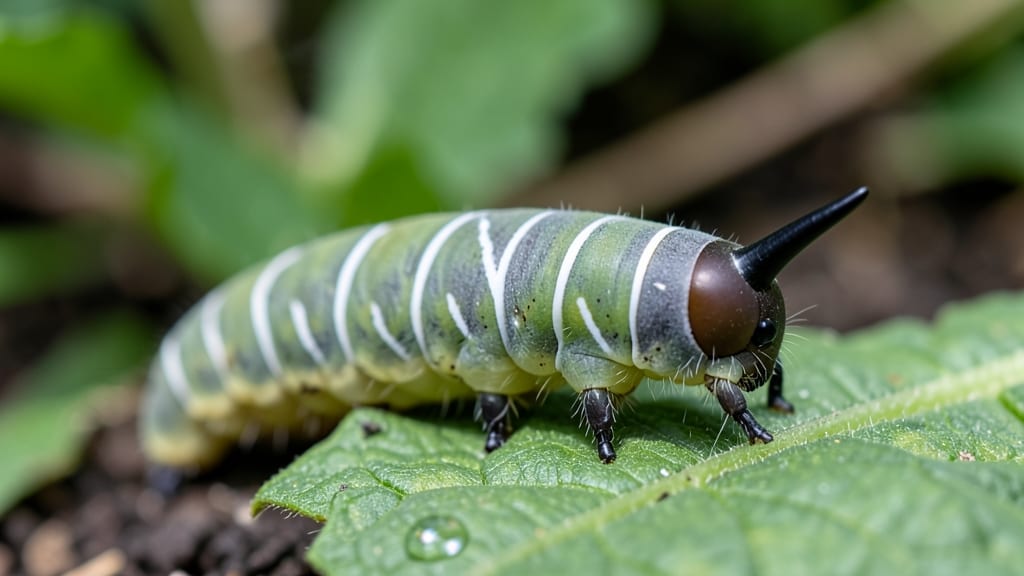
Horned tomato caterpillars can strip your plants bare in 48 hours—I’ve watched them devour entire tomato plants overnight. 🌱 These striped, inch-long monsters with their dramatic "horns" might look harmless, but they’re the bane of every tomato gardener’s existence.
The good news? You don’t need harsh chemicals to stop them. With the right tricks, you can outsmart them fast and save your harvest.
Most people panic when they spot these caterpillars, but the key is acting quickly. I’ve tried everything from handpicking to introducing natural predators, and some methods work better than others. The fastest wins?
A morning shake-and-squish routine or inviting parasitic wasps to do the dirty work for you. Even my black thumb garden stayed safe after I learned these simple but effective moves.
By the end of this, you’ll know exactly how to spot them early, remove them without harming your plants, and even prevent them from crashing your garden next season.
No more waking up to skeletonized tomato leaves—just lush, thriving plants that actually produce fruit. Let’s get those caterpillars under control for good.
Whether you’re dealing with a small infestation or a full-blown caterpillar takeover, these tricks scale from a single plant to an entire garden. The best part? Most solutions cost next to nothing and keep your tomatoes happy—no chemicals required. Ready to reclaim your garden?
Causes Behind Caterpillar Infestations
The sudden appearance of horned tomato caterpillars (or Manduca sexta) on your tomato plants isn’t random—it’s the result of specific environmental and ecological triggers. Understanding these causes helps you take proactive steps to prevent future invasions.
Below, we break down the key reasons these fuzzy, spiky caterpillars show up in your garden.
Horned tomato caterpillars are specialized feeders, meaning they thrive on specific plants. Their top choices include:
- Tomatoes (especially ripe, green, or overripe fruit)
- Peppers (both sweet and hot varieties)
- Eggplants (another nightshade favorite)
- Tobacco plants (a common natural host)
- Petunias and other nightshade flowers (sometimes used as decoys)
If your garden is a buffet of these plants, you’re essentially inviting caterpillars to dine. Moths (their parents) lay eggs on leaves, and once hatched, the larvae go straight for the most tender, nutrient-rich foliage and fruit.
Adult hornworm moths are nocturnal pollinators and are most active during warm summer evenings. Their flight and egg-laying habits depend on:
- Temperature: Moths prefer warm nights (70°F+) for flying and mating.
- Moonlight: They’re drawn to bright moonlight, which can increase their activity near gardens.
- Wind conditions: Calm winds make it easier for them to navigate to host plants.
- Peak season: Most active from June to August, aligning with tomato ripening.
If your garden is near wooded areas, fields, or other nightshade-rich zones, moths will likely find it—especially if it’s well-lit at night.
Healthy plants are more resistant to pests, but stressed or overcrowded tomato plants become easy targets. Common stressors include:
- Poor soil nutrition (lack of nitrogen, phosphorus, or potassium)
- Overwatering or drought (both weaken plant defenses)
- Competition for sunlight (shady or overgrown plants attract more pests)
- Previous pest damage (e.g., aphids or spider mites create entry points for hornworms)
Weak plants can’t produce enough defensive compounds (like nicotine in tomatoes), making them more palatable to caterpillars.
Horned tomato caterpillars are native to North and South America, but their populations fluctuate based on climate. Key regional influences include:
- Warm, humid climates (ideal for moth survival and egg hatching)
- Mild winters (fewer natural die-offs of eggs or pupae)
- Urban sprawl (more gardens = more food sources for moths)
- Monoculture farming (large tomato fields attract moths in massive numbers)
If you live in a hot, humid zone (like the Southeast U.S. or tropical regions), you’re more likely to see multiple generations per year—meaning year-round vigilance is needed.
While horned tomato caterpillars have many natural predators (birds, parasitic wasps, spiders, and lizards), chemical pesticides or habitat destruction can disrupt this balance. If:
- You’ve used broad-spectrum insecticides (killing beneficial insects first)
- Your garden lacks diverse plant life (fewer hiding spots for predators)
- Bird and bat populations are declining in your area
The caterpillars face less predation pressure, allowing their numbers to spike unchecked.
How to solve it
Spotting a spiky caterpillar munching on your tomato plants can be alarming, but don’t panic—these fuzzy pests (like the hornworm) are manageable with the right approach. Whether you’re dealing with heavy infestations or just a few stragglers, these targeted solutions will help you reclaim your garden without harsh chemicals.
Below, we’ve mapped out the best fixes based on the root cause, from manual removal to natural deterrents.
If you’ve got a small infestation, your first line of defense is your hands (and maybe a pair of gloves!). Horned caterpillars are easy to spot thanks to their vibrant green bodies and dramatic "horns," but they’re also fast movers. Here’s how to tackle them:
- 👨🍳 Pick Them Off Daily: Check your tomato plants early in the morning or late in the evening when caterpillars are sluggish. Drop them into a bucket of soapy water to ensure they don’t wriggle away.
- 🔪 Use Tweezers for Tough Spots: For caterpillars hiding under leaves or in tight clusters, tweezers give you precision. Grip gently but firmly—no need to crush them (though some gardeners prefer this method for instant disposal).
- ⏰ Time It Right: Remove eggs (tiny yellow ovals on the underside of leaves) before they hatch. Scrape them off with a fingernail or soft brush and drop them into soapy water.
Pro Tip: 💡 Wear gloves! Some gardeners report mild skin irritation from handling these caterpillars, so protect your hands with thick gardening gloves.
Instead of fighting the caterpillars alone, enlist the help of their natural enemies. These predators are often already in your garden—you just need to encourage them:
| Predator | How to Attract Them |
|---|---|
| 🐞 Parasitic Wasps | Plant dill, fennel, or parsley near your tomatoes to attract these tiny but mighty helpers. They lay eggs inside hornworms, killing them from within. |
| 🐸 Frogs & Toads | Create a shady, moist habitat (like a small pond or water feature) to lure them in. They’ll happily snack on caterpillars after dark. |
| 🦋 Ladybugs & Lacewings | Release beneficial insect eggs or larvae (available at garden centers) or plant marigolds or yarrow to support their populations. |
Pro Tip: 🌡️ Wait for the right weather! Release predators on cool, cloudy days to give them time to establish before the heat of midday sets in.
For larger infestations, organic sprays can create a protective shield around your plants. These options are non-toxic to humans and pets but highly effective against caterpillars:
- 🥛 Milk Spray: Mix 1 quart of milk with 1 gallon of water and spray directly on leaves. The fatty acids disrupt the caterpillars’ feeding patterns. Reapply every 3–4 days.
- 🌶️ Cayenne Pepper Spray: Blend 2 tbsp cayenne pepper, 1 tsp dish soap, and 1 quart of water. Spray on leaves (avoid flowers to protect pollinators). Reapply after rain.
- 🍯 Neem Oil: Dilute 2 tbsp neem oil with 1 tsp mild soap and 1 quart of water. Spray on both sides of leaves in the evening to avoid harming bees. Reapply weekly.
Pro Tip: ✨ Spray early! Apply these treatments before caterpillars cause significant damage. A little prevention goes a long way.
The best way to handle horned caterpillars is to stop them before they start. Here’s how to create a caterpillar-resistant garden:
- 🌱 Plant Companion Flowers: Interplant marigolds, basil, or nasturtiums with tomatoes. Their strong scents mask the tomato plants’ aroma, confusing caterpillars.
- 🕷️ Encourage Spiders: Spiders are natural caterpillar predators. Avoid pesticides and leave some leaf litter or brush piles to support their populations.
- 🌙 Use Row Covers Early: If you’re planting tomatoes, cover young plants with lightweight fabric until they’re established. This blocks adult moths from laying eggs.
- 🌿 Rotate Crops: Avoid planting tomatoes (or other nightshades like peppers and eggplants) in the same spot every year. This disrupts the caterpillars’ life cycle.
Pro Tip: 🎯 Healthy plants = fewer pests! Ensure your tomatoes get full sun, well-draining soil, and regular watering. Stressed plants attract more caterpillars.
Frequently asked questions
What do horned tomato caterpillars look like?
These caterpillars are 2-4 inches long with a vibrant green body, white diagonal stripes, and two dramatic black "horns" on their rear. They also have a smaller horn on their head, making them instantly recognizable. Look for them munching on leaves or hiding under foliage during the day.
Are horned tomato caterpillars harmful to humans?
No, they're not dangerous to humans. While some gardeners report mild skin irritation from handling them, they can't sting or bite. The real concern is their appetite—they can defoliate tomato plants in just 24 hours if left unchecked. Always wear gloves when removing them.
How long does it take for a horned tomato caterpillar to grow?
Their life cycle is surprisingly fast! Eggs hatch in 3-5 days, and caterpillars grow to full size in about 2-3 weeks. After that, they pupate for 2 weeks before emerging as moths. This rapid growth means early intervention is critical to prevent major damage.
Can I use soap spray on horned tomato caterpillars?
Yes! A simple 1 tablespoon mild dish soap per quart of water spray works well. The soap disrupts their protective coating. Spray directly on caterpillars (and eggs) in the evening when bees are less active. Reapply every 3-4 days or after rain for best results.
What plants should I avoid if I have a horned caterpillar problem?
These caterpillars love nightshade plants, so avoid planting tomatoes, peppers, eggplants, and tobacco near each other. If you must grow them, use row covers early in the season. Consider planting basil, marigolds, or nasturtiums as companions—their scents help repel the moths.