
Plants
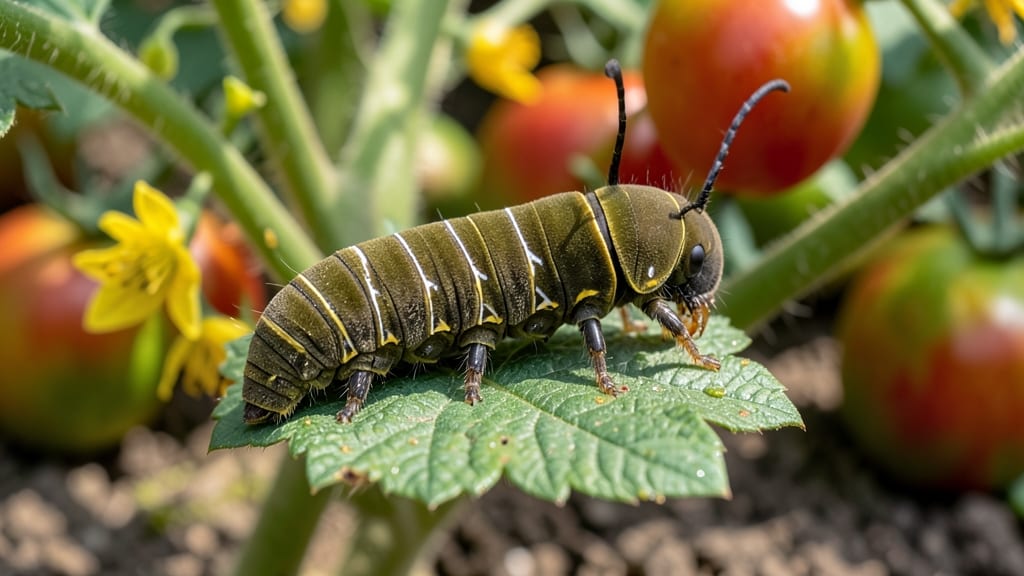
Seeing the tiny bugs on tomato plants in these images can turn a thriving harvest into a battle. 🌱 The good news?
Identifying these pests fast means you can stop the damage before it spreads—and I’ve got the visual guide to help you spot them instantly, from the telltale skeletons left by hornworms to the sticky residue of aphids.
Most of these bugs arrive because your plants are stressed—whether from overwatering, poor soil, or lack of sunlight. Aphids cluster on new growth, hornworms strip leaves overnight, and spider mites weave fine webs on undersides.
Each leaves a unique signature, and knowing what to look for cuts diagnosis time to under 30 seconds once you’ve seen the images.
You’ll learn how to act fast with organic fixes like neem oil, soapy water sprays, or simply plucking pests by hand. The goal? Keep your tomatoes lush and productive without chemicals.
By the end, you’ll recognize these pests before they become a problem—and your plants will thank you with bigger, healthier fruit.
Works for gardeners at any level, from backyard plots to container tomatoes. Let’s get those plants pest-free before the next feeding frenzy starts.
Root Causes Behind Tomato Plant Invaders
Tomato plants are a magnet for pests—not because they’re weak, but because they’re nutrient-rich and vulnerable during key growth stages. Understanding the why behind these infestations helps you tackle them before they spiral.
Below, we break down the most common reasons bugs target your tomatoes, from environmental triggers to plant health red flags.
Stress makes plants easier prey. When tomatoes struggle with environmental factors, their natural pest-repelling mechanisms (like strong foliage or sticky sap) weaken, inviting bugs to move in.
- Drought or Overwatering:
Both extremes disrupt root health. Underwatered plants produce wilted, dry leaves—ideal hiding spots for aphids and spider mites. Overwatered soil fosters fungal diseases (like early blight), which attract sap-sucking pests like whiteflies.
Science note: Healthy roots produce phenolic compounds, which deter insects. Stress reduces these compounds by up to 40%.
- Poor Air Circulation:
Crowded plants or dense foliage trap humidity, creating a bug buffet. High moisture levels encourage:
- Fungal gnats (larvae thrive in damp soil)
- Tomato hornworms (they love soft, humid leaves)
- White mold (which attracts beneficial insect predators… but also more pests)
Pro tip: Space plants 18–24 inches apart and prune suckers to improve airflow. 🌡️
- Extreme Heat or Cold:
Tomatoes hate sudden temperature swings. Heat stress (above 90°F) weakens cell walls, making them easier for stink bugs to pierce. Cold snaps (below 50°F) slow growth, leaving plants vulnerable to cutworms and colorado potato beetles.
Actionable fix: Use row covers in early spring or late fall to shield plants from temperature shocks.
Pests don’t just randomly attack tomatoes—they’re drawn to visible signs of distress. Here’s what makes your plants a five-star pest hotel:
| Symptom | Likely Pest | Why They’re Attracted |
|---|---|---|
| Sticky, honeydew-coated leaves | Aphids, whiteflies, scale insects | These bugs feed on sap, excreting honeydew—a sugar-rich byproduct that attracts ants (who "farm" the pests in exchange for honeydew). |
| Holes in leaves or missing fruit | Tomato hornworms, slugs, stink bugs | Hornworms munch leaves (they can devour a plant in 24 hours), while stink bugs pierce fruit, causing cat-facing scars. |
| Yellowing leaves (especially lower ones) | Spider mites, whiteflies, fungal gnats | Nutrient-deficient plants (often from over-fertilizing nitrogen) produce thin, pale leaves—perfect for mites to burrow into. |
| Wilting or crunchy stems | Cutworms, root-knot nematodes | Cutworms sever stems at night, while nematodes attack roots, starving the plant. Both create entry points for secondary infections. |
Key takeaway: Bugs exploit weakness. Fix the underlying issue (e.g., balance fertilization, remove diseased leaves), and pests often lose interest.
Tomatoes thrive in balanced ecosystems. When that balance tips—whether by human intervention or nature—pests move in like uninvited guests at a dinner party.
- Lack of Beneficial Predators:
Many "pests" are actually food for other insects. For example:
- Ladybugs eat aphids
- Parasitic wasps target hornworms
- Ground beetles hunt cutworm eggs
If you’ve overused pesticides, you’ve likely wiped out these natural allies. Solution: Introduce beneficial nematodes or neem oil (which targets pests without harming predators). ✨
- Monoculture Planting:
Growing only tomatoes (or other nightshades like peppers/eggplants) creates a pest paradise. Bugs like colorado potato beetles and whiteflies specialize in these plants and multiply rapidly in large patches.
Fix: Interplant tomatoes with basil, marigolds, or onions—these repel pests and attract pollinators.
- Soil Depletion:
Poor soil = weak plants. When tomatoes lack phosphorus or potassium, they produce small, tough leaves—a red flag for pests like thrips and leafminers.
Test your soil and amend with compost or bone meal to restore nutrients.
Remember: Most tomato pests aren’t accidents—they’re opportunists. By addressing the root causes (literally and figuratively), you’ll make your garden less appealing and more resilient.
Quick Fixes for Tomato Plant Pests
Got unwanted visitors feasting on your tomato plants? 🚫🐛 Don’t panic—most pests can be managed with simple, effective solutions. Below, we’ve mapped out practical fixes for common tomato plant invaders, from organic sprays to cultural tweaks.
Follow these steps to restore your plants to peak health and keep future pests at bay.
Signs: Large green caterpillars with white stripes, skeletonized leaves, or missing fruit.
How to Fix It:
- 🔥 Handpick & Squish 👨🍳: Check leaves daily (especially in the morning) and drop hornworms into soapy water. They’re easy to spot—just look for their dramatic chewing patterns.
- 🌿 Introduce Beneficial Bugs: Ladybugs and parasitic wasps (like Cotesia glomeratus) love hornworms. Buy them online or attract them with dill or fennel plants nearby.
- 🍳 Spray Neem Oil: Mix 1 tsp neem oil + 1 tsp mild soap + 1 quart water, spray undersides of leaves where eggs are laid. Reapply every 5–7 days.
💡 Prevention Tip: Plant basil, marigolds, or dill alongside tomatoes—their strong scents repel hornworms naturally. 🌱
Signs: Tiny green/black clusters on stems/leaves, sticky residue (honeydew), curled leaves.
How to Fix It:
- 🔪 Blast with Water: Use a strong hose spray to knock them off. Do this in the early morning to avoid damaging plants.
- 🌿 Soap Spray Recipe: Combine 1 tbsp castile soap + 1 quart water in a spray bottle. Test on a small leaf first—aphids will dissolve in minutes.
- 🐝 Encourage Predators: Lacewings and ladybugs devour aphids. Plant alyssum or yarrow to attract them.
💡 Prevention Tip: Aphids thrive in crowded plants. Space tomatoes 18–24 inches apart for better airflow and sunlight. ☀️
Signs: Fine webbing on leaves, yellow stippling, slow plant growth.
How to Fix It:
- 🌡️ Blast with Water: Spider mites hate humidity. Spray leaves every 2–3 days with water to wash them away.
- 🍳 Neem Oil or Insecticidal Soap: Mix 2 tbsp neem oil + 1 tsp soap + 1 gallon water, spray both sides of leaves. Repeat weekly.
- 🐞 Release Predatory Mites: Phytoseiulus persimilis mites eat spider mites. Order them online for a chemical-free solution.
💡 Prevention Tip: Keep plants well-watered—drought stress attracts spider mites. Mulch around the base to retain moisture. 💧
Signs: Tiny white moths fluttering when you shake the plant, sticky leaves, yellowing foliage.
How to Fix It:
- 🕯️ Yellow Sticky Traps: Hang yellow cards coated with petroleum jelly near plants to trap adults.
- 🍳 Spray with Soap Solution: Use 1 tbsp dish soap + 1 quart water, spray undersides of leaves (where eggs hide). Reapply every 3 days.
- 🔥 Beneficial Nematodes: Apply Steinernema feltiae nematodes to the soil—they kill whitefly larvae naturally.
💡 Prevention Tip: Avoid over-fertilizing with nitrogen—whiteflies love lush, soft growth. Use balanced fertilizer (10-10-10) instead. 🌿
Signs: Chewed leaves with orange/black beetles or larvae (striped caterpillars).
How to Fix It:
- 🔪 Handpick Adults & Larvae: Drop them into soapy water—they’re easy to spot on yellowing foliage.
- 🌿 Row Covers: Use floating row covers early in the season to block adults from laying eggs.
- 🍳 Spray Kaolin Clay: Mix 1 cup kaolin clay + 1 gallon water, spray on leaves. The gritty texture deters beetles.
💡 Prevention Tip: Rotate crops—never plant tomatoes or potatoes in the same spot two years in a row. These beetles overwinter in soil! 🌍
- 🌿 Plant Companion Flowers: Marigolds, nasturtiums, and basil repel pests while boosting tomato flavor.
- ⏰ Inspect Regularly: Check plants every 2–3 days, especially undersides of leaves and new growth.
- 🧹 Clean Up Debris: Remove fallen leaves and weeds—pests hide there and multiply.
- 💧 Water at the Base: Avoid wetting leaves (encourages fungus + attracts soft-bodied pests like aphids).
- 🔄 Crop Rotation: Switch tomato families (nightshades) to a different garden spot each year.
Pro Tip: 🎯 Act fast! The sooner you spot pests, the easier they are to eliminate. A little daily care keeps your tomato plants thriving—and pest-free! 🍅✨
Frequently asked questions
What are the most common bugs found on tomato plants?
The most frequent tomato plant pests include tomato hornworms (large green caterpillars), aphids (tiny green/black clusters), spider mites (fine webbing), whiteflies (tiny white moths), and colorado potato beetles. Each leaves distinct damage patterns—hornworms create skeletonized leaves, while aphids leave sticky honeydew residue.
How can I tell if the bugs on my tomato plants are harmful?
Check for visible damage signs: chewed leaves, yellowing foliage, or sticky residue. Beneficial insects like ladybugs or lacewings have spots or striped patterns, while pests often hide on undersides. If your plants are thriving despite bugs, they’re likely harmless predators.
What’s the fastest way to get rid of bugs on tomato plants?
For immediate results, handpick large pests (like hornworms) and drop them in soapy water. For smaller bugs, spray with a soapy water solution (1 tbsp dish soap per quart of water) or neem oil mix. Reapply every 3-5 days until pests disappear.
Can I use chemical pesticides on my tomato plants?
While chemical pesticides work, they often harm beneficial insects and can contaminate your harvest. Organic alternatives like neem oil, insecticidal soap, or kaolin clay are safer and just as effective. Always follow product instructions carefully.
How do I prevent future bug infestations on my tomato plants?
Start with healthy soil and proper spacing (18-24 inches apart). Use companion plants like basil or marigolds, and inspect plants regularly. Remove debris and fallen leaves where pests hide. Crop rotation also helps break pest life cycles.