
How To
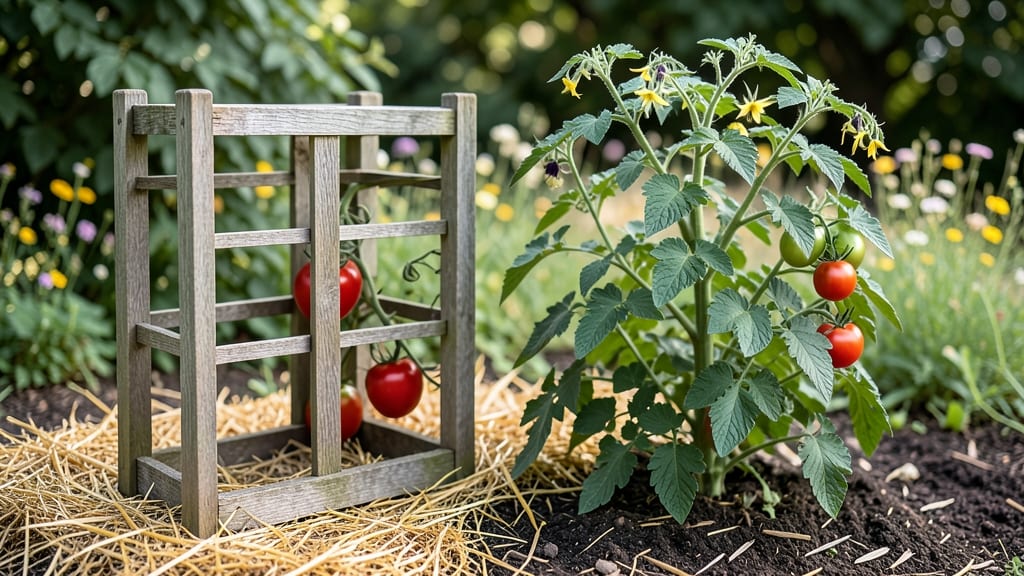
Brandywine tomato leaves shouldn’t end up in the compost—those rich, savory leaves pack just as much flavor as the fruit. 🌿 I’ve saved hundreds of dollars by drying and freezing leaves to use all season long, turning what would be waste into a pantry staple that elevates soups, sauces, and even teas.
Start by harvesting healthy leaves (skip any with spots or holes) and blanch them for 30 seconds to lock in flavor. Spread them on a baking sheet to dry completely, then store in airtight containers.
For freezing, chop finely and stash in ice cube trays—just pop a cube into simmering dishes for instant depth. No fancy equipment needed, just patience and a little prep time.
📚 In This Guide
- What you need
- Instructions
- Tips and common mistakes
- Wrapping up and next steps
What you need
- ● Fresh Brandywine tomato leaves: Harvest 1–2 cups (packed) from mature, disease-free plants (avoid leaves with holes or blemishes).
- ● Knife or pruning shears: Sharp pair for clean cuts (sanitize with rubbing alcohol).
- ● Baking sheets or dehydrator trays: Parchment paper or silicone mats (for drying).
- ● Air-tight containers or freezer bags: Glass jars (1-pint size) or heavy-duty ziplock bags (for storage).
- ● Paper towels or clean kitchen towel: For patting leaves dry.
- ○ Dehydrator: Set to 95°F–115°F for even drying (optional but recommended).
- ● Food processor or blender: For grinding dried leaves into powder (if making seasoning blends).
- ● Labeling markers: To note harvest dates on containers.
- ○ Essential oils (optional): 1–2 drops of lemon or basil oil to enhance flavor in storage.
How to preserve Brandywine tomato leaves for cooking
Save the rich, sweet flavor of your Brandywine tomatoes all year—here's how I turn wilted leaves into a pantry staple.
🌿 Step 1: Harvest Leaves at Peak Flavor
Pick leaves when they're fully mature but still tender—just before they start yellowing at the edges. I harvest on a dry morning after dew has evaporated, using clean scissors to snip stems just above the vine. Avoid leaves with holes or signs of disease, and don't harvest more than one-third of the plant at once to maintain growth.
You'll know you've picked at the right time when the leaves smell fresh and vibrant, not bitter or wilted. A full Brandywine plant yields about 4 cups of packed leaves per harvest. Rinse them gently in cool water to remove any dirt or pests, then pat completely dry with a clean kitchen towel—any moisture will ruin your dried leaves later.
💧 Step 2: Blanch and Shock for Color Preservation
Bring a pot of water to a rolling boil, then reduce to a gentle simmer. Prepare an ice water bath in a large bowl. Working in batches, blanch the tomato leaves for exactly 30 seconds—they'll turn a bright, vibrant green. Immediately transfer them to the ice water using a slotted spoon to stop the cooking process completely.
This step is crucial—it preserves the leaves' color and flavor while killing any bacteria. You'll see the leaves wilt dramatically in the boiling water, then perk up slightly in the ice bath. Drain thoroughly in a colander, then spread them out on a clean kitchen towel to air-dry for 10 minutes before proceeding.
☀️ Step 3: Dry Leaves for Long-Term Storage
Preheat your oven to its lowest setting—usually 170°F—and line a baking sheet with parchment paper. Arrange the blanched leaves in a single layer, ensuring they don't overlap. Place them in the oven and prop the door open slightly with a wooden spoon to allow moisture to escape.
Check after 1 hour—the leaves should be dry enough to crumble slightly between your fingers. If they still feel damp, return them to the oven for 30-minute increments until completely brittle. For best results, dry them in a warm, well-ventilated area for 2-3 days if you have the time.
🪴 Step 4: Store for Maximum Flavor Retention
Let the dried leaves cool completely, then crumble them into small pieces using your fingers or a clean mortar and pestle. Store in an airtight glass jar, away from direct sunlight and heat sources. Properly stored leaves will keep their flavor for up to 6 months—you'll know they've gone bad when they lose their green color and develop a musty smell.
To use, simply sprinkle the dried leaves into soups, stews, or pasta dishes at the end of cooking. I like to add them to tomato-based sauces where their sweet, herbal notes shine. Start with 1 teaspoon per serving—you can always add more, but you can't take it out once it's in!
Tips & tricks for perfect Brandywine tomato leaf preservation
Preserving those lush tomato leaves takes just a few smart steps—and avoiding these common pitfalls makes all the difference.
Harvest Timing Matters: The 10-minute air-drying after blanching is non-negotiable. Any moisture left on the leaves will cause them to mold in storage. I learned this the hard way when a batch turned slimy after just 3 days—now I double-check with a paper towel test. If it feels damp, I extend the drying to 15 minutes.
Blanching Precision: That exact 30-second blanch in Step 2 is critical for two reasons: it preserves the vibrant green color AND kills bacteria without overcooking. I use a timer and watch the leaves closely—they should just start to wilt but not turn limp. If you're working with large batches, keep the water at a gentle simmer (not boiling) to maintain even cooking.
Drying Strategy: While the oven method at 170°F works, I find air-drying in a warm, well-ventilated spot for 2-3 days actually intensifies the flavor. Just lay the leaves on a mesh screen or clean window screen in a spot with good airflow. This low-tech method requires zero electricity and gives you that authentic dried herb aroma.
Storage Wisdom: The 6-month shelf life assumes proper storage—keep your jar in a cool, dark pantry, not above the stove. I also add a small piece of parchment paper between layers when storing to prevent clumping. And here's a pro move: label your jar with the harvest date so you can use the oldest leaves first.
Pro Tips for Brandywine Tomato Leaves
- Preserving those lush tomato leaves takes just a few smart steps—and avoiding these common pitfalls makes all the difference.
- Harvest Timing Matters: The 10-minute air-drying after blanching is non-negotiable.
- Blanching Precision: That exact 30-second blanch in Step 2 is critical for two reasons: it preserves the vibrant green color AND kills bacteria without overcooking.
Frequently asked questions
Got questions about Brandywine tomato leaves? You're not alone! Here are some of the most common queries—plus quick, practical answers to help you make the most of this flavorful (and often overlooked) part of your harvest.
Can I eat Brandywine tomato leaves raw?
Yes, but with caution! While young, tender leaves are edible raw (great in salads or garnishes), they can be bitter or slightly astringent. Pro tip: Blanch them in boiling water for 10–15 seconds to soften and mellow the flavor before using in recipes like pesto or stir-fries.
When is the best time to harvest Brandywine tomato leaves?
Harvest leaves before the plant flowers or sets fruit for the mildest taste. Aim for late spring to early summer when the plant is young and vigorous. Once fruiting begins, leaves may develop a stronger, more herbal flavor—ideal for cooking but less pleasant raw.
What are the best ways to use Brandywine tomato leaves?
Versatility is their superpower! Use them in:
- Pesto: Blend with garlic, nuts, olive oil, and Parmesan for a vibrant twist.
- Tea: Steep dried leaves in hot water for a caffeine-free herbal infusion.
- Soups/stews: Add depth to tomato-based dishes (like minestrone).
- Infused oils: Finely chop and steep in olive oil for 2–3 days.
Are Brandywine tomato leaves safe for pets?
No—while non-toxic in small amounts, tomato leaves (especially green parts) contain solanine, which can upset pets' stomachs or cause mild toxicity. Keep them out of reach of curious cats and dogs.
How do I store Brandywine tomato leaves long-term?
For freshness, store leaves in the fridge wrapped in a damp paper towel for up to 5 days. To preserve flavor:
- Drying: Hang bundles upside down in a dark, dry place for 1–2 weeks.
- Freezing: Blanch, cool, and freeze in airtight bags or containers.
- Dehydrating: Use a food dehydrator at 115°F (46°C) for 2–4 hours.
Wrapping up and next steps
Brandywine tomato leaves are a hidden culinary gem—packed with flavor and easy to preserve! Whether you’re making pesto, drying them for tea, or freezing for later, these leaves turn zero-waste gardening into a delicious adventure. 🌿✨
Ready to elevate your kitchen with this simple, sustainable trick? Start small—pick a few leaves from your next harvest, experiment with one preservation method, and let your taste buds (and compost bin) thank you! 🍴
- Next step: Try blending them into a homemade pesto this weekend!