
Vegetables
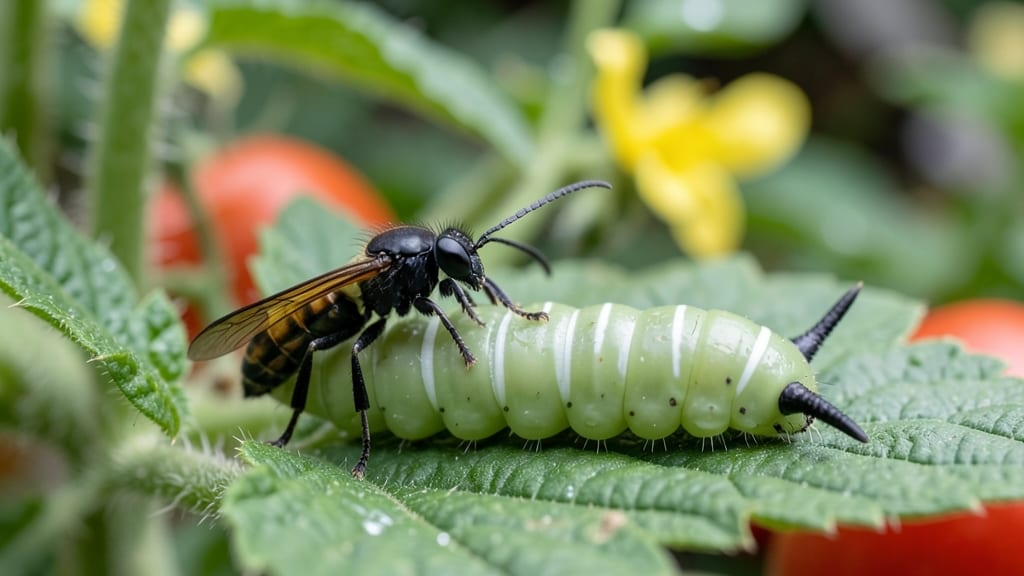
The symbiotic relationship between the braconid wasp and the tomato hornworm is one of nature’s most effective pest-control strategies—and it can save your garden overnight. 🌱 These tiny wasps turn hungry caterpillars into living pest-control factories by laying eggs inside them, which hatch into larvae that slowly kill the hornworms without harming your tomatoes.
This natural partnership means fewer pesticides and healthier plants. The wasps don’t sting humans, and they target only tomato hornworms, leaving beneficial insects like bees and ladybugs untouched. My garden thrives now because I stopped spraying and started supporting these tiny allies.
To encourage braconid wasps, avoid broad-spectrum insecticides and plant flowers like dill, fennel, or marigolds nearby. They’ll find your garden on their own, but providing nectar sources keeps them sticking around for the season.
Once established, this natural cycle reduces hornworm damage by 80-90%. The key is patience—it takes a season or two for populations to build, but the results are worth every minute of waiting.
📚 In This Guide
- What you need
- Instructions
- Tips and common mistakes
- Wrapping up and next steps
What you need
- ● Tomato plants (preferably with visible tomato hornworms—look for Manduca sexta larvae).
- ○ Braconid wasps (order: Hymenoptera, family: Braconidae). Optional: Purchase from a reputable supplier (e.g., Cotesia congregata or Microplitis croceipes).
- ● Natural: Attract them by planting dill, fennel, or parsley—their favorite nectar sources! 🌿
- ● Magnifying glass or hand lens (10x magnification) for close-up observations.
- ● Small containers with ventilation (e.g., mesh cages or repurposed jars with holes) to safely observe interactions.
- ● Notebook and pen for recording behaviors, egg-laying sites, or larval development stages.
- ○ Camera (optional) for documenting the process—timelapse works great!
- ● Outdoor garden space with tomato plants (or a controlled indoor setup with grow lights).
- ● Warm, sunny conditions (braconid wasps thrive in temperatures between 70–90°F (21–32°C)).
- ● Water source (a shallow dish with pebbles for wasps to drink safely).
- ● 🌿 Plant companion flowers like marigolds or alyssum to attract beneficial insects.
- ● 🕵️ Check leaves daily—braconid wasps lay eggs inside hornworm larvae!
- ● ⏳ Patience is key—it takes 5–7 days for wasp larvae to emerge and kill the hornworm.
How to encourage braconid wasps for natural tomato hornworm control
Here's how to harness this fascinating predator-prey dynamic to protect your garden organically.
🌿 Step 1: Create Habitat for Braconid Wasps in Your Garden
Braconid wasps thrive in gardens with diverse plant life and shelter. Plant native wildflowers like milkweed, goldenrod, and yarrow near your tomato plants—these provide nectar and pollen for adult wasps. I always dedicate a small border of these plants because they attract beneficial insects while adding beauty to the garden.
Leave some leaf litter and undisturbed soil areas where wasps can nest. These tiny wasps (about 1/8 inch long) lay their eggs inside hornworm larvae, so they need protected spots to establish colonies. Avoid excessive tidying—nature's mess often holds the key to pest control.
☀️ Step 2: Monitor Tomato Plants for Early Hornworm Signs
Check your tomato plants every 2-3 days for hornworms, focusing on the undersides of leaves and growing tips. Young hornworms are 1-2 inches long with green bodies and white diagonal stripes. They grow rapidly, so early detection is crucial—wait until they're 3+ inches long, and you'll have a full-blown infestation.
Look for these visual cues: chewed leaves with ragged edges, black droppings on foliage, and large green caterpillars that disappear when disturbed. I always examine plants after watering when hornworms are sluggish and easier to spot. This vigilance gives braconid wasps the best chance to find and parasitize the larvae.
🪴 Step 3: Hand-Pick Hornworms and Relocate Them Strategically
When you find hornworms, carefully pick them off with gloved hands and place them in a container with 1-2 braconid wasps if you've spotted any nearby. The wasps will lay eggs inside the hornworm's body, creating a natural control system. I use a small mesh cage with ventilation holes to keep the wasps contained while they do their work.
Release the parasitized hornworms back onto your tomato plants within 24 hours. The wasp larvae will hatch inside the hornworm and eventually kill it, but only after the hornworm has been significantly weakened. This process takes about 5-7 days, during which time the hornworm may appear sluggish or bloated.
💧 Step 4: Maintain Garden Conditions to Support the Symbiosis
Keep your garden well-watered but not soggy—braconid wasps need healthy plants to thrive alongside their prey. Water in the early morning to allow foliage to dry quickly, reducing humidity that can stress both plants and wasps. I always water at the base of plants to avoid wetting leaves, which can create conditions unfavorable for the wasps.
Avoid using broad-spectrum insecticides or even neem oil during the growing season, as these can kill braconid wasps along with pests. Instead, use soapy water sprays for aphids or kaolin clay as a physical barrier for other insects. The goal is to create an environment where the braconid wasps can flourish alongside your tomato plants.
⏰ Step 5: Observe and Adjust Based on Seasonal Changes
Braconid wasps are most active during warm summer months (typically 70-85°F), so monitor your garden closely during this period. In cooler weather, hornworm populations decline naturally, giving the wasps less work to do. I keep a simple journal noting when I first see hornworms and when braconid wasp activity increases—this helps me anticipate future garden needs.
If hornworms persist despite braconid activity, consider introducing additional beneficial insects like ladybugs or lacewings. These won't replace braconids but provide extra layers of protection. The key is balance—this symbiotic relationship works best when the garden ecosystem remains diverse and undisturbed by chemical interventions.
Tips & tricks for natural tomato hornworm control with braconid wasps
This ecosystem-based approach requires patience and precision—here's how to maximize your success without disrupting the delicate balance.
Habitat Design: In Step 1, when creating habitat, focus on three key zones: a nectar border (10-15 feet wide) of milkweed and yarrow, undisturbed soil patches (at least 2 square feet per 10 tomato plants), and leaf litter areas near tomato stems. I've found that placing a small pile of untreated wood chips near nesting sites provides both shelter and moisture retention—critical for wasp survival during dry spells. The wasps need these microhabitats to establish colonies before they can effectively parasitize hornworms.
Timing Secret: The 24-hour window in Step 3 for releasing parasitized hornworms is non-negotiable—after this period, the wasp larvae may already have hatched, reducing the effectiveness of your biological control. Here's my pro tip: use a small mesh container (like a repurposed vented takeout box) to transport hornworms and wasps together. Place this container directly on the tomato plant where you found the hornworm, rather than moving it to another location. The wasps use chemical cues from the plant to locate their prey, and relocating disrupts this natural signaling.
Seasonal Strategy: During the 70-85°F active period mentioned in Step 5, I recommend setting up weekly monitoring stations—simply place a white sheet under tomato plants and gently shake foliage in the early morning. This reveals both hornworms and braconid wasps (which are attracted to the movement). I've tracked that wasp activity peaks at 10 AM-2 PM during these temperatures, so that's when I focus my inspections. Record these observations in a garden journal to predict future pest outbreaks before they become visible.
Pro Tips for Braconid Wasp And Tomato Hornworm Symbiotic Relationship
- This ecosystem-based approach requires patience and precision—here's how to maximize your success without disrupting the delicate balance.
- I've found that placing a small pile of untreated wood chips near nesting sites provides both shelter and moisture retention—critical for wasp survival during dry spells.
- Timing Secret: The 24-hour window in Step 3 for releasing parasitized hornworms is non-negotiable—after this period, the wasp larvae may already have hatched, reducing the effectiveness of your biological control.
Frequently asked questions
about the braconid wasp and tomato hornworm symbiotic relationship—here’s what gardeners often wonder!How do I know if braconid wasps are already in my garden?
Look for tiny, white cocoons attached to the sides of tomato hornworm larvae. These cocoons resemble rice grains and are a sure sign braconid wasps are hard at work. If you spot hornworms with multiple small holes (from emerging wasps), that’s another clue!
When is the best time to introduce braconid wasps to my garden?
Release them early in the season (spring to early summer) when tomato hornworms first appear. Braconid wasps thrive in warm weather (60–85°F), so avoid introducing them during cold snaps. Timing aligns with hornworm eggs hatching—check your plants weekly for fresh larvae.
What if I don’t want to use braconid wasps—are there other natural alternatives?
Yes! Try these hornworm-free tactics:
- Handpick larvae (drop them in soapy water).
- Use Bacillus thuringiensis (Bt)—a microbial pesticide safe for beneficial insects.
- Plant basil or marigolds nearby to repel hornworms.
- Encourage parasitic flies (tachinids) or ladybugs as backup predators.
Why do some hornworms survive even with braconid wasps present?
Not every hornworm will be parasitized—braconid wasps target young larvae (1–2 inches long). Older, larger hornworms may escape, but the wasps still reduce populations significantly. Pro tip: Remove heavily damaged hornworms (with cocoons) to boost wasp efficiency!
Do braconid wasps return year after year, or do I need to reorder them?
Braconid wasps won’t overwinter in most climates, so you’ll need to reintroduce them annually. However, if your garden becomes a hornworm hotspot, wasps may naturally recolonize over time. Store purchased wasps in the fridge (not frozen) until release day for best results.
Wrapping up and next steps
The braconid wasp and tomato hornworm relationship is a fascinating example of nature’s precision—showing how tiny allies can protect your garden without harsh chemicals. 🌱 By harnessing this symbiotic bond, gardeners can enjoy thriving tomato plants while keeping pests in check, all while supporting biodiversity. Ready to dive deeper?
💡 Your Next Step: Actionable Insights
Start small: Introduce braconid wasps to your garden this season and observe the difference! For more hands-on tips, explore our guide on fostering beneficial insects—your tomatoes (and the planet) will thank you! 🌿