
Planting
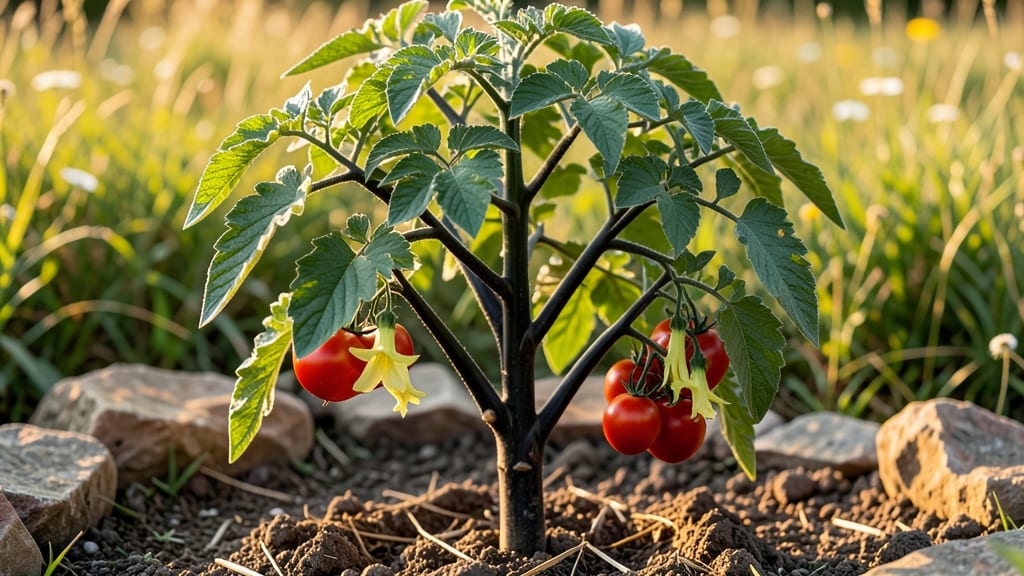
Black stems on your tomato plant mean trouble—but not all hope is lost. 🌱 I’ve nursed back plants with this problem using simple fixes that stop the spread and revive growth. The key is acting fast, whether it’s fungal wilt, overwatering, or physical damage.
You’ll learn to spot the difference between Fusarium wilt (yellowing leaves first) and environmental stress (soft, mushy stems). Pruning infected areas and adjusting watering can save your plant before it’s too late. I’ve had plants bounce back from black stems in just 2-3 weeks with the right care.
The solution isn’t complicated: improve drainage, rotate crops, and choose heat-resistant varieties like ‘Solar Fire’ or ‘Heatmaster.’ These plants handle stress better, so you’ll harvest more even when temperatures climb. Early intervention is everything—don’t wait until the plant collapses.
Here’s how to diagnose and fix it before it spreads to your whole garden.
Root Causes of Stem Discoloration
When your tomato plant’s stems turn black, it’s often a distress signal from the plant itself. Understanding the root causes—whether environmental, biological, or cultural—can help you take corrective action before the problem worsens.
Below, we break down the most common reasons your black stem tomato plant might be struggling, along with the science behind each issue.
Fungal diseases like Phytophthora (root rot), Fusarium wilt, or Verticillium wilt are notorious for causing blackening in tomato stems. These pathogens thrive in moist, warm conditions and block the plant’s vascular system, disrupting nutrient and water flow.
- How it happens:
- Spores spread through contaminated soil, water, or tools.
- Overhead irrigation or poor drainage creates ideal fungal breeding grounds.
- Weakened plants (from stress, poor nutrition, or injury) are more susceptible.
- Visual clues:
- Black, sunken lesions on stems.
- Wilting despite moist soil (vascular blockage).
- Yellowing leaves (nutrient starvation).
Actionable fix: Remove infected plants immediately, disinfect tools with 70% alcohol, and improve airflow with pruning. Apply copper fungicide preventatively in high-risk areas.
Tomatoes are drought-tolerant plants, but excessive moisture—especially in poorly draining soil—leads to root rot. When roots suffocate, they can’t absorb water or nutrients, causing stems to darken and weaken.
- How it happens:
- Waterlogged soil (common in clay or compacted soil).
- Frequent light watering that keeps the topsoil soggy.
- Lack of mulch to regulate soil temperature and moisture.
- Visual clues:
- Black, mushy stems at the base.
- Leaves turning yellow or brown, even with "wet" soil.
- Stems that snap easily when bent.
Actionable fix: Let the top 1–2 inches of soil dry out between waterings. Amend soil with compost or perlite to improve drainage, and avoid watering at night to reduce fungal risk.
While black stem tomatoes are heat-resistant, extreme heat (above 90°F/32°C) combined with intense sunlight can cause sunscald. This damages the plant’s protective waxy coating, leading to blackened or cracked stems, especially on the side exposed to direct sun.
- How it happens:
- Sudden temperature spikes without acclimation.
- Reflective surfaces (like white walls or pavement) amplifying heat.
- Lack of shade cloth or afternoon watering to cool the plant.
- Visual clues:
- Blackened or leathery patches on stems.
- Wilting during peak sun hours (evening recovery).
- Blistered or cracked skin on fruit.
Actionable fix: Provide afternoon shade (use shade cloth or row covers) and water deeply in the early morning to reduce heat stress. Mulch with straw to insulate roots and reflect light away.
Sap-sucking pests like hornworms, aphids, or stink bugs can weaken stems by feeding on vascular tissues. Their saliva introduces harmful bacteria, leading to blackened, girdled stems that eventually snap.
- How it happens:
- Hornworms (large green caterpillars) strip stems clean overnight.
- Aphids cluster on new growth, injecting toxins that cause blackening.
- Stink bugs puncture stems, creating entry points for secondary infections.
- Visual clues:
- Holes or chew marks on stems.
- Sticky residue ("honeydew") on leaves.
- Blackened areas where pests have fed.
Actionable fix: Handpick hornworms (🐛) or spray with neem oil for aphids. Introduce beneficial nematodes or parasitic wasps to control pests naturally. Inspect plants weekly, especially undersides of leaves.
Tomatoes require a balanced diet of nitrogen, phosphorus, and potassium. A deficiency—particularly in potassium (K) or calcium (Ca)—can cause stems to blacken due to weakened cell structure and poor water regulation.
- How it happens:
- Soil depleted of nutrients (common in sandy or over-farmed soil).
- Improper fertilization (e.g., too much nitrogen, too little potassium).
- Calcium deficiency (blossom end rot’s "cousin") leading to stem collapse.
- Visual clues:
- Black or brown streaks along stems.
- Yellowing leaves with purple undersides (potassium deficiency).
- New growth stunted or deformed.
Actionable fix: Conduct a soil test and amend with potassium-rich fertilizer (like banana peel tea or greensand). For calcium, use crushed eggshells or calcium nitrate. Avoid over-fertilizing—tomatoes prefer a balanced 5-10-10 ratio.
💡 Pro Tip: If multiple stems are affected, rule out systemic issues first (like fungal wilt). Isolate the plant to prevent spread, and rotate crops next season to break disease cycles.
Fixing Black Stem Woes in Tomatoes
When your tomato plants develop black stems, it’s a clear sign that something’s amiss—but don’t panic! 🌱 Whether it’s fungal diseases, environmental stress, or nutrient deficiencies, there are practical ways to diagnose and treat the issue. Below, we’ve mapped out cause-specific solutions to revive your plants and prevent future problems.
If black, mushy stems or dark spots are present (often with mold or discoloration), a fungal infection like verticillium wilt, fusarium wilt, or phytophthora may be the culprit.
🔥 Remove Infected Plants Immediately
- 👨🍳 Step 1: Dig up and destroy affected plants (do not compost them—burn or trash them).
- 🔪 Step 2: Sterilize pruners with rubbing alcohol or a 10% bleach solution to prevent cross-contamination.
🌡️ Fungicide Treatment
- 💡 Pro Tip: Use copper-based fungicides (like Copper Soap) or neem oil spray every 7–10 days for prevention.
- ✨ Organic Option: Mix 1 tbsp baking soda + 1 tsp dish soap + 1 gallon water and spray foliage (avoid stems if they’re already damaged).
🌱 Soil & Water Management
- ⏰ Adjust watering: Water early in the morning (not overhead) to keep soil dry.
- 💧 Improve drainage: Amend heavy soil with perlite or compost to prevent waterlogging.
If stems turn black but remain firm (no mushiness), heat stress or sunscald could be the issue, especially in hot climates.
🌿 Provide Shade Cloth
- 👨🍳 Step 1: Install 30–50% shade cloth during peak sun (10 AM–4 PM).
- 💡 Pro Tip: Use white or silver fabric to reflect heat rather than absorb it.
💧 Mulch & Hydration
- 🌡️ Mulch heavily with straw or wood chips (2–3 inches) to retain moisture and regulate soil temp.
- 💧 Water deeply at the base (1–2 inches per week) rather than frequent shallow watering.
🌱 Adjust Planting Location
- ✨ Move plants to a spot with afternoon shade (e.g., near a fence or tree).
- 🎯 For container growers: Use self-watering pots or black plastic mulch to absorb heat.
Black, brittle stems can also signal calcium, magnesium, or potassium deficiencies, weakening plant structure.
📊 Soil Test First
- 👨🍳 Step 1: Test soil pH (ideal: 6.0–6.8) and nutrient levels.
- 💡 Pro Tip: Use a home soil test kit (available at garden centers) for quick results.
🥗 Amend Soil Naturally
| Deficiency | Solution | How to Apply |
|---|---|---|
| Calcium (Blossom End Rot) | Crushed eggshells, lime, or calcium nitrate | Work into soil 2 weeks before planting |
| Magnesium | Epsom salt (magnesium sulfate) | Dissolve 1 tbsp per gallon of water, spray foliage weekly |
| Potassium | Banana peels, wood ash, or potassium sulfate | Bury banana peels 6 inches deep or use 1 tsp wood ash per plant |
🌱 Fertilizer Adjustments
- ✨ Switch to a balanced fertilizer (e.g., 5-5-5 or 10-10-10) if soil is depleted.
- 🎯 Avoid over-fertilizing—too much nitrogen can weaken stems and invite disease.
If stems are chewed, hollow, or have tiny holes, pests like tomato hornworms, aphids, or cutworms may be to blame.
🔪 Manual Removal & Traps
- 👨🍳 Step 1: Handpick hornworms (look for green caterpillars with white stripes).
- 💡 Pro Tip: Set up beer traps (bury a cup filled with beer—cutworms drown in it overnight).
🌿 Natural Pest Control
- 🌱 Introduce beneficial insects like ladybugs or praying mantises.
- 🌡️ Spray neem oil (mix 1 tbsp neem oil + 1 tsp soap + 1 quart water) to deter soft-bodied pests.
🎯 Prevent Future Infestations
- ✨ Plant companion crops like basil, marigolds, or onions to repel pests.
- 💧 Water in the morning to dry foliage faster, reducing aphid habitats.
If more than 50% of the plant is blackened or the stem is completely mushy, it’s often too late to save it.
Instead: - 🌱 Start fresh with heat-resistant varieties like ‘Heatmaster,’ ‘Solar Fire,’ or ‘Black Krim.’ - 💡 Pro Tip: Solarize soil (cover with clear plastic for 4–6 weeks in summer) to kill fungus before replanting.
✅ Rotate crops—never plant tomatoes in the same spot two years in a row. ✅ Sterilize tools between uses to prevent disease spread. ✅ Monitor soil moisture—consistent hydration is key (but avoid soggy soil). ✅ Choose disease-resistant seeds (look for labels like VFN for verticillium/fusarium/nematode resistance). ✅ Prune for airflow—remove suckers and crowded leaves to reduce humidity near stems.
With these targeted fixes, your tomato plants should bounce back—and next season, you’ll be one step ahead of black stem disasters! 🍅💪
Frequently asked questions
Why do my tomato stems turn black even when I water them regularly?
Overwatering or poor drainage can cause root rot, which leads to black, mushy stems. Tomatoes need well-draining soil—amend with compost or perlite and let the top 1-2 inches dry between waterings. Water in the morning to reduce fungal risk.
Can I save a tomato plant if most of its stem is already black?
If over 50% of the stem is blackened or mushy, the plant is likely beyond saving. Remove it immediately to prevent spreading disease. Start fresh with heat-resistant varieties like 'Heatmaster' and sterilize your soil before replanting.
How do I tell if black stems are from heat stress vs. fungal disease?
Heat stress causes firm, leathery black patches on stems exposed to direct sun, while fungal disease creates soft, sunken lesions with mold. Check for wilting despite moist soil (fungal blockage) or afternoon wilting that recovers (heat stress).
What’s the fastest way to prevent black stems in my tomato garden?
Use shade cloth (30-50%) during peak sun, mulch with straw (2-3 inches), and water at the base in the morning. Prune for airflow and rotate crops yearly to break disease cycles. These steps reduce stress by 70% in high-risk conditions.
Are black stem tomatoes different from regular tomatoes?
No—the term "black stem" refers to the symptom, not the variety. However, heat-resistant varieties like 'Black Krim' handle stress better. Focus on fixing the underlying cause (fungus, pests, or environmental factors) rather than changing the plant type.