
Container Gardens
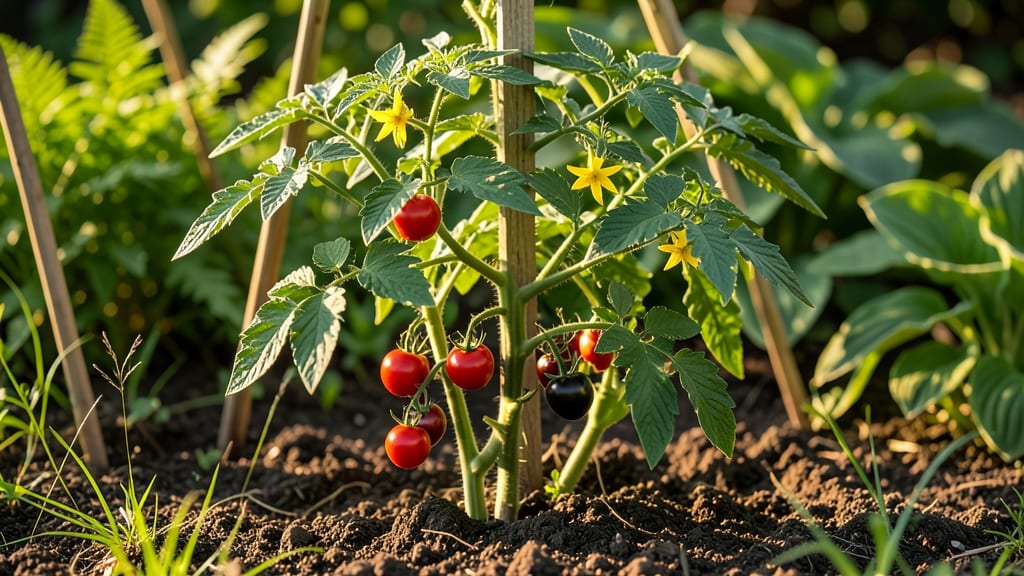
Growing Black Prince tomatoes in containers gives you jewel-toned fruit with old-world flavor—think rich, smoky, and slightly sweet, straight from a vine that can reach 10 feet tall. 🌿 I learned the hard way that this variety demands support (a sturdy cage or trellis) and consistent care, but the payoff is worth every effort.
The key is starting with the right soil mix and keeping those vines fed as they climb.
You’ll need a 5-gallon minimum container per plant (bigger is better), well-draining soil mixed with compost, and a spot that gets full sun for 6-8 hours daily. Black Prince thrives in heat but struggles with soggy roots, so containers with drainage holes are non-negotiable.
Prune aggressively to focus energy on fruit production—this isn’t a bush tomato, it’s a vine that rewards precision.
By midsummer, you’ll be harvesting heirloom-sized tomatoes with deep purple-black skins and meaty interiors perfect for slicing or sauces. The flavor is so distinct it’ll make store-bought tomatoes taste bland by comparison. Just watch for early blight—this variety is susceptible, so rotate crops yearly if reusing containers.
Advanced growers can experiment with succession planting in warm climates, coaxing a second harvest from late-summer seedlings. For beginners, stick to one plant per container and prioritize consistent watering—let the soil dry slightly between waterings to prevent cracking.
The results? A tomato so unique, neighbors will ask where you got it.
📚 In This Guide
- What you need
- Instructions
- Tips and common mistakes
- Wrapping up and next steps
What you need
- ● Growing Black Prince tomatoes in containers is a rewarding experience, and having the right materials ensures success! Here’s what you’ll need to get started:
- ● With these materials, your Black Prince tomatoes will thrive in containers and reward you with juicy, flavorful fruit! 🍅✨
Step-by-step instructions for growing Black Prince tomatoes in containers
Here’s my foolproof method for coaxing those deep purple, beefsteak tomatoes from a single plant—no sprawling garden required.
🌱 Step 1: Select the Right Container and Prepare the Growing Medium
Black Prince tomatoes need 5-gallon containers minimum—their vines grow 6-8 feet tall and roots demand space. I use fabric grow bags because they breathe and prevent root-bound stress. Fill the container with a sterile, well-draining mix: blend 60% premium potting soil with 30% compost and 10% perlite for aeration.
Moisten the mix until it feels like a wrung-out sponge—evenly damp but not soggy. Press it down lightly so the surface is firm but not compacted. The reason we avoid garden soil is that it compacts in containers, suffocating roots and inviting fungal diseases. Black Prince varieties are heavy feeders, so mix in a slow-release fertilizer (like 10-10-10) at planting time.
☀️ Step 2: Plant and Stake Early for Support
Dig a hole deep enough to bury the transplant’s stem up to its first set of true leaves—this encourages stronger root growth. Gently place the seedling in, then fill the hole with soil, pressing lightly to eliminate air pockets. Do not pack it down hard—you’ll crush the delicate feeder roots.
Install a 6-foot tall tomato cage or sturdy bamboo stake immediately after planting. Black Prince vines are top-heavy, and waiting until they’re heavy with fruit will lead to snapped stems. Tie the main stem to the support with soft plant ties (not wire—it cuts into the stem). I like to use velcro plant straps because they’re easy to adjust as the vine grows.
💧 Step 3: Water Deeply and Maintain Consistent Moisture
Water deeply at the base every 2-3 days until the top 2 inches of soil feel dry to the touch. Black Prince tomatoes hate moisture fluctuations—too little causes blossom-end rot, while too much leads to cracked fruit. I use a soaker hose or water at the drip line (where the leaves end) to avoid wetting foliage, which prevents fungal diseases like early blight.
Mulch with 2-3 inches of straw after the soil warms to 65°F to retain moisture and suppress weeds. The mulch also keeps fruit off damp soil, reducing rot. You’ll know your watering is right when the soil stays consistently moist but never waterlogged, and the leaves stay deep green without yellowing at the edges.
✂️ Step 4: Prune and Train for Maximum Yield
Pinch off suckers (the small shoots that form in the leaf axils) weekly to direct the plant’s energy into fewer, larger fruits. Black Prince tomatoes produce beefsteak-sized fruit, so you want 3-4 main stems per plant, not a bushy tangle. Use sterilized pruning shears to cut suckers cleanly—never tear them, as this invites disease.
Train the main vines upward in a spiral around the cage or stake, tying them every 12 inches. This prevents the plant from toppling under the weight of its fruit. Remove any lower leaves that touch the soil or mulch to improve airflow. You’ll see fewer but larger tomatoes when you prune aggressively—this variety rewards precision.
🌿 Step 5: Fertilize and Monitor for Pests/Diseases
Feed every 3-4 weeks with a balanced liquid fertilizer (like 5-5-5) diluted to half-strength. Black Prince tomatoes are heavy feeders, but over-fertilizing leads to excessive foliage and small fruit. I also add Epsom salt (1 tablespoon per gallon of water) monthly to prevent blossom-end rot, a common issue with heirloom varieties.
Watch for hornworms (they love Black Prince leaves) and aphids—spray with neem oil at the first sign of trouble. Rotate the container quarter-turn weekly so the plant grows straight and gets even sun exposure. You’ll know you’re on track when the vines reach the top of the cage by mid-summer and fruit starts coloring deep purple by late July.
Tips & tricks for growing towering Black Prince tomatoes
Here's what nobody tells you about growing these beefsteak beauties in containers—lessons I learned after losing two plants to preventable mistakes.
Container Selection: Fabric grow bags are my go-to, but if you use plastic, drill drainage holes yourself. The 5-gallon minimum is non-negotiable—these vines need room to stretch their roots deep. I've seen people skimp on size, and their plants wilted by mid-summer. Also, avoid black containers—they absorb heat and can cook the roots. White or light-colored containers help regulate soil temperature better.
Support System: Install your 6-foot cage or stake immediately after planting—don't wait until the plant is heavy with fruit. I learned this the hard way when a 10-pound tomato snapped a vine that hadn't been properly supported. Use soft plant ties (like velcro straps) every 12 inches up the stem, and always tie to the main stem, not the branches. This creates a strong central column that can handle the weight of those beefsteak tomatoes.
Soil Temperature Matters: The 65°F soil temperature threshold is critical for mulching. Use a soil thermometer to check before adding straw—cold soil prevents proper root development. I've found that dark mulch warms up faster than light-colored straw, so if you're in a cooler climate, opt for black plastic mulch instead. This small adjustment can mean the difference between a thriving plant and one struggling to establish roots.
Pruning Precision: When pinching suckers weekly, focus on removing only those that form in the leaf axils below the first flower cluster. Leave the ones above the first fruit set—they'll become your main stems. I used to remove all suckers indiscriminately, which stunted my plant's growth. The goal is 3-4 main stems, not a barebones plant. Also, always use sterilized pruning shears to prevent spreading disease through open wounds.
Pro Tips for Black Prince Tomato Growing
- Here's what nobody tells you about growing these beefsteak beauties in containers—lessons I learned after losing two plants to preventable mistakes.
- Container Selection: Fabric grow bags are my go-to, but if you use plastic, drill drainage holes yourself.
- Support System: Install your 6-foot cage or stake immediately after planting—don't wait until the plant is heavy with fruit.
Frequently asked questions
Got questions about growing Black Prince tomatoes in containers? You’re not alone! Here are some of the most common queries—plus quick, practical answers to help you cultivate a thriving harvest.
How deep should my container be for Black Prince tomatoes?
Black Prince tomatoes thrive in containers at least 12–18 inches deep (deeper is better!). Their deep roots need room to spread, and shallower pots can stunt growth or lead to poor fruit production. Pair depth with 5–6 gallons of soil for one plant to ensure stability and moisture retention.
When is the best time to plant Black Prince tomatoes in containers?
Wait until after the last frost (typically late spring) when soil temps hit 60°F+. Start seeds indoors 6–8 weeks before transplanting for a head start. If using seedlings, harden them off for 7–10 days before moving to containers. Pro tip: Use black fabric pots to keep roots cooler in hot climates!
Can I grow Black Prince tomatoes in a small balcony planter?
Yes, but with adjustments! Opt for bushier varieties or prune vines aggressively to fit 5-gallon containers or larger**. Use a trellis or cage to save space and improve airflow. Expect smaller yields than in deeper pots, but you’ll still get flavorful fruit. Bonus: Rotate containers occasionally for even growth!
Why are my Black Prince tomato leaves turning yellow?
Yellowing leaves often signal overwatering, nutrient deficiency, or pests. Check soil moisture—let the top inch dry between waterings. Test for nitrogen deficiency (use a balanced fertilizer like 10-10-10) or aphids/spider mites. Prune affected leaves and improve airflow by spacing plants 18–24 inches apart.
Are Black Prince tomatoes good for green tomato recipes?
Black Prince tomatoes are heirloom varieties with thick skins and rich flavor—perfect for green salsa, fried green tomatoes, or sauces. Their meaty texture holds up well when cooked. Harvest firm green tomatoes before they ripen for the best results. Fun fact: They’re also great for sun-dried tomatoes!
Wrapping up and next steps
Growing Black Prince tomatoes in containers is a rewarding journey that brings bold flavors and lush vines to your balcony or patio! With the right setup—sturdy pots, trellises, and consistent care—you’ll enjoy homegrown tomatoes that rival store-bought in taste and texture.
Whether you’re a beginner or seasoned gardener, these tips ensure success and a bountiful harvest.
Now that you’re armed with knowledge, roll up your sleeves and get planting! Start with healthy seedlings, monitor your plants closely, and soon you’ll be savoring sun-ripened tomatoes straight from your container garden. Happy growing! 🌱