
How To
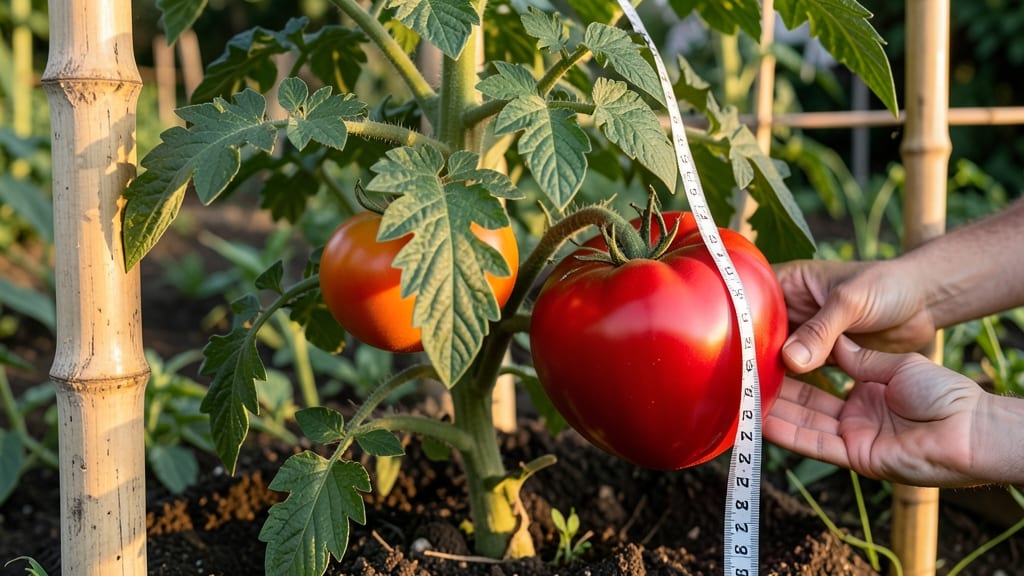
The biggest tomato ever grown weighed 31.49 pounds (14.28 kg), a record set by a beefsteak variety called 'Giant Arizona' in 2021. This massive tomato required precise growing conditions, including heavy staking, nutrient-rich soil, and controlled climate environments.
The record-breaking 'Giant Arizona' tomato wasn't just an accident—it was the result of decades of selective breeding focused on beefsteak varieties, which naturally produce larger fruit due to their thick flesh and robust vines. 🌱 What's fascinating is how growers manipulate multiple factors: they use specialized pollination methods to encourage single, massive fruit development instead of clusters, while maintaining precise soil moisture and temperature ranges.
This tomato's size also highlights how modern agriculture pushes natural limits, creating fruits that would have been unimaginable just a century ago.
For home gardeners, replicating these conditions requires patience and attention to detail. The key isn't just choosing beefsteak varieties—it's about creating an environment where the plant can devote all its energy to one fruit rather than multiple smaller ones.
This means carefully managing water intake, providing robust support systems, and monitoring for pests that could stress the plant before it reaches its full potential.
💡 In This Article
- How Giant Tomatoes Achieve Record-Breaking Sizes
- Growing Giant Tomatoes: Step-by-Step Guide for Gardeners
How giant tomatoes achieve record-breaking sizes
The 'Giant Arizona' tomato's record-breaking size of 31.49 pounds (14.28 kg) isn't just about luck—it's the result of beefsteak varieties' unique genetic traits. These tomatoes have thick, meaty walls and fewer seeds, allowing them to store more water and nutrients.
The plant's indeterminate growth habit means it keeps producing new leaves and branches, which can support ever-larger fruit when properly managed. 🌿 Unlike cherry tomatoes, which develop clusters of small fruit, beefsteak varieties can redirect energy into single massive specimens when growers control pollination.
Pollination plays a crucial role in giant tomato development. Growers often use a technique called "single-truss training," where they remove all but one flower cluster per stem. This forces the plant to concentrate its resources into developing just one fruit, which can grow to extraordinary sizes.
The 'Giant Arizona' record-holder required precise hand-pollination to ensure proper fertilization of the massive blossom. Soil composition is equally critical—these giants thrive in loose, well-draining soil with a pH between 6.0-6.8, rich in organic matter like composted manure or worm castings.
The ideal mix provides both nutrients and proper aeration for root development.
Climate control creates the perfect environment for these giants. Temperatures must stay between 70-85°F (21-29°C) during the day and above 55°F (13°C) at night. Too much heat causes blossom drop, while cold snaps stunt growth.
Growers use heavy staking systems—often wooden frames or metal cages—to support the weight of developing fruit, which can reach 20 pounds (9 kg) before reaching maturity. Water management is equally precise: consistent moisture prevents cracking, but overwatering leads to diluted flavor and weaker cell structure.
A drip irrigation system delivers 1-2 inches (2.5-5 cm) of water per week, adjusted based on rainfall.
Pruning techniques further maximize growth potential. Growers remove suckers (side shoots) to redirect energy to the main stem and fruit, while topping the plant (cutting the growing tip) when the desired fruit size is reached prevents further energy drain.
The 'Giant Arizona' record-setter required 12-16 weeks from pollination to harvest, with daily monitoring for pests like hornworms or diseases such as early blight. Even with perfect conditions, only about 1 in 10,000 tomatoes reach record-breaking proportions—making each giant a testament to agricultural precision. 🌱
What makes these tomatoes truly remarkable is their cellular structure. Giant varieties develop larger cells in their flesh, particularly in the locule (central cavity) where seeds would normally be.
In beefsteak tomatoes, this area expands dramatically, creating the thick, meaty texture that can reach 1.5 inches (3.8 cm) thick in record specimens. The skin also thickens to 0.1-0.2 inches (2.5-5 mm), providing structural support while maintaining flexibility.
This cellular expansion requires perfect balance—too much water causes the skin to split, while insufficient moisture leads to hard, woody texture.
For comparison, the average grocery store tomato weighs just 4-6 ounces (113-170 g), while even large heirloom varieties typically max out at 1-2 pounds (0.45-0.9 kg).
The 'Giant Arizona' record-setter was 16 times heavier than the average tomato, demonstrating how targeted breeding and agricultural techniques can push natural limits.
This achievement also highlights the importance of patience—record tomatoes require 2-3 times longer to mature than standard varieties, with growers often waiting 3-4 months from planting to harvest for maximum size. 🌟