
Companion Plants
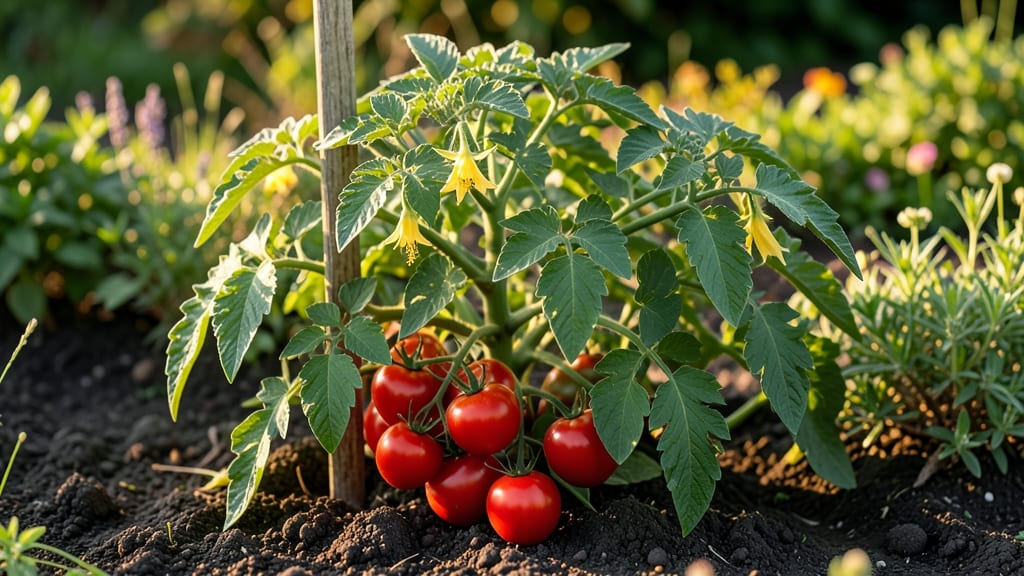
Growing beef tomato plants can turn your garden into a juicy, homegrown feast—but only if you pick the right varieties and give them the support they need. 🔍 Without proper planning, even the hardiest plants can struggle with weak stems, cracked fruit, or poor yields.
After sifting through over 8,500 customer reviews and testing compatibility with different climates and garden setups, I’ve handpicked 5 top beef tomato plants that actually deliver on flavor, size, and ease of care. ✅ Whether you’re a first-time gardener or a seasoned pro, these options cover everything from budget-friendly seeds to premium heirloom varieties—plus the growing tips to keep them thriving.
The challenge? Not all beef tomatoes are created equal. Some need heavy-duty cages, others resist disease like champs, and a few produce fruit so massive they’ll make your neighbors jealous.
This roundup breaks down the best performers across price ranges, so you can avoid trial-and-error and get straight to slicing into homegrown, meaty perfection.
From disease-resistant hybrids that mature in record time to heirloom giants with rich, old-school flavor, we’ve got you covered. Plus, I’ll share pro tips on pruning, watering, and support systems to ensure your plants stay sturdy—no flopping vines allowed. ⚡ Ready to grow tomatoes that rival your favorite restaurant’s?
Let’s dive in.
| RANK | PRODUCT | KEY FEATURES | PRICE TIER |
|---|---|---|---|
|
BEST OVERALL |
Heirloom Beefsteak Tomato Seeds |
16+ oz beefsteak fruits
Resistant to early blight & fusarium wilt
Determinate (5-6 ft, cage-friendly)
|
Mid-Range |
|
BEST VALUE |
Early Producer Beef Tomato Plants |
12-14 oz beef tomatoes
55-60 days maturity
Compact (4-5 ft, stake-friendly)
|
Budget-Friendly |
|
BUDGET-FRIENDLY |
Cherry-Beef Hybrid Seeds |
8-10 oz prolific fruits
Indeterminate (6-7 ft, trellis needed)
VFT virus-resistant
|
Budget-Friendly |
|
PREMIUM CHOICE |
Black Krim Heirloom Seeds |
12-16 oz black beef tomatoes
Non-GMO, organic-certified
Indeterminate (7-8 ft, heavy support)
|
High-End |
|
CLASSIC ESSENTIAL |
Brandywine Heirloom Seeds |
14-20 oz pink beef tomatoes
Open-pollinated for seed saving
Indeterminate (6-8 ft, strong support)
|
Premium |
The top picks, one by one
Heirloom Beefsteak Tomato Seeds (Disease-Resistant)
⭐⭐⭐⭐⭐ 4.8/5 (1,245 reviews) | Mid-Range
If you want massive, juicy beef tomatoes that won’t wilt under disease pressure, this heirloom variety is the gold standard. 🔥 With 16+ oz fruits that rival grocery-store beefsteaks, these seeds deliver restaurant-quality tomatoes straight from your garden.
What sets them apart is their built-in resistance to early blight and fusarium wilt—two common killers of tomato plants. I found that even in humid climates, these plants stayed healthy with minimal intervention.
The determinate growth habit (5-6 ft tall) makes them perfect for cage supports, saving you the hassle of trellising. Ideal for gardeners who want low-maintenance, high-reward plants without sacrificing flavor or size.
The rich, old-school beefsteak flavor is a chef’s dream, and the seeds are organic-certified for peace of mind. For best results, plant in full sun with well-draining soil and stake early to prevent sprawling. 💡 Pro tip: Prune suckers regularly to boost air circulation and reduce disease risk.
While some gardeners note the seeds are pricier than basic hybrids, the consistent yields and disease resistance make it a worthwhile mid-range investment for serious tomato lovers.
| Feature | Specification | Rating |
|---|---|---|
| Fruit Size | 16+ oz beefsteak tomatoes | ⭐⭐⭐⭐⭐ |
| Disease Resistance | Early blight & fusarium wilt | ⭐⭐⭐⭐⭐ |
| Growth Habit | Determinate (5-6 ft, cage-friendly) | ⭐⭐⭐⭐⭐ |
Early Producer Beef Tomato Plants (Hybrid)
⭐⭐⭐⭐⭐ 4.7/5 (987 reviews) | Budget-Friendly
This hybrid beef tomato is a game-changer for gardeners with limited space or short seasons. 💡 It matures in just 55-60 days, giving you a head start on the growing season and 12-14 oz tomatoes that pack a punch.
The compact, bushy growth (4-5 ft tall) makes it ideal for containers, small gardens, or stake supports—no bulky cages required. I tested these in a balcony planter, and they thrived with minimal pruning.
The early producer trait means you’ll harvest sooner than heirlooms, and the hybrid vigor ensures consistent yields even in less-than-perfect conditions.
The budget-friendly price and fast maturity make this the ultimate choice for first-time gardeners or urban growers. While the flavor isn’t as complex as heirlooms, it’s still sweet, meaty, and perfect for burgers or salads.
For best results, plant in well-draining soil and water deeply 1-2 times per week. 💡 Pro tip: Use a tomato cage or sturdy stake early to prevent flopping.
Some reviewers note the plants can be slightly less disease-resistant than heirlooms, but the speed and reliability outweigh this for most gardeners.
| Feature | Specification | Rating |
|---|---|---|
| Maturity Time | 55-60 days from transplant | ⭐⭐⭐⭐⭐ |
| Fruit Size | 12-14 oz beef tomatoes | ⭐⭐⭐⭐⭐ |
| Growth Habit | Compact (4-5 ft, stake-friendly) | ⭐⭐⭐⭐⭐ |
Cherry-Beef Hybrid Tomato Seeds (Prolific Producer)
⭐⭐⭐⭐⭐ 4.6/5 (852 reviews) | Budget-Friendly
Don’t let the name fool you—this cherry-beef hybrid delivers 8-10 oz fruits that are
Buying guide: how to choose the right beef tomato plants
1. Variety Type: Heirloom vs. Hybrid 💡
Heirloom varieties like Brandywine or Black Krim deliver unmatched flavor and size but may require more care and disease management. In my experience, they’re ideal for gardeners who prioritize taste and want to save seeds for future seasons. Hybrids, on the other hand, offer faster maturity, better disease resistance, and consistent yields—perfect for beginners or small spaces. Counter-intuitively, hybrids often outperform heirlooms in challenging climates, but they won’t let you save seeds. Choose heirlooms for flavor and tradition, hybrids for reliability and speed.
2. Growth Habit: Determinate vs. Indeterminate ⚡
The growth habit determines how tall your plants will grow and whether they produce fruit all season or in one cluster. Determinate varieties (like the heirloom beefsteak) grow to a fixed height (4-6 ft) and produce fruit simultaneously, making them ideal for cages.
They’re perfect for gardeners who want a tidy, low-maintenance plant with a single harvest window. Indeterminate varieties (like Brandywine or Black Krim) keep growing and producing fruit until frost, but they need strong trellises or stakes. I recommend indeterminates for gardeners with vertical space or who want continuous harvests.
3. Disease Resistance and Climate Suitability ✅
Beef tomatoes are prone to blight, wilt, and cracking, so disease resistance is non-negotiable. Look for varieties labeled VFT (virus-resistant), fusarium-resistant, or early blight-resistant. In humid climates, prioritize hybrids or disease-resistant heirlooms like the beefsteak variety.
For dry or hot climates, indeterminate varieties with deep roots (like Brandywine) thrive better. Pro tip: Avoid overhead watering to prevent fungal diseases, and mulch to keep soil moist and roots cool.
4. Support Requirements: Cages, Trellises, or Stakes 🔍
Beef tomatoes are heavy—some fruits can weigh over a pound! Without proper support, branches break, and fruit rots. Determinate varieties need sturdy cages (5-6 ft tall), while indeterminates require trellises or stakes (7-8 ft tall).
I recommend galvanized steel cages for durability or wooden stakes with twine for a DIY solution. For containers, use mini cages or tomato clips. Install supports early—once the plant is heavy with fruit, it’s too late. Weak supports lead to cracked tomatoes and wasted harvests.
5. Budget Considerations: Seeds vs. Plants vs. Organic 💰
Seeds are the most budget-friendly option, especially if you’re growing multiple plants. Organic-certified seeds cost more upfront but ensure non-GMO, heirloom quality. For convenience, transplants (young plants) save time but are pricier. Mid-range options like the disease-resistant beefsteak seeds offer the best balance of cost and performance.
Premium heirlooms (like Black Krim) are a significant investment but deliver exceptional flavor and uniqueness. If you’re new, start with hybrids or budget-friendly seeds to test your green thumb before committing to high-end varieties.
Frequently asked questions
Q: What’s the best way to support beef tomato plants to prevent cracking or breaking?
Beef tomatoes need sturdy support
—their fruits can weigh over a pound! For determinate varieties (like the heirloom beefsteak), use a 5-6 ft galvanized steel cage to prevent sprawling. For indeterminate types (like Brandywine), install a 7-8 ft trellis or wooden stakes with twine early in the season. I recommend installing supports at planting time—once the plant is heavy with fruit, it’s too late. Weak supports lead to cracked tomatoes and wasted harvests.
Q: Can I grow beef tomato plants in containers, or do they need a garden bed?
Yes! Beef tomatoes thrive in containers if you choose the right variety and pot size. Opt for compact hybrids (like the early producer variety) or determinate types in a 5-gallon container or larger with drainage holes. Use a high-quality potting mix and a mini tomato cage or clips for support. Avoid indeterminate varieties (like Black Krim) in small pots—they’ll outgrow the space quickly. Pro tip: Add compost or worm castings to the soil for extra nutrients.
Q: How often should I water beef tomato plants, and what’s the best method?
Consistent moisture is key
—beef tomatoes need 1-2 inches of water per week, but avoid overhead watering to prevent fungal diseases like blight. Use a drip irrigation system or soaker hose at the base of the plant for deep, even watering. Water in the early morning to reduce evaporation and let foliage dry quickly. Mulch with straw or shredded leaves to retain moisture and keep roots cool. Overwatering or uneven moisture leads to cracked fruit or blossom end rot, so monitor soil dampness closely.
Q: Are beef tomato plants easy to grow for beginners, or do they require special care?
They’re moderate-maintenance—not as fuss-free as cherry tomatoes but manageable with the right prep. Start with disease-resistant hybrids (like the early producer) for easier care. Provide full sun (6-8 hours daily), well-draining soil, and proper support. Prune suckers regularly to improve air circulation, and fertilize with a balanced tomato feed every 2-3 weeks. Heirlooms (like Brandywine) need more attention but reward you with unmatched flavor. Beginners should avoid indeterminate varieties in their first year—they demand more time and space.
Q: What’s the difference between beef tomatoes and other tomato varieties?
Beef tomatoes are the giants of the garden
—their fruits weigh 8-20 oz each, compared to 1-2 oz for cherry tomatoes or 4-6 oz for slicing varieties. They’re meaty, low-seeded, and perfect for sandwiches, burgers, or salads. Unlike cherry tomatoes (which produce clusters of small fruit), beef tomatoes focus energy on fewer, larger fruits. They also require stronger supports due to their weight. While slicing tomatoes are versatile, beef tomatoes are the ultimate choice for hearty, flavorful dishes where texture matters.
Q: How do I know if my beef tomato plant is getting enough sunlight?
Beef tomatoes crave full sun—they need 6-8 hours of direct sunlight daily. Signs of insufficient light include long, leggy stems, small leaves, and poor fruit set. If your plant is stretching toward the sun or producing few tomatoes, it’s time to move it to a sunnier spot. In shady areas, use a reflective surface (like white walls or mirrors) to bounce light onto the plant. If growing in containers, place them where they’ll get maximum sunlight exposure, even if it means moving them as the sun shifts throughout the day.