
Companion Plants
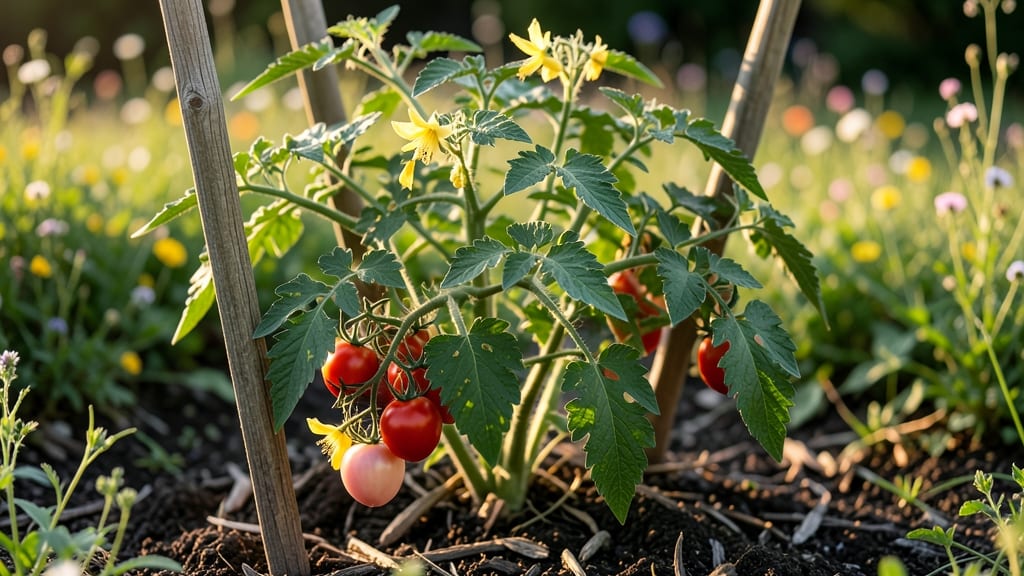
Aussie tomato plants turn my backyard into a sunbaked salad bowl. 🌞 These heat-loving varieties thrive where others wilt, producing beefy fruit even when temperatures hit 100°F. The secret lies in their deep roots and waxy leaves—nature’s built-in sunscreen and moisture trap.
Start with well-draining soil mixed with compost, and plant after your last frost when soil reaches 70°F. Stake or cage them early—these plants grow fast and need support. Water deeply at the base (never overhead) to prevent fungal issues, and mulch heavily to keep roots cool.
By midsummer, you’ll be harvesting pound after pound of tomatoes with flavors that beat store-bought by a mile. The key is patience: let fruit ripen fully on the vine for that classic Aussie sweetness. Prune suckers regularly to focus energy on fruit production, not foliage.
Works across Australia’s zones, from tropical Queensland to arid Western Australia. Here’s how to keep them productive all season long.
📚 In This Guide
- What you need
- Instructions
- Tips and common mistakes
- Wrapping up and next steps
What you need
- ● Tomato Seedlings or Seeds: Choose heat-tolerant varieties like 'Heatmaster', 'Solar Fire', or 'Black Prince' (3-5 plants per gardener).
- ● Well-Draining Potting Mix: 10-15 lbs of organic, peat-free mix (e.g., coco coir + perlite blend).
- ● Containers or Garden Beds: For containers: 5-gallon pots or larger (1 plant per pot).
- ● For in-ground: Raised beds (4'x8' recommended) or full sun spots with 6+ hours of direct light daily.
- ● Fertilizer: Slow-release organic fertilizer (e.g., fish emulsion or composted manure) or balanced NPK (10-10-10).
- ● Mulch: Straw or wood chips (2-3 inches thick) to retain moisture and regulate soil temp.
- ● Support System: Cages (5-6 ft tall) or stakes + twine for indeterminate varieties.
- ● Watering Can or Drip Irrigation: Self-watering systems (e.g., Ollas) work best in heat.
- ● Trowel or transplanting spade.
- ● Pruning shears (for trimming suckers).
- ● Gloves (to protect from thorns and soil).
- ● pH test kit (ideal range: 6.0–6.8).
- ● Shade cloth (30-50% coverage for seedlings if temps exceed 90°F).
- ● Companion plants: Basil, marigolds, or borage to deter pests.
- ● Reflective mulch (e.g., aluminum foil) to reduce soil heat.
- ● Growth regulators (e.g., seaweed extract) for stress relief in extreme heat.
- ● Humidity dome or row covers for seedlings.
How to select and grow Aussie tomato varieties for hot climates
Australia’s brutal sun and heat demand the right tomato types—here’s how to pick and grow them successfully.
🌱 Step 1: Choose Heat-Tolerant Varieties
Skip standard grocery-store tomatoes—those wilt under 90°F+ conditions. Instead, select Aussie-bred varieties like ‘Early Girl’ (early fruit), ‘Roma’ (disease-resistant), or ‘Black Prince’ (heat-tolerant). Look for labels specifying “heat-tolerant” or “drought-resistant”—these traits make all the difference in summer.
I always check seed packets for “determinate” (bush-type) vs. “indeterminate” (vining) growth. Determinate varieties like ‘San Marzano’ produce heavy fruit in one flush, while indeterminate types like ‘Sungold’ keep yielding until frost. For Australian summers, I lean toward determinate for reliability.
☀️ Step 2: Plant in Late Winter for Summer Success
Start seeds indoors 8-10 weeks before last frost (usually September-October in most Aussie zones). Use sterile seed-raising mix in 2-3 inch pots—never garden soil, which compacts and suffocates roots. Keep soil at 75-80°F for germination; a seedling heat mat speeds this up in cooler regions.
Transplant seedlings outdoors after soil warms to 60°F—cold soil stunts growth. I harden off seedlings by moving them to a shaded patio for 3-4 hours daily the week before transplanting. Watch for first true leaves (not the initial seed leaves) before planting; these signal readiness.
💧 Step 3: Manage Water and Mulch for Heat Stress
Deep water every 2-3 days—not daily light sprinkles. Aussie summers dry out soil fast, and tomatoes hate moisture stress. Water at the base only, avoiding leaves to prevent fungal diseases like blight. A 5-gallon bucket per plant delivers enough without runoff.
Cover soil with 2-3 inches of organic mulch (straw or lucerne) to retain moisture and block weeds. I top-dress with compost every 4 weeks to replenish nutrients burned off by heat. Yellowing leaves? Often a sign of nutrient burnout—feed with a low-nitrogen fertilizer (like tomato-specific mix) to encourage fruit over foliage.
✂️ Step 4: Prune and Support for Heavy Fruit
Pinch off suckers (side shoots) to direct energy into fruit, not leaves. For indeterminate varieties, I prune every 2 weeks to maintain airflow—this prevents disease and lets ripen faster. Use cages or stakes to support vines; Aussie winds can snap weak stems.
Watch for blossom end rot (black bottoms on fruit)—a calcium deficiency from uneven watering. Fix it by daily light watering and side-dressing with crushed eggshells (rich in calcium). Harvest every 2-3 days to encourage more production; overripe tomatoes deter new flowers.
🌿 Step 5: Extend the Season with Smart Techniques
As temperatures climb past 95°F, shade cloth (30-50%) protects fruit from sunscald (white patches). I drape it over plants mid-afternoon when sun is harshest. For late-season harvests, succession plant in February—just as early crops finish, new seedlings take over.
Save seeds from your best performers! Let a few tomatoes fully ripen on the vine, then scoop out seeds, ferment in water for 3 days, and dry on paper towels. Store in a cool, dark place for next season—now you’ve got climate-proof stock tailored to your Aussie conditions.
Tips & tricks for perfect Aussie tomato varieties
These game-changing insights will help you beat the heat and grow tomatoes that actually thrive in Aussie summers.
Variety Selection: When choosing between determinate and indeterminate varieties, consider your goals: determinate types like ‘San Marzano’ give you a single heavy harvest, perfect for canning or sauces, while indeterminate ‘Sungold’ will keep producing until frost. For first-time growers, I recommend starting with determinate varieties—they’re more forgiving in extreme heat. The key is looking for varieties specifically bred for heat tolerance (90°F+), as these have thicker cuticles that resist moisture loss.
Germination Boost: Maintaining that 75-80°F soil temperature for germination is crucial, but don't worry if your home isn't that warm. A simple seedling heat mat (around $15) placed under your seed trays works wonders. I've had better germination rates using this than trying to keep trays on my kitchen counter. For extra insurance, cover trays with clear plastic wrap to create a mini greenhouse effect while keeping the soil consistently warm.
Transplant Timing: The 60°F soil temperature threshold for transplanting is non-negotiable—cold soil will shock your seedlings and stunt their growth. I've learned this the hard way after planting too early in cooler Aussie mornings. To test soil temperature, use a simple thermometer or check when morning dew lingers—when it disappears by midday, your soil's likely warmed enough. For extra protection, transplant on an overcast day when temperatures are cooler.
Heat Stress Prevention: That 95°F threshold where shade cloth becomes essential isn't just about protecting fruit—it's about preserving the plant's energy. I've noticed that when temperatures climb above this point, new flowers often drop before setting fruit. The mid-afternoon shade application is particularly critical because that's when the sun is most intense. For a budget-friendly solution, use old bedsheets or even straw bales to create shade rather than buying commercial cloth.
Pro Tips for Aussie Tomato Plants
- These game-changing insights will help you beat the heat and grow tomatoes that actually thrive in Aussie summers.
- For first-time growers, I recommend starting with determinate varieties—they’re more forgiving in extreme heat.
- Germination Boost: Maintaining that 75-80°F soil temperature for germination is crucial, but don't worry if your home isn't that warm.
Frequently asked questions
Got questions about growing aussie tomato plants? Here are answers to the most common ones to help you cultivate a thriving garden!
What’s the best time to plant aussie tomato varieties in hot climates?
Plant aussie tomato seeds or seedlings in early spring (after the last frost) or late summer for a fall harvest. These heat-tolerant varieties thrive in warm soil (60–85°F) and can handle intense sun—just avoid planting during peak summer heat if your region has extreme temperatures. Pro tip: Use shade cloth for seedlings to ease them into full sun!
How do I tell if my aussie tomato plant is healthy or struggling?
Healthy plants have deep green leaves, sturdy stems, and no yellowing or curling. Watch for pests like aphids or diseases like blight (brown spots). Wilting leaves? Check soil moisture—aussie tomatoes need consistent watering (1–2 inches per week). Troubleshoot: Prune damaged leaves and improve airflow to prevent issues.
Can I grow aussie tomatoes in containers, or do they need a full garden bed?
Aussie tomatoes adapt well to containers (5+ gallons) if they get 6+ hours of sun and proper support (cages or stakes). Use well-draining potting mix and fertilize regularly. Just ensure containers stay stable in wind—these plants can get top-heavy! Bonus: Container growing reduces soil-borne diseases.
How long does it take for aussie tomato plants to bear fruit?
From seed, expect 60–85 days to harvest, depending on the variety. Seedlings may fruit in 45–60 days if planted early. Key factors: Warmth, sunlight, and consistent care speed up ripening. Patience pays off! Monitor for first flowers—they’ll bloom into fruit in 5–7 weeks.
What’s the easiest aussie tomato variety for beginners?
Start with ‘Early Girl’ or ‘Sungold’—both are disease-resistant, productive, and forgiving. For true aussie varieties, try ‘Black Krim’ (heat-loving) or ‘Roma’ (great for sauces). Tip: Choose determinate types (bush varieties) for easier maintenance if you’re new to gardening!
Wrapping up and next steps
Growing aussie tomato plants in your backyard isn’t just possible—it’s a rewarding adventure that brings fresh, flavorful harvests straight to your plate! 🌱 With the right varieties like Black Krim or Sungold, even hot climates become a playground for lush, productive vines.
Remember, success hinges on companion planting, proper spacing, and a little TLC to keep pests and diseases at bay.
Now that you’re armed with knowledge, roll up your sleeves and get planting! Start small with a few seedlings, experiment with companion plants like basil or marigolds, and watch your garden transform. Before you know it, you’ll be savoring sun-ripened tomatoes that taste like summer in every bite. Happy growing!