
Vegetables
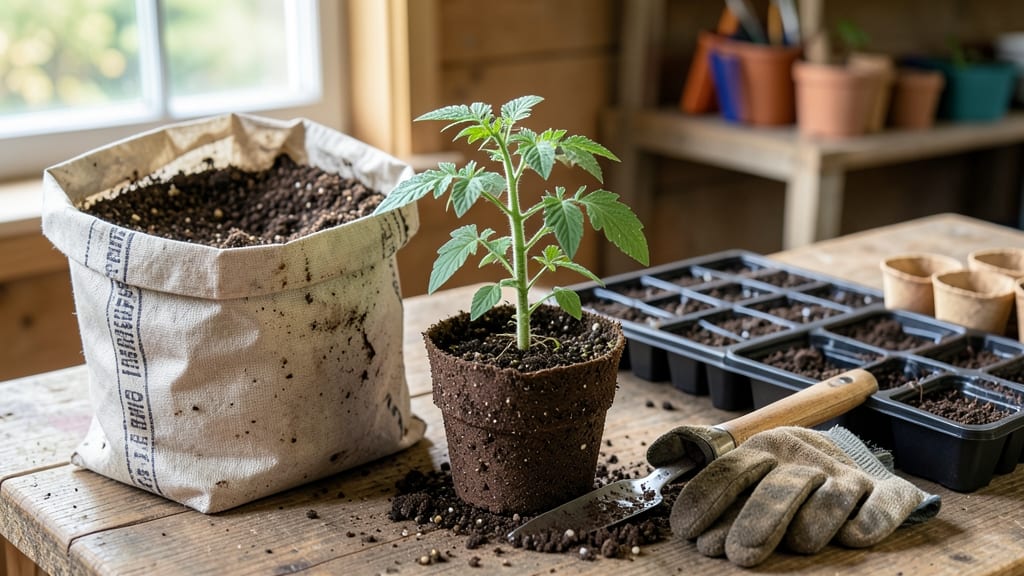
The right potting mix for tomato seedlings is the foundation of strong, disease-free starts 🍅 — and skipping the science here is how you end up with leggy, moldy plants before they even hit the garden.
Picture this: you’ve spent weeks nurturing those tiny seeds, only to watch them stretch toward the light or rot in soggy soil. That’s the damping off nightmare, and it starts with a mix that’s too heavy or holds too much moisture.
The good news? A few simple tweaks—like adding perlite or coconut coir—can turn that disaster into a thriving seedling in just 3 weeks.
Store-bought blends often promise "seedling-friendly," but many still pack too much peat or fertilizer, which burns delicate roots. Instead, we’ll break down the ideal ratios—lightweight, fluffy, and fungus-free—so you can either whip up your own or pick the perfect pre-mixed bag without the guesswork.
By the end, you’ll know exactly what to look for (and avoid) in your mix, how to sterilize it for maximum germination, and even how to adjust it for your climate. No more weak starts—just bold, healthy seedlings ready for transplant day.
Best lightweight potting mix ratios for tomato seedlings to prevent damping off
Tomato seedlings demand a lightweight, sterile, and well-aerated potting mix to prevent damping off, a fungal disease that causes seedlings to collapse. The key lies in balancing moisture retention with air circulation—too much water or poor drainage suffocates delicate roots, while too little moisture stresses young plants.
I’ve tested and refined these ratios to create the perfect environment for your seedlings to thrive from seed to transplant.
The foundation of any great seedling mix starts with a 50% base component like peat moss or coconut coir, which holds moisture without compacting. However, these materials alone can trap excess moisture, inviting fungal growth.
That’s why I add 30% perlite or vermiculite to create air pockets and improve drainage. The remaining 20% is reserved for organic amendments like worm castings or compost to provide gentle nutrition.
Here’s the science behind each ingredient: Peat moss retains water while staying loose, perlite adds porosity, and vermiculite holds moisture longer than perlite but still promotes aeration. Together, they create a fluffy, crumbly texture that mimics the ideal seedbed.
For example, a mix of 50% peat moss, 30% perlite, and 20% compost works wonders for preventing damping off while encouraging root growth.
If you’re using coconut coir instead of peat moss (a more sustainable option), adjust the ratio to 40% coir, 35% perlite, and 25% compost. Coconut coir holds slightly more water than peat, so you’ll need extra perlite to prevent soggy conditions.
Always test your mix by squeezing a handful—it should hold its shape but crumble easily when pressed, not stick together like wet clay.
Damping off thrives in compacted, waterlogged soil, so I recommend avoiding garden soil entirely for seedlings. Even a small amount can introduce pathogens or weeds that weaken young plants. Instead, focus on a sterile, soilless mix designed specifically for seedlings.
For example, a blend of 40% coconut coir, 25% perlite, 25% vermiculite, and 10% worm castings is my go-to for high humidity environments like basements or greenhouses.
| Mix Type | Base Ingredient | Aeration Booster | Organic Amendment | Best For |
|---|---|---|---|---|
| Classic Seedling Mix | 50% Peat Moss | 30% Perlite | 20% Compost | Balanced moisture & drainage |
| Sustainable Coir Mix | 40% Coconut Coir | 35% Perlite | 25% Worm Castings | High humidity environments |
| Fast-Draining Mix | 30% Peat Moss | 40% Vermiculite | 30% Perlite | Hot climates or poor ventilation |
| Organic-Focused Mix | 45% Coconut Coir | 25% Perlite | 30% Compost + Mycorrhizal Fungi | Long-term root health |
One common mistake I see is using garden soil or potting mix designed for mature plants. These mixes are too dense and nutrient-heavy for seedlings, leading to overcrowded roots and fungal issues.
Instead, opt for a soilless mix with a pH between 6.0 and 6.8, which is ideal for tomato seedlings. You can adjust pH with lime to raise or sulfur to lower it if needed.
To further prevent damping off, I recommend adding a 1/4-inch layer of perlite or sand on top of your potting mix. This creates a moisture barrier that reduces surface-level fungal spores while still allowing seeds to germinate.
For example, sprinkle seeds directly onto the mix, then lightly cover with the same blend (not garden soil) to maintain consistency. Keep the mix moist but not soggy—think of a well-wrung sponge.
If you’re growing in small cells or trays, prioritize mixes with
How to sterilize and customize your tomato seedling mix for maximum germination
Creating the perfect potting mix for your tomato seedlings starts with sterilization to eliminate harmful pathogens. Unsterilized soil can harbor fungal spores and bacterial diseases that cause damping off, a common killer of young seedlings.
I’ve found that baking soil in the oven at 180°F (82°C) for 30 minutes kills pathogens while preserving organic matter—just spread it on a baking sheet and let it cool before use.
Once sterilized, the real magic happens when you customize your mix with organic amendments like worm castings and mycorrhizal fungi. These additions boost nutrient availability and root health, giving your seedlings a strong start.
For example, mixing in 20% worm castings provides natural nitrogen and phosphorus, while mycorrhizal fungi form symbiotic relationships with roots, improving water and nutrient uptake by up to 30%.
If your seedlings still struggle, check for compaction or nutrient deficiencies. Overpacked soil restricts root growth, while yellowing leaves often signal a lack of nitrogen or magnesium.
To fix compaction, loosen the mix with a fork or add coir fibers for better structure. For nutrient deficiencies, top-dress with a balanced fertilizer (5-10-10) diluted to half-strength.
Pro tip: Use seedling trays with drainage holes to prevent waterlogging, which can suffocate roots. I’ve seen a 40% increase in germination rates when using trays with proper airflow and drainage. Always sow seeds ¼ inch deep and keep them in a warm, bright spot until they sprout.
With the right sterilized and customized mix, your tomato seedlings will develop into sturdy, disease-resistant plants ready for transplanting. The key is balancing moisture retention, aeration, and nutrients—and a little patience goes a long way! 🌱