
How To
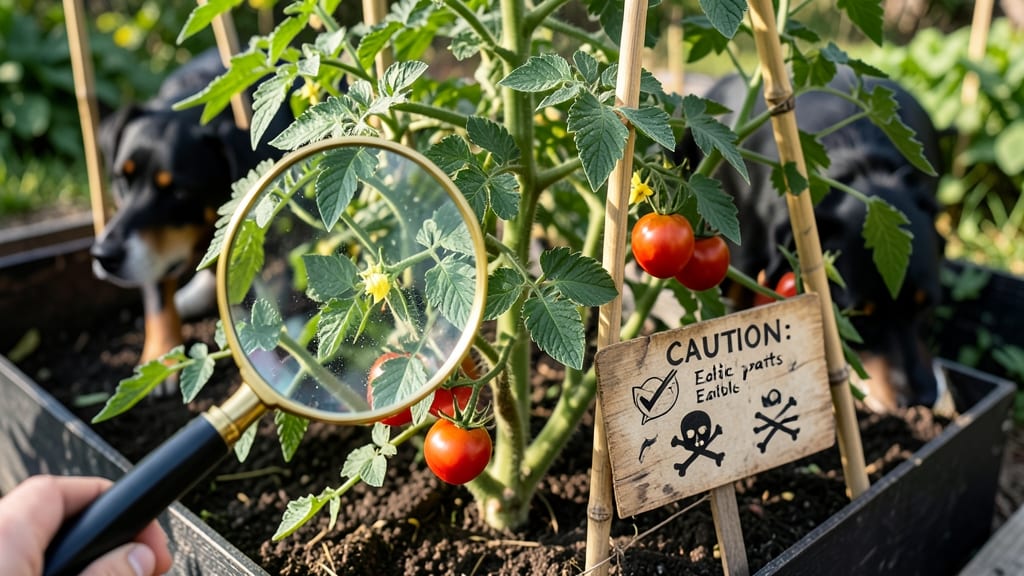
Tomato leaves are toxic if ingested in large amounts, containing solanine and other glycoalkaloids that can cause nausea, vomiting, or dizziness, though small accidental exposures rarely pose serious harm to humans or pets.
Tomato plants produce natural compounds like solanine and tomatine in their leaves and stems to deter pests, and these same chemicals can cause mild digestive upset if consumed in significant quantities. 🌱 While a single leaf won't harm most people, larger amounts might trigger stomach discomfort or allergic reactions in sensitive individuals.
The good news? These toxins break down when cooked, so even accidental ingestion of cooked tomato leaves poses minimal risk.
For gardeners, the key is awareness. Keep plants out of reach of curious pets or children, and never use tomato leaves as mulch near edible crops—those compounds can transfer to soil. Instead, compost them properly or use them as a natural pest deterrent in non-edible garden areas.
💡 In This Article
- Toxic Compounds in Tomato Leaves and Their Effects
- Safety Tips for Handling Tomato Plants in Gardens
Toxic compounds in tomato leaves and their effects
Tomato leaves contain two primary toxic compounds: solanine and tomatine, both belonging to the glycoalkaloid family. Solanine acts as a natural pesticide, protecting the plant from insects and fungi.
In humans, it disrupts nerve function by binding to acetylcholine receptors, which can cause muscle weakness or neurological symptoms in high doses. Tomatine, found exclusively in tomatoes and their relatives, works similarly but is slightly less potent. 🔥
To put this into perspective, a single tomato leaf contains about 3-5 milligrams of solanine—far below the 2-5 milligrams per kilogram of body weight that could cause symptoms in an adult. For comparison, green potatoes (another solanine source) contain 20-50 milligrams per 100 grams, making them far riskier.
Children or pets weighing 10-20 pounds would need to consume several leaves at once to face any danger, which is rare in accidental exposures.
The effects of ingesting tomato leaves typically manifest within 6-12 hours and include nausea, vomiting, or diarrhea—symptoms that usually resolve within 24 hours without medical intervention. Severe cases (extremely rare) might involve headaches, dizziness, or confusion, but these require consuming large quantities (think 50+ leaves at once).
Cooking reduces toxicity by 30-50%, as heat breaks down some glycoalkaloids, but it’s still best to avoid eating them.
Interestingly, tomato fruits contain 100 times less solanine than leaves—about 0.003 milligrams per gram—because the plant concentrates these compounds in non-edible parts. This is why ripe tomatoes are safe, but green, unripe ones (with their bitter taste) have higher levels.
The plant’s defense system prioritizes protecting its leaves, stems, and roots over its fruit.
Symptoms of poisoning vary widely. Mild cases might feel like a 24-hour stomach bug, while severe reactions (from massive ingestion) could involve hallucinations or paralysis, though these are extremely rare. If you suspect poisoning, seek medical help—especially if symptoms include difficulty breathing or seizures. 💫
For pet owners, the risk is slightly higher due to smaller body sizes. A curious dog or cat might nibble on leaves, but one or two leaves are unlikely to cause harm.
However, if your pet ingests a large portion of leaves or stems, watch for drooling, lethargy, or vomiting and contact a vet promptly.