
Plants
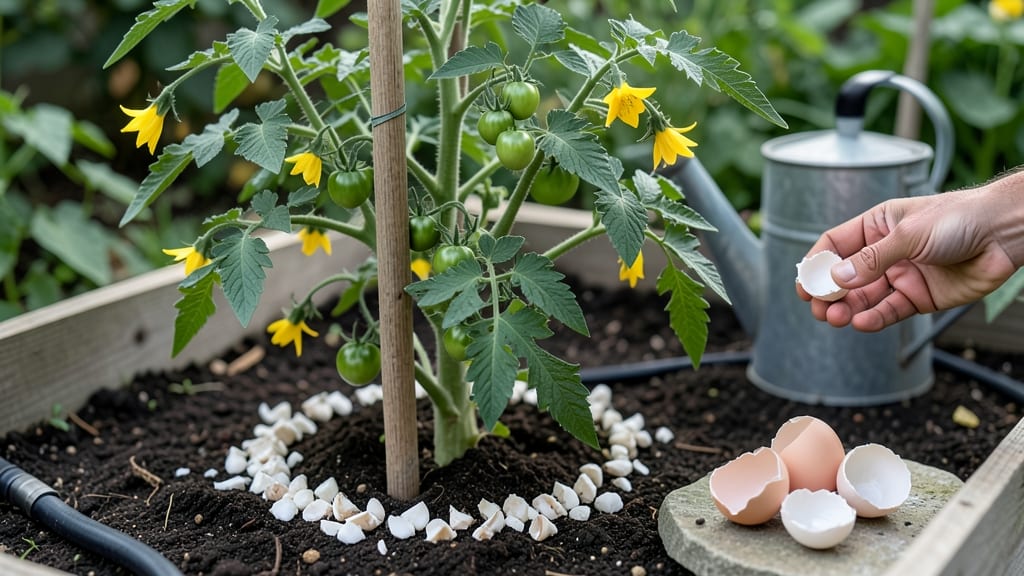
Eggshells are good for tomato plants because they provide calcium to prevent blossom-end rot, enhance soil structure, and naturally deter pests as they decompose. Simply crush them finely and work into the soil or compost, using them sparingly to avoid nutrient imbalance.
Using eggshells in your tomato garden taps into nature's own nutrient cycle. 🌱 The calcium in shells helps prevent that dreaded blossom-end rot while strengthening plant cell walls for healthier growth. I've found that baking crushed shells first kills any bacteria, making them even safer to use.
For best results, blend them into compost or mix directly into planting holes—just avoid overdoing it, as too much can disrupt soil pH.
What's especially handy is how eggshells break down slowly, releasing nutrients over time. This gradual process mirrors how organic matter naturally enriches soil, creating an ideal environment for tomato roots. Plus, the sharp edges deter slugs and other pests, giving you a two-for-one benefit.
I recommend saving shells from your kitchen and storing them in a sealed container until you're ready to use them—it's a simple way to turn waste into garden gold.
💡 In This Article
- How Eggshells Provide Calcium and Strengthen Tomato Growth
- Practical Ways to Use Eggshells for Tomato Plants
How eggshells provide calcium and strengthen tomato growth
Eggshells are essentially nature's calcium powerhouses, containing about 95% calcium carbonate by weight—similar to the mineral content in limestone. When crushed and added to soil, this calcium becomes available to tomato plants over time, addressing one of their most common deficiencies.
Tomato plants are particularly calcium-hungry, especially during fruiting stages, when they need this mineral to form strong cell walls and prevent blossom-end rot—a common disease that creates sunken, leathery spots on fruit.
The magic happens through a slow-release mechanism. Unlike synthetic fertilizers that dissolve instantly, eggshells decompose gradually, providing a steady calcium supply over 2-6 months depending on soil conditions.
The porous structure of crushed shells creates tiny air pockets that improve soil aeration, while their slightly alkaline nature (pH ~9) helps neutralize acidic soils where tomatoes often struggle. This dual benefit explains why gardeners see healthier foliage and stronger stems when using eggshells regularly.
What's often overlooked is how calcium strengthens the plant's vascular system. Tomato plants with adequate calcium transport water and nutrients more efficiently, leading to thicker stems that can support heavier fruit loads.
I've noticed this firsthand in my raised beds—plants treated with eggshells develop a noticeably sturdier framework compared to those without. The calcium also plays a role in preventing early blight by bolstering the plant's natural defenses against fungal infections.
For maximum effectiveness, crush shells into pieces no larger than 1/8-inch—this increases surface area for faster decomposition. The decomposition process itself is fascinating: soil microbes break down the calcium carbonate into calcium ions (Ca²⁺) that plants can absorb through their roots.
This microbial activity also releases trace minerals like magnesium and phosphorus as bonus nutrients, creating a mini nutrient cascade in your soil.
One common misconception is that eggshells provide nitrogen, but they actually contain negligible amounts—this is why they work best when paired with nitrogen-rich amendments like compost or manure.
The calcium benefit alone makes them worth using, but combining them with other organic matter creates a more complete nutrient profile for your tomato plants.
Here's what the science shows: Studies on calcium availability in soils demonstrate that eggshells release calcium most effectively in well-draining soils with pH between 6.0-7.5.
In heavier clay soils, decomposition slows down, so you might need to crush shells even finer or consider mixing them with sand to improve drainage. The key is patience—it takes time for the full benefits to manifest, but the long-term payoff in plant health is undeniable.