
Companion Plants
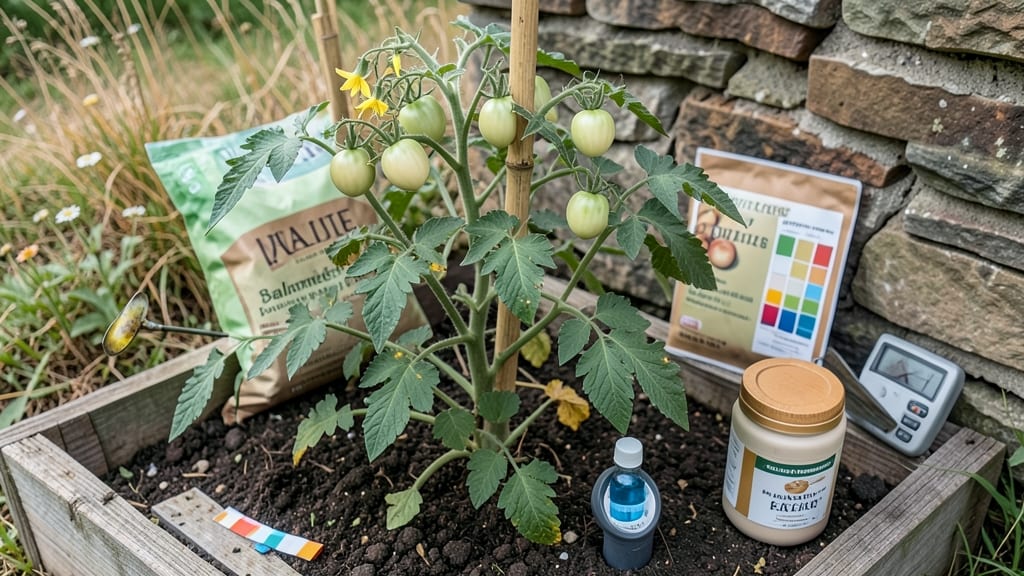
Your tomato plants are throwing a tantrum by refusing to turn red—and it’s usually not what you think. 🌱 The most common culprit isn’t pests or disease, but sunlight hunger: tomatoes need 6-8 hours of direct sun daily to ripen properly, and even partial shade can stall that red color.
I’ve seen gardeners blame everything from watering to fertilizer before realizing their plants were just starving for light.
The fix is simpler than you’d expect: move plants to a sunnier spot (even a few feet makes a difference), prune nearby shade-casters, or add a reflective surface (like white mulch or a mirror) to bounce extra light onto the fruit.
And here’s the kicker—overwatering can also block ripening by diluting nutrients, so let the top inch of soil dry out between waterings. Once you adjust these two things, you’ll see color changes within 2-3 weeks.
What you’ll end up with is tomatoes that blush from green to red instead of staying pale or mealy. The flavor deepens too—sun-ripened tomatoes taste like summer in a bite. And the best part? This solution works for cherry, beefsteak, and heirloom varieties alike, so no more sad, underripe harvests.
For stubborn cases, check your soil’s potassium levels (banana peels in the compost help!) and watch for blossom-end rot (a calcium deficiency that mimics poor ripening).
But start with light and water—those two fixes solve 80% of non-red tomato mysteries. Let’s get those vines producing the fruit you planted for.
Root Causes Behind Blah Tomatoes
If your tomato plants are thriving with green or yellow fruit but refusing to blush red, the issue likely stems from one (or several) of these key factors. Understanding the science behind each will help you diagnose—and fix—the problem before your harvest stays stuck in the "almost ripe" stage.
Tomatoes are sun-worshippers—they need 6 to 8 hours of direct sunlight daily to trigger the chemical reactions that turn green fruit red. Without enough light, chlorophyll (the green pigment) lingers, and lycopene (the red pigment) production stalls.
Why it happens:
- Photosynthesis slowdown: Low light reduces sugar production, delaying ripening.
- Ethylene hormone block: Sunlight helps regulate ethylene (the ripening hormone), so shade-stressed plants produce less.
- Temperature drops: Cooler temps in shady spots slow metabolic processes, including pigment change.
Actionable fix: Move plants to a sunnier spot, prune nearby trees/shrubs, or use reflective mulch to bounce light onto leaves.
Water is the lifeblood of ripening, but too much or too little throws off the balance. Tomatoes need consistent moisture—not soggy soil, not drought-stressed roots—to transport sugars and nutrients to the fruit.
Why it happens:
- Drought stress: Lack of water causes fruit to harden and halt ripening as the plant prioritizes survival.
- Overwatering: Poor drainage leads to root rot, starving the plant of nutrients needed for lycopene synthesis.
- Uneven watering: Fluctuating moisture levels confuse the plant’s hormonal signals, delaying ethylene production.
Actionable fix:
- Water deeply 1–2 inches per week (check soil moisture with your finger—top inch should be dry).
- Use drip irrigation or soaker hoses to keep roots consistently moist.
- Avoid wetting leaves (prevents disease) and mulch with straw to retain even moisture.
Tomatoes are warm-weather babies. If nights dip below 50°F (10°C) or days exceed 90°F (32°C), ripening grinds to a halt. Cold temps slow ethylene production, while heat causes blossom drop or sunscald, both of which prevent red development.
Why it happens:
- Cold nights: Ethylene synthesis (the ripening trigger) drops below 55°F (13°C).
- Heat stress: Above 90°F (32°C) causes fruit to stop growing and turn yellow instead of red.
- Day-night swings: Large temperature shifts disrupt sugar metabolism, leaving fruit underripe.
Actionable fix:
- Use row covers for early-season frost protection.
- Plant in afternoon shade (e.g., near a fence or trellis) in hot climates.
- Choose heat-tolerant varieties like ‘Solar Fire’ or ‘Heatmaster’ if you live in a hot zone.
Ripening is a sugar-and-energy-intensive process, and your tomatoes need the right nutrients to fuel it. Deficiencies in potassium (K) or phosphorus (P) can leave fruit green, while too much nitrogen (N) promotes leafy growth at the expense of fruit maturation.
Why it happens:
- Low potassium: Delays lycopene production and weakens cell walls, preventing color change.
- High nitrogen: Encourages lush foliage but starves fruit of sugars needed for ripening.
- Zinc/magnesium deficiency: Causes interveinal chlorosis, where leaves turn yellow between veins, reducing photosynthesis for fruit.
Actionable fix:
- Test your soil and amend with potassium-rich fertilizer (like 5-10-10) or wood ash (for potassium).
- Avoid high-nitrogen fertilizers (like blood meal) after flowering.
- Add compost or worm castings for balanced micronutrients.
Pests like hornworms, aphids, or whiteflies and diseases such as early blight or fusarium wilt sap your plant’s energy, leaving it too weak to ripen fruit properly. Even over-pruning can reduce fruit load, stretching resources thin.
Why it happens:
- Defoliation: Fewer leaves = less photosynthesis = fewer sugars for ripening.
- Root damage: Diseases like verticillium wilt block nutrient uptake, starving fruit.
- Over-pruning: Removing too many suckers or leaves reduces the plant’s ability to support fruit maturation.
Actionable fix:
- Handpick pests (🐛 hornworms!) and use neem oil or soapy water sprays for aphids.
- Rotate crops to prevent soil-borne diseases and avoid overcrowding plants.
- Prune only to improve airflow—never remove more than 20% of foliage.
Next up: How to Rescue Your Green Tomatoes—step-by-step fixes to turn your blush into a sunset-red harvest!
Quick Fixes for Blushing Tomatoes
If your tomato plants are playing hard to turn red, don’t panic—there’s always a way to coax those vibrant hues out of your fruit! The key is identifying the root cause and taking targeted action.
Below, we’ve mapped out practical solutions for each common issue, along with prevention tips to keep your tomatoes red and ripe all season long.
Tomatoes are sun-worshippers, and without enough light, they’ll stay green well past their prime. If your plants are shaded (even partially), here’s how to fix it:
🔥 Move or Relocate Plants
- For container growers: Shift pots to a south-facing window (or under grow lights if indoors). Rotate them weekly for even sun exposure.
- For garden beds: Prune nearby tall plants (like corn or sunflowers) that might be casting shade.
If relocating isn’t an option, trim lower leaves to improve airflow and light penetration. - Pro tip: 💡 Use reflective surfaces (like white walls or aluminum foil-wrapped stakes) to bounce extra light onto your plants.
🍳 Extend the Growing Season - Black plastic mulch absorbs heat and warms the soil, speeding up ripening.
Lay it around plants in early spring. - Row covers (lightweight fabric) can protect young plants from cold snaps while letting sunlight through. - Greenhouse or cold frame: If your climate is cool, a small greenhouse can add 10–14 extra days of growing time.
⏰ Time Your Harvest
- Pick green tomatoes early if frost is forecast and ripen them indoors on a sunny windowsill or under a grow light. A brown paper bag (with a few apples inside for ethylene gas) speeds up the process!
Prevention: 🌡️ Plant tomatoes in the sunniest spot in your garden, even if it means sacrificing another crop. Aim for 6–8+ hours of direct sunlight daily.
Fluctuating moisture levels can stall ripening. Tomatoes need consistent hydration—not too much, not too little.
👨🍳 Water Deeply and Evenly
- Drip irrigation or soaker hoses are ideal—they deliver water slowly and directly to the roots, reducing stress.
- Water in the morning to let foliage dry before nightfall (prevents fungal diseases).
- Avoid wetting leaves (especially at night) to deter blight.
🥘 Mulch to Lock in Moisture
- Apply 2–3 inches of organic mulch (straw, grass clippings, or wood chips) around the base of plants. This keeps soil cool, moist, and weed-free.
- Pro tip: 🎯 Drip irrigation + mulch = ripening superpower combo!
🔪 Check for Overwatering
- Yellowing leaves? You might be overwatering. Let the top 1–2 inches of soil dry out between waterings.
- Wilting in the heat? Tomatoes droop when thirsty—give them a deep drink (1–2 gallons per plant) and watch them perk up.
Prevention: 🌧️ Use a moisture meter or the finger test (stick your finger 1–2 inches into the soil—if it’s dry, water!). Adjust your schedule based on rainfall and temperature.
Green tomatoes often mean a lack of key nutrients, especially potassium, phosphorus, or calcium.
📊 Soil Test First
- Grab a DIY soil test kit (or send a sample to your local extension office) to check pH and nutrient levels.
- Ideal pH for tomatoes: 6.0–6.8.
If your soil is too acidic (below 6.0), add lime; if too alkaline (above 7.0), mix in sulfur or peat moss.
💪 Fertilize for Ripening
- Balanced fertilizer (10-10-10 or 5-10-10) at planting, then switch to a low-nitrogen, high-phosphorus (5-10-10 or 0-10-10) formula when flowers appear.
- Banana peel tea (rich in potassium) or compost tea can give a quick boost.
Steep peels in water for a few days, then dilute and water at the base. - Epsom salt (magnesium sulfate): Mix 1 tablespoon per gallon of water and spray on leaves every 2 weeks for greener (but riper) tomatoes.
🥗 Calcium Boost for Prevention
- Crushed eggshells or crushed oyster shell provide calcium to prevent blossom end rot (a common ripening stopper).
- Avoid over-fertilizing with nitrogen (like fresh manure)—it promotes leafy growth but delays fruiting.
Prevention: ✨ Side-dress plants with compost or a balanced organic fertilizer every 4–6 weeks. Avoid synthetic fertilizers high in nitrogen after flowering.
Blight, aphids, and other pests can stress plants, halting ripening.
🔪 Prune for Airflow
- Remove suckers (side shoots) and lower leaves to improve air circulation. This reduces humidity around the plant, deterring fungal diseases like early blight.
- Pro tip: 🌡️ Prune in the morning so wounds dry quickly.
🛡️ Natural Pest Control
- Neem oil spray (mix 1 tbsp neem oil + 1 tsp mild soap + 1 quart water) to repel aphids, whiteflies, and spider mites.
- Companion plants like basil, marigolds, or nasturtiums can deter pests naturally.
- Handpick larger pests (like hornworms) and drop them in soapy water.
🍎 Ripen Damaged Fruit
- If blight or pests have hit, pick green tomatoes early and ripen them indoors with ethylene-producing fruits (apples, bananas, or avocados in a paper bag).
Prevention: 🎯 Rotate crops yearly to prevent soil-borne diseases. Plant resistant varieties (like ‘Mountain Merit’ or ‘Celebrity’) if blight is a recurring issue.
Not all tomatoes ripen red—or at the same rate!
🍅 Choose Early-Ripening Varieties
- Determinate tomatoes (bush varieties) ripen all at once—great for canning but may need hand-pollination if bees are scarce.
- Indeterminate tomatoes (vining types) produce fruit over a longer season but may need extra support (cages or stakes).
⏰ Harvest at the Right Stage - Green tomatoes won’t turn red if left on the vine too long.
Pick them when they’re firm, slightly soft, and changing color (even if just a hint of yellow or orange). - Ripen indoors with a paper bag + apple trick (place the tomato in a bag with an apple for 3–5 days).
Prevention: 🌱 Start with fast-ripening varieties like ‘Early Girl,’ ‘Stupice,’ or ‘Solar Fire’ if your growing season is short.
Final Thought: 🌟 With the right adjustments—more sun, steady water, proper nutrients, and pest control—your tomatoes will blush beautifully. Keep an eye on your plants, and soon you’ll be feasting on sunset-red, vine-ripened tomatoes! 🍅🔥
Frequently asked questions about green tomatoes
Why do my tomato fruits stay green even when the plant looks healthy?
Green tomatoes usually mean your plants aren't getting enough sunlight (6-8 hours daily) or proper nutrients like potassium. Even healthy-looking plants can struggle to ripen if temperatures drop below 55°F (13°C) at night or if watering is inconsistent. Check for partial shade first—this is the #1 culprit!
Can I still use green tomatoes if they won't turn red?
Pick them when firm and slightly soft, then ripen indoors with a paper bag + apple (the apple releases ethylene gas). For cooking, green tomatoes work perfectly in salsa verde, fried green tomatoes, or sauces. Just avoid waiting too long—overripe green tomatoes get mealy.
How do I tell if my tomatoes need more sun or better nutrients?
Look for these clues: Pale yellow leaves = nutrient deficiency (especially potassium), while leaves curling upward = too much sun. For sun check: Hold a ruler at noon—if your plant's shadow is shorter than 12 inches, it needs more light. A simple soil test kit can confirm nutrient levels in 24 hours.
Will pruning my tomato plant help it produce red tomatoes?
Pruning helps only if done correctly. Remove suckers (side shoots) to improve airflow, but never cut more than 20% of foliage—this reduces photosynthesis. Focus on removing lower leaves to let light reach fruit. Over-pruning actually delays ripening by reducing the plant's energy production.
Why do some tomato varieties never turn fully red?
Many heirloom and hybrid varieties have genetic variations in ripening. Some stay yellow, orange, or even green when mature (like 'Green Zebra' or 'Sun Gold'). Check your seed packet—if it says "green when ripe," don't panic! Others need extra warmth to develop full color. Try moving containers to a south-facing window for 2-3 weeks.