Planting
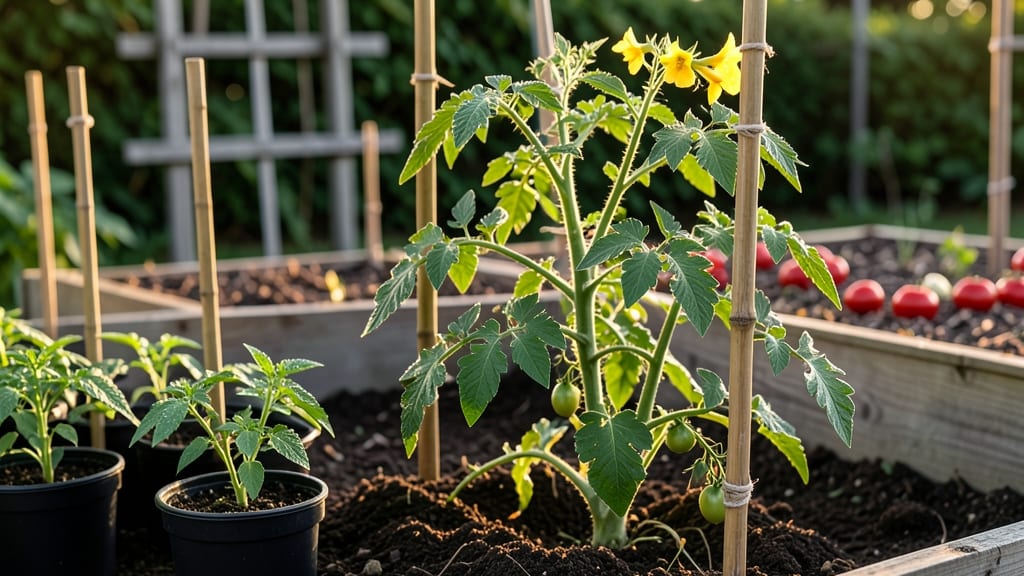
To find where to buy a tomato plant, start with your local garden centers or big-box stores like Home Depot or Lowe’s, then explore online options such as Bonnie Plants, Burpee, or Etsy for specialty varieties. Always verify seasonal stock and shipping policies for live plants.
Your best bet for fresh, healthy tomato plants is to begin with physical stores—local garden centers often carry a wider variety of heirloom and hybrid types than big-box retailers. 🌱 I’ve noticed that Home Depot and Lowe’s tend to stock reliable brands like Sungold or Early Girl, but their selection peaks in late spring when demand is highest.
For rare or organic varieties, online nurseries are the way to go, though you’ll need to factor in shipping costs and the risk of plants arriving stressed.
When shopping in person, ask about plant health guarantees—many stores offer replacements if your tomato starts show signs of disease within a few days.
For online orders, look for nurseries that specialize in tomato plants; they’ll often include care instructions and even postage-paid return labels if your plants don’t survive transit. Pro tip: Order early in the season to secure the best selection before they sell out.
💡 In This Article
- Best Local and Chain Stores for Tomato Plants
- Top Online Nurseries for Tomato Plants: Shipping and Survival Tips
Best local and chain stores for tomato plants
Local garden centers remain the gold standard for tomato plants because they often source from regional nurseries, ensuring varieties suited to your climate and soil conditions. 🌱 These independent shops typically carry 10-15+ types, including both hybrid (like 'Celebrity' or 'Big Beef') and heirloom (such as 'Brandywine' or 'Cherokee Purple') varieties.
In contrast, big-box stores like Home Depot or Lowe’s usually stock 5-8 mainstream hybrids due to their broader customer base and shorter shelf life requirements.
Pricing varies dramatically: garden centers charge $3-$6 per plant for healthy, well-rooted starts, while chains may offer $2-$4 deals—but these often come from mass-produced seedlings with less robust root systems.
Walmart and Costco occasionally carry tomato plants in spring, but their selection is limited to 2-3 varieties and often arrives late in the season when quality declines.
Regional differences matter too: Southern garden centers might prioritize heat-tolerant types like 'Solar Fire', while Northern stores focus on early-maturing 'Stupice' or 'Glacier' varieties.
Timing is everything when shopping in person. Most stores receive their first shipment of tomato plants in late April to early May, with peak availability lasting just 6-8 weeks. After that, remaining stock often includes only disease-resistant or late-season varieties.
Pro tip: Visit stores in late afternoon when employees can help identify healthy plants—look for stems with 3-5 leaves and no yellowing, which signals stress or disease.
What sets garden centers apart is their willingness to offer plant health guarantees. Many will replace your tomato starts if you notice wilting, pests, or fungal spots within 3-5 days of purchase. Chains rarely provide this service, so you’ll need to inspect plants thoroughly before buying.
Pay special attention to the soil: healthy plants should have moist but not soggy potting mix and roots that fill at least half the container.
For urban gardeners, community gardens or farmers' markets sometimes host plant swaps where experienced growers sell homegrown starts. These often include rare or locally adapted varieties for $1-$3 per plant, though availability is unpredictable.
If you’re in a warm climate, some garden centers extend their tomato plant sales into early summer, while Northern stores may stop by mid-June.
One final consideration: ask about organic or pesticide-free options. Many garden centers now offer neem oil-treated or compost-grown plants, which are safer for pollinators and your family. Chains rarely stock these, so if organic gardening is a priority, local nurseries are your best bet. 🌿