
Companion Plants
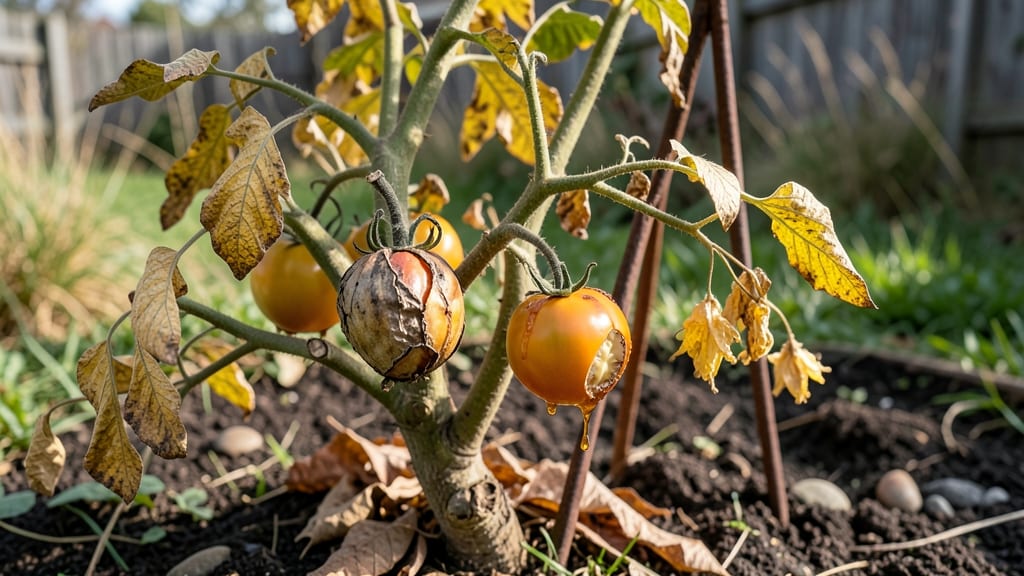
Tomato plants die at the end of their natural cycle or when stress overtakes them — and knowing the difference can save your harvest.
Picture this: You’ve nurtured your 🍅 plants all season, only to watch them suddenly wilt or collapse. Was it just time, or did something go wrong? The answer depends on whether your plants are following their normal lifespan or being cut short by disease, pests, or environmental factors.
In Zone 6a, most tomato plants reach their peak in July or August and start declining by September—but that timeline shifts if you’re dealing with blight, drought, or a late frost.
The key is recognizing the signs early, whether it’s yellowing leaves, stem rot, or fruit that never ripens.
Below, I break down the exact stages when tomato plants die naturally (and when to pull them), plus the fastest killers and how to stop them before they ruin your garden.
Natural tomato plant lifespan: when and why they die by growth stage
Understanding the natural lifespan of tomato plants helps you distinguish between aging and disease. Most varieties follow a predictable cycle from seedling to harvest, but their timing varies based on whether they're determinate (bush) or indeterminate (vining) types.
Knowing these stages ensures you don't mistake natural decline for problems needing intervention.
Determinate tomatoes, like 'Celebrity' or 'Roma', have a shorter lifespan—typically 80-100 days from transplant to harvest. Their growth stops after setting fruit, causing leaves to yellow and stems to weaken as energy shifts to ripening.
Indeterminate varieties, such as 'Sungold' or 'Brandywine', can live for 6-8 months or longer, producing fruit until frost kills them.
Here’s when and why tomato plants die by growth stage, including key signs to watch for:
| Growth Stage | Lifespan Duration | Signs of Natural Decline | When to Expect Death |
|---|---|---|---|
| Seedling | 1-2 weeks | Wilting, blackened stems | If overwatered or chilled |
| Vegetative (Leaf Growth) | 4-6 weeks | Yellow lower leaves (normal) | Not expected; prune instead |
| Flowering | 3-4 weeks | Dropped flowers (stress) | If extreme heat/drought |
| Fruiting (Determinate) | 4-6 weeks | Stem collapse after harvest | After 80-100 days |
| Fruiting (Indeterminate) | 6+ months | Brown leaves, brittle stems | After first frost or disease |
Determinate tomatoes die after their final fruit set because they redirect nutrients to ripening. You’ll notice stem collapse and yellowing leaves as energy depletes. For indeterminate types, death comes later—often from frost or disease—but they may also decline if overloaded with fruit.
One key difference is how they ripen fruit. Determinate varieties produce all their tomatoes at once, so the plant "retires" after harvest. Indeterminate types keep producing until killed by frost or disease.
If your plant’s leaves turn yellow but stems stay firm, it’s likely aging. If stems rot or leaves wilt suddenly, check for blight or pests.
For both types, harvest timing affects lifespan. Picking ripe tomatoes regularly prevents the plant from overburdening itself. If left unharvested, indeterminate varieties may die earlier due to fruit rot or nutrient exhaustion. Always prioritize harvesting overpruned foliage to extend the plant’s life.
Environmental factors also play a role. Heat waves or drought can accelerate decline, while consistent moisture and pruning slow it down. If your plant dies sooner than expected, inspect for chewed leaves (hornworms) or spots on stems (fungus). These are red flags for premature death.
In colder climates, indeterminate tomatoes may survive until first frost (around October 15 in Zone 6a). In warmer zones, they can live until winter. Always monitor for leaf discoloration or stunted growth—early signs the plant is struggling.
With proper care, you can maximize their lifespan and enjoy tomatoes for months.
🌱
Common causes of premature tomato plant death (and how to prevent it)
Tomato plants can die prematurely from a mix of diseases, pests, and environmental stressors. Unlike natural aging, these issues strike fast—often within 2-4 weeks—and can wipe out your entire crop if unchecked.
The key is spotting early warning signs, like yellowing leaves or stunted growth, before the plant collapses completely.
Fungal diseases like early blight and Fusarium wilt are top killers, especially in humid climates. Pests, such as tomato hornworms and aphids, can defoliate plants in days.
Even nutrient deficiencies or extreme temperature swings can send a healthy plant into decline. The good news? Most of these issues are preventable with the right care.
⚠️ When Do Tomato Plants Die Prematurely?
Tomato plants typically die prematurely within 7-14 days if infected by fungal diseases (like blight or wilt) or severe pest infestations. Environmental stress (e.g., heat waves or frost) can accelerate death to 3-5 days in extreme cases. Nutrient deficiencies (e.g., lack of nitrogen) may cause slow decline over 2-3 weeks.
Warning signs: Wilting, brown spots, holes in leaves, or blackened stems. Act fast—once symptoms appear, the plant may have days to live.
Fungal diseases like early blight start with brown spots on lower leaves and spread upward. Remove infected leaves immediately and apply a copper fungicide every 7-10 days to stop the spread. For Fusarium wilt, affected plants should be pulled and destroyed—never compost—to prevent soil contamination.
Pests like hornworms can devour a tomato plant in 24-48 hours. Handpick them early in the morning when they’re sluggish, or introduce beneficial nematodes to control larvae in the soil. Aphids, another common pest, cluster on new growth and excrete sticky honeydew, which attracts mold. Spray with neem oil or a soapy water solution to deter them.
Environmental stress often goes unnoticed until it’s too late. Heat stress (above 90°F) causes blossom drop and leaf scorch, while cold snaps below 50°F stunt growth.
Mulch heavily to regulate soil temperature and use shade cloth during heatwaves. Overwatering or poor drainage can also suffocate roots, leading to root rot.
Nutrient deficiencies manifest as yellowing leaves (nitrogen), purple stems (phosphorus), or weak stems (potassium). Test your soil and amend with a balanced fertilizer (e.g., 10-10-10) at planting and again when flowers appear. Over-fertilizing with nitrogen can also harm plants by promoting leafy growth over fruit.
Prevention is your best defense. Rotate crops yearly, practice good garden hygiene (remove debris), and monitor plants daily for early signs of trouble. With vigilance, you can extend your tomato plants' lifespan and enjoy a bountiful harvest—no premature goodbyes needed! 🌱