
Watering
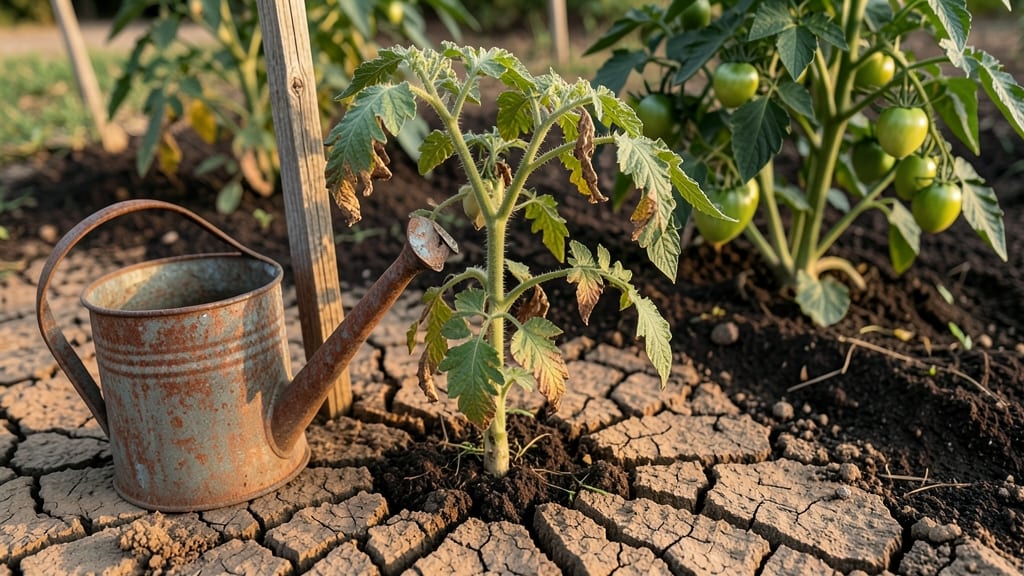
Under-watered tomato plants drop leaves faster than you can grab a hose—but 24 hours can turn things around. 🌱 I’ve seen crispy, drooping plants bounce back with just a few adjustments, and I’ll show you exactly how. The key?
Recognizing the signs early and giving them the right kind of water, not just any water. Wilting leaves, dry soil, and a plant that looks like it’s begging for a drink? That’s your tomato’s SOS signal. The good news?
You don’t need fancy tools—just a moisture meter (or your finger), a watering can, and a little patience. Deep watering once or twice a week beats shallow sprinkles any day, and mulch keeps moisture locked in like a spa day for roots.
By morning, you’ll see leaves perking up, and within days, new growth will prove your plants aren’t just surviving—they’re thriving. The secret is consistency: check soil moisture before watering, and adjust your schedule based on heat and rainfall. No more guesswork, just happy, hydrated tomatoes.
Here’s the game-changer: water at the base, not overhead, to prevent disease and keep roots cool. If your soil dries out faster than a summer sidewalk, it’s time to upgrade to drip irrigation or soaker hoses.
And yes, even overwatering can mimic under-watering—soil that stays soggy is just as bad as bone-dry dirt. Once your plants are back on track, keep an eye on fertilizing—stressed plants need gentle feeding, not a nitrogen overload.
Prune any severely damaged leaves to redirect energy, and soon, you’ll have a bushier, more productive plant than before. Trust me, your tomatoes will thank you.
Root Causes Of Thirsty Tomatoes
Underwatered tomato plants are a garden heartbreak waiting to happen—until you know the real culprits behind their drooping leaves and stunted growth. 🌱💦 Let’s dig into the science (and soil) to uncover why your tomatoes are crying out for hydration.
---
Tomatoes thrive on consistency, not convenience. Their deep root systems demand steady moisture—think of them like a sponge that’s been wrung out and left to dry.
When watering is erratic (e.g., deep soaks followed by drought), roots struggle to absorb nutrients efficiently, leading to wilting, leaf scorch, and blossom drop.
- Why it happens: Tomato roots grow 12–18 inches deep (sometimes deeper!). Shallow watering (like sprinkling the topsoil) only wets the surface, leaving deeper roots parched.
This creates a "dry zone" where roots can’t access water, forcing the plant to shut down non-essential functions (like flowering) to survive. - Actionable fix: Water deeply 1–2 times per week (or daily in extreme heat) to encourage roots to grow downward.
Use a soaker hose or drip irrigation to deliver water slowly at the base.
---
If your soil is like a clay brick or a soggy sponge, water either pools at the surface (leading to root rot) or drains too fast (leaving roots high and dry). Tomatoes hate "wet feet" and "thirsty roots"—both extremes stress them out.
- Why it happens: - Clay soil: Holds water like a swamp but suffocates roots, cutting off oxygen.
Roots can’t breathe, so they stop absorbing water efficiently. - Sandy soil: Drains too quickly, acting like a sieve—water rushes past the roots before they can drink it up. - Compacted soil: Heavy foot traffic or machinery crushes soil pores, reducing water retention and root expansion. - Actionable fix: - Test your soil: Stick a finger 2 inches deep after watering.
If it’s bone-dry, you’re underwatering.
If it’s soggy, improve drainage with organic matter (compost or aged manure). - Amend the soil: Mix in perlite, coconut coir, or compost to balance moisture retention and drainage. - Aerate compacted soil: Use a garden fork to loosen the top 6–8 inches before planting.
---
Tomatoes aren’t just wilting because they’re thirsty—they’re sweating under pressure. High temperatures, scorching sun, and drying winds increase transpiration (water loss through leaves) faster than roots can replenish it.
- Why it happens: - Heatwaves (above 90°F): Soil moisture evaporates 3x faster, and tomato leaves act like tiny sponges, losing water rapidly. - Strong winds: Strip moisture from leaves, forcing the plant to close stomata (pores) to conserve water—but this also blocks CO₂ intake, stunting growth. - Intense sunlight: Can cook leaves, causing them to wilt even if soil is moist (a condition called "physiological drought"). - Actionable fix: - Water in the early morning (before 10 AM) to reduce evaporation and give roots time to absorb water. - Mulch heavily (2–3 inches of straw or wood chips) to lock in moisture and cool root zones. - Provide shade cloth (30–50% coverage) during peak afternoon heat if your region hits extreme temps.
---
Sometimes, the problem isn’t lack of water—it’s that the roots can’t access it due to damage, pests, or pathogens. If roots are rotted, girdled, or infected, they’ll fail to deliver water and nutrients to the plant, even if you’re watering properly.
- Why it happens: - Overwatering damage: Soggy soil leads to root rot (fungi like Phytophthora or Pythium), which decays roots and blocks water uptake. - Pest attacks: Nematodes (microscopic worms) or cutworms can sever roots, reducing the plant’s ability to absorb moisture. - Transplant shock: Disturbed roots during relocation take 1–2 weeks to regrow, leaving the plant vulnerable to drought stress. - Actionable fix: - Inspect roots: Gently dig around the base.
Healthy roots are white/firm; mushy or black roots mean rot. Trim damaged areas and replant in fresh soil. - Use nematode-resistant varieties (e.g., ‘Mountain Merit’ or ‘Better Boy’) if pests are recurrent. - Avoid overwatering: Let the top inch of soil dry between waterings to prevent fungal growth.
--- Potted tomatoes dry out faster than in-ground plants because containers have limited soil volume and more surface area for evaporation. A 5-gallon pot can go from damp to desert-like in just a few hours on a sunny day.
- Why it happens: - Small pots = less water reserve: Roots can’t explore enough soil to find moisture. - Terracotta pots dry out quicker: They wick moisture faster than plastic or fabric grow bags. - No mulch = rapid evaporation: Container soil heats up and loses water 30% faster than ground soil. - Actionable fix: - Upgrade container size: Use at least 5-gallon pots (bigger is better—10+ gallons for indeterminate varieties). - Water daily in summer: Check moisture every morning—if the soil feels dry 1 inch down, water immediately. - Use self-watering pots or moisture meters to track soil hydration. - Mulch the surface with pebbles or coconut coir to slow evaporation.
Revive Your Plants Fast
Now that you know the signs and causes of thirsty tomato plants, it’s time to take action! The good news? With the right approach, you can often revive wilted leaves in just 24 hours—or even prevent future stress entirely.
Below, we break down practical fixes based on the most common causes, plus prevention tips to keep your tomatoes thriving.
---
If your plants are severely under-watered, the first step is a deep soak to rehydrate the root zone.
#### How to Do It: 🔥 Step 1: Water Slowly & Deeply - Use a soaker hose, drip irrigation, or a watering can with a long spout to deliver water directly to the soil (not the leaves). - Water until the top 6–12 inches of soil are moist—not just damp.
A good rule: If water runs out the drainage holes of your pot, you’ve gone deep enough. - For container-grown tomatoes, expect to water 1–2 gallons per plant (depending on pot size).
🍳 Step 2: Let Soil Absorb (Don’t Overdo It) - After watering, wait 30–60 minutes before checking soil moisture again. Overwatering now can drown roots that were just revived! - If the soil feels still dry, repeat the process.
👨🍳 Step 3: Mulch to Lock in Moisture - Apply 2–3 inches of organic mulch (straw, wood chips, or grass clippings) around the base of the plant (keep it 2–3 inches away from the stem to prevent rot). - Mulch reduces evaporation by up to 50%, keeping roots happy longer.
⏰ How Long Until You See Results? - Within 1–2 hours, leaves should start perking up. - By 24 hours, most wilting should disappear if roots weren’t permanently damaged.
---
Consistent moisture is key—drought stress or soggy soil both cause problems. Here’s how to fix your routine:
#### For Garden Tomatoes: ✅ Water Early in the Day (6–10 AM) to reduce evaporation and fungal risks. ✅ Water Deeply 2–3 Times Per Week (instead of daily shallow watering). ✅ Check Soil Moisture with your finger—top 1–2 inches should be dry before watering again.
#### For Container Tomatoes: 💡 Pro Tip: Containers dry out much faster than garden soil. - Water when the top inch of soil feels dry (stick your finger in—if it’s dry, water!). - Use self-watering pots or moisture meters for peace of mind. - Larger pots (5+ gallons) hold moisture longer—upgrade if needed!
🔥 Avoid These Mistakes: - Watering leaves (leads to fungal diseases like blight). - Letting soil dry out completely between waterings (roots can’t recover fast enough). - Using ice cubes (they can shock roots—stick to deep watering instead).
---
Under-watered plants often struggle to absorb nutrients, so a little extra care can speed up recovery.
#### What to Add: 🥗 Balanced Fertilizer (10-10-10 or 5-5-5) - Mix 1 tablespoon per gallon of water and apply after deep watering. - Avoid high-nitrogen fertilizers (like lawn fertilizer)—they encourage leafy growth but weaken roots.
💪 Compost or Worm Castings - Work 1–2 cups of compost into the top 6 inches of soil to improve water retention. - Worm castings also add beneficial microbes that help roots absorb moisture better.
🎯 Hydrogel Crystals (For Containers) - Mix 1–2 tablespoons of hydrogel into the soil before planting (or top-dress later). - These absorb and release water slowly, acting like a natural reservoir.
---
If your tomatoes wilting persists after watering, roots may be damaged or diseased.
#### Signs of Root Issues: - Yellowing leaves (even after watering). - Mushy, black stems (sign of root rot). - Slow recovery (leaves stay limp for more than 48 hours).
#### What to Do: 🔪 Inspect Roots (For Potted Tomatoes) - Gently remove the plant from its pot and rinse roots with water. - Healthy roots are white or light tan; rotted roots are black/mushy. - Trim damaged roots with clean scissors and repot in fresh, sterile soil.
🌡️ Prevent Future Root Stress - Improve drainage (add perlite or sand to heavy soil). - Avoid over-potting (roots need oxygen—too much soil = suffocation). - Use raised beds if your garden soil is clay-heavy or waterlogged.
---
Once your plants bounce back, don’t let them dry out again! Here’s how to maintain happy, healthy tomatoes:
💡 Smart Watering Hacks: - Drip irrigation (best for gardens—delivers water slowly and directly to roots). - Olla pots (unglazed clay pots buried in soil that slowly release moisture). - Group plants together (creates a micro-climate that retains moisture).
🌡️ Monitor Weather & Adjust: - Hot, windy days? Water more frequently (soil dries out faster). - Rainy season? Ensure pots have drainage holes to prevent rot.
🎯 Upgrade Your Soil: - Add coconut coir or peat moss to increase water retention. - Avoid compacted soil (aerate garden beds if needed).
--- Final Thought: Most under-watered tomato plants recover quickly with the right care—but prevention is the best cure. Now that you’ve got the tools, give your tomatoes the love they need and enjoy a bountiful, juicy harvest! 🍅🌿
Frequently asked questions
How can I tell if my tomato plant is under-watered vs. over-watered?
Check the soil first: under-watered plants have dry, crumbly soil 1-2 inches down, while over-watered plants feel soggy and may have yellowing leaves. Under-watered leaves wilt during the day but recover at night, while over-watered leaves turn yellow and mushy. Also, look for root rot signs (black, smelly roots) if you suspect over-watering.
Will my tomato plant recover if it's been under-watered for a week?
It depends on how severe the stress is! If only the leaves are wilted but roots are healthy, you can revive it in 24-48 hours with deep watering and mulch. However, if the plant has dropped flowers or fruit, recovery may take longer. For extreme cases, trim severely damaged leaves to help the plant focus energy on root recovery.
What's the best time of day to water under-watered tomatoes?
Water in the early morning (6-9 AM) to give roots time to absorb moisture before evaporation. Avoid watering in the evening, as damp leaves can attract fungal diseases. If you must water later, use drip irrigation or soaker hoses to keep foliage dry. Containers may need watering twice daily in extreme heat.
Can I use ice cubes to revive under-watered tomato plants?
No, ice cubes can actually shock the roots and do more harm than good. Instead, use lukewarm water and water deeply at the base. For containers, place them in a shallow tray of water for 10-15 minutes to help roots rehydrate gradually. The key is slow, consistent moisture—not sudden temperature changes.
How often should I water tomato plants after reviving them?
For garden tomatoes: 2-3 times per week with deep watering (1-2 gallons per plant). For containers: daily in summer if the top inch of soil feels dry. Use your finger as a moisture meter—if it's dry at 1-2 inches, it's time to water. Mulching will help maintain consistent moisture between waterings.