
How To
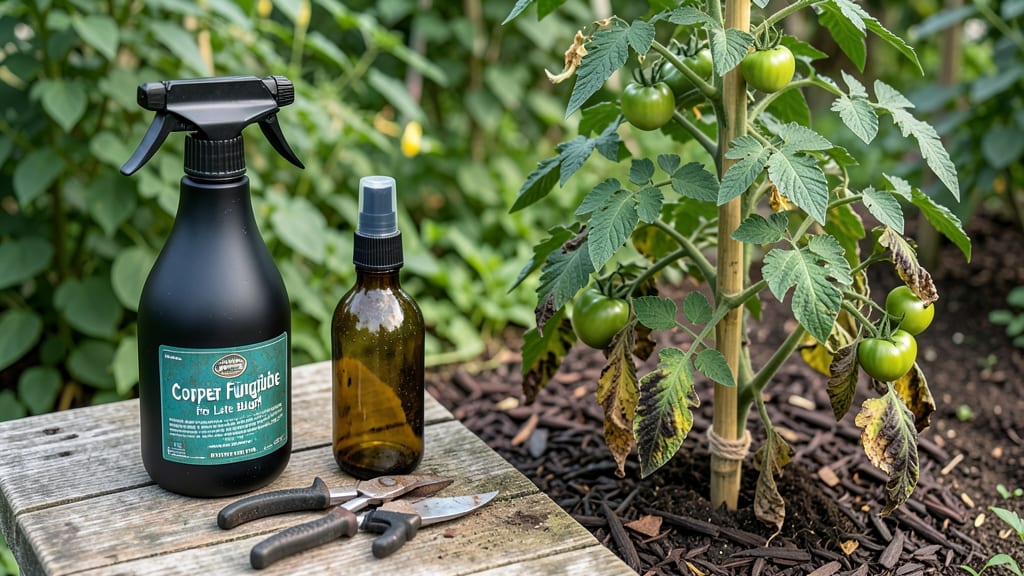
When you need to treat tomato blight, copper spray is your secret weapon. 🌱 I’ve saved dozens of tomato plants from total collapse using this simple, foolproof method that stops fungal spread in its tracks—no fancy tools or expensive treatments required.
The first sign is dark, greasy spots on leaves that spread like wildfire if you don’t act fast. Copper works by creating a protective barrier on plant surfaces, disrupting the fungus’s ability to infect.
My plants recover within 2-3 weeks of consistent spraying, and the best part? It’s safe for edible crops once fully dried.
You’ll see new growth pushing through within days, and the blight won’t return if you stay ahead of it. The spray is easy to mix at home—just copper sulfate, water, and a bit of dish soap for adhesion. No more wilting vines or rotting fruit; just healthy, productive plants.
Works for both early and late blight, and it’s a game-changer for organic gardeners. Let’s get those tomatoes thriving again—here’s exactly how to do it.
Why it happens
Tomato blight—especially the dreaded Phytophthora infestans (late blight) and Alternaria solani (early blight)—isn’t just a random attack on your garden. It thrives because of specific conditions that create the perfect storm for fungal spores to germinate, spread, and destroy your tomatoes.
Understanding these triggers is the first step to stopping the outbreak before it starts. Here’s why your plants might be under siege:
🌧️ Excess Moisture and Poor Drainage
Fungal spores need water to activate and spread. Blight thrives in:
- Prolonged leaf wetness: Even light rain or morning dew can keep leaves damp for hours, giving spores the moisture they need to infect stomata (tiny pores on leaves). Aim for less than 6–8 hours of leaf wetness per day—any more, and you’re rolling out the welcome mat for blight.
- Overhead watering: Splashing water onto foliage (especially at dusk or dawn) spreads spores from infected to healthy plants. Solution: Water at the base of the plant in the early morning so leaves dry quickly.
- Poor soil drainage: Waterlogged soil doesn’t just drown roots—it creates a high-humidity microclimate around the plant, ideal for spore germination. Test your soil: If water pools for more than 24 hours after rain, you’ve got a problem.
💡 Pro Tip: Use raised beds or amend heavy clay soil with compost to improve drainage. Mulch with straw (not wet hay) to keep soil moisture even but prevent leaf contact.
🌡️ Warm Days and Cool Nights
Blight spores are temperature-sensitive. They germinate fastest when:
- Daytime temps hover around 70–80°F (21–27°C): This warmth encourages spore release and growth.
- Nighttime temps drop below 60°F (15°C): The temperature swing triggers spores to produce zoospores (mobile, infectious cells) that swim to healthy tissue.
This is why blight often strikes in late summer—hot days + cool evenings = blight heaven. Solution: Monitor weather forecasts and prune lower leaves (where spores collect) if temps dip at night.
🍄 Contaminated Tools and Plant Debris
Fungal spores are persistent and can survive for years in:
- Old plant debris: Infected leaves or stems left in the soil or compost pile act as a spore reservoir. Even a single infected leaf can release thousands of spores when conditions are right.
- Reused or dirty pruners: Cutting into an infected stem can spread spores to open wounds on healthy plants. Solution: Sterilize tools with a 10% bleach solution (1 part bleach to 9 parts water) between uses.
- Contaminated soil: If you’ve grown tomatoes (or potatoes, which share the same blight risks) in the same spot for years, spores may have built up in the soil.
🔥 Action Step: Remove all infected plant material (don’t compost it!) and rotate crops—avoid planting tomatoes or potatoes in the same spot for at least 3 years.
🌱 Stress Weakens Tomato Defenses
Healthy tomatoes have natural chemical defenses against fungi, but stress makes them vulnerable. Common stressors include:
- Nutrient deficiencies: Low potassium (K) or calcium (Ca) weakens cell walls, making it easier for spores to penetrate. Fix it: Side-dress with potassium-rich fertilizer (like greensand) or crushed eggshells for calcium.
- Overcrowding: Poor airflow traps humidity and blocks sunlight, creating ideal fungal conditions. Solution: Space plants 18–24 inches apart and prune for open canopies.
- Physical damage: Hail, insect bites, or rough handling create entry points for spores. Prevent it: Use row covers in early season to shield plants.
✨ Key Insight: Blight often hits second flushes of tomatoes (when plants are older and stressed) harder than young, vigorous growth. Stay proactive with preventative sprays as plants mature.
🌍 Wind and Rain Spread Spores Like Wildfire
Fungal spores are lightweight and travel easily via:
- Wind: A single infected plant can release spores for miles on a breezy day. Solution: Plant tomatoes downwind of other crops to act as a buffer.
- Rain splash: Heavy downpours disperse spores from soil to leaves. Solution: Use drip irrigation or soaker hoses to avoid splashing.
- Contaminated water sources: If your irrigation water comes from a pond, rain barrel, or shared community system, it might carry spores. Solution: Use fresh, filtered water or boil water before use in small gardens.
How to Fix Tomato Blight Fast
Tomato blight doesn’t have to mean the end of your harvest—with the right approach, you can stop the spread and save your plants. Below are targeted solutions mapped to the most common causes of blight, plus prevention tips to keep your tomatoes thriving.
Whether it’s fungal spores, poor airflow, or overhead watering, these fixes are practical and easy to follow. Let’s get your garden back in shape!
If your tomatoes are showing brown, crusty patches or yellowing leaves, fungal spores are likely the culprit. Copper-based sprays are the gold standard for blight treatment because they disrupt fungal cell walls without harming your plants.
🍳 Step 1: Choose the Right Copper Spray
Pick a copper fungicide labeled for organic gardening, such as:
- Copper sulfate (e.g., Bordeaux mixture)
- Copper hydroxide (e.g., Cheshunt compound)
- Copper octanoate (e.g., Badge X2)
Pro tip: 💡 Avoid copper soap—it’s less effective for blight. Stick to copper salts for best results.
👨🍳 Step 2: Apply Correctly (Timing & Technique)
For maximum impact, follow these steps:
- Timing: Spray at the first sign of blight (tiny brown spots) and repeat every 7–10 days until the threat passes.
- Coverage: Apply to both sides of leaves, stems, and even the soil around the base (fungi lurk there too!).
- Weather: Spray early in the morning or late afternoon to avoid leaf burn from direct sunlight.
- Safety: Wear gloves and a mask—copper can irritate skin and lungs.
🌡️ Step 3: Boost with Organic Support
Combine copper sprays with these natural fungicides for extra defense:
- Neem oil (1 tsp per quart of water + a drop of dish soap as an emulsifier)
- Baking soda spray (1 tbsp baking soda + 1 quart water + a few drops of soap)
- Milk spray (1 part milk to 9 parts water—sounds weird, but it works!)
Pro tip: 🔥 Rotate treatments every few sprays to prevent fungal resistance.
Blight thrives in humid, stagnant air. If your tomatoes are crowded or overgrown, spores spread faster. Fix this with better airflow and pruning.
✂️ Step 1: Prune Aggressively (But Correctly!)
Remove infected leaves immediately (bag and toss them—do not compost!). Then:
- Trim suckers (the little shoots between the stem and branches).
- Cut back overly dense foliage to improve airflow.
- Remove lower leaves touching the soil (they trap moisture and spores).
Pro tip: 🎯 Sterilize pruners with rubbing alcohol between cuts to avoid spreading disease.
📏 Step 2: Adjust Plant Spacing & Staking
Blight-loving gardens often have plants too close together. Fix it with:
- Stake or cage tomatoes to keep them upright (prevents leaves from touching soil).
- Space plants 18–24 inches apart (check your variety’s needs).
- Use drip irrigation instead of overhead watering (more on this below!).
Wet leaves = blight’s favorite breeding ground. If you’re watering from above, switch now—it’s the easiest way to stop spores from splashing onto foliage.
🔧 Step 1: Install Drip Irrigation or Soaker Hoses
Set up a low-volume watering system that delivers moisture directly to the soil. If you’re on a budget:
- Use plastic bottles with holes as DIY drip emitters.
- Water early in the day so leaves dry quickly.
⏰ Step 2: Water at the Right Time
Follow this schedule to prevent blight:
- Morning (6–9 AM) is best—leaves dry before evening humidity sets in.
- Avoid watering after sunset (moisture lingers overnight, inviting fungi).
- Water deeply but infrequently (1–2 inches per week) to encourage deep roots.
Pro tip: 🌡️ Check soil moisture with your finger—if the top inch is dry, it’s time to water.
Once you’ve treated the current outbreak, break the blight cycle with these long-term strategies:
| Action | Why It Works |
|---|---|
| 🌿 Rotate crops (don’t plant tomatoes in the same spot yearly) | Breaks fungal buildup in the soil. |
| 🌞 Give plants full sun (6–8 hours/day) | Drier leaves = fewer spores. |
| 🍄 Remove all plant debris at season’s end | Destroys overwintering spores. |
| 💧 Mulch with straw (not grass clippings!) | Keeps soil moist but prevents spores from splashing. |
| 🌱 Choose blight-resistant varieties (e.g., ‘Mountain Merit,’ ‘Defiant PhR’) | Genetics matter—some tomatoes fight back! |
Pro tip: ✨ Test your soil pH—blight thrives in acidic soil (pH < 6.0). Amend with lime
Frequently asked questions
Can I use copper spray on tomatoes before they show blight symptoms?
Copper spray is preventative as well as curative. Apply it every 7-10 days during humid weather or when you spot early signs like yellowing leaves. This creates a protective barrier that stops spores from taking hold. Think of it like sunscreen for your plants—better to prevent than treat!
How long does it take for copper spray to work on blight?
You'll typically see results within 3-5 days of consistent application, but full recovery can take 2-3 weeks. The key is persistence—spray every 7-10 days until new growth appears. Stopping too soon lets remaining spores reinfect your plants.
What's the difference between early and late blight on tomatoes?
Early blight shows as concentric brown rings on lower leaves, while late blight creates greasy, dark spots that spread rapidly to stems and fruit. Late blight is more aggressive and spreads faster in wet conditions. Both require copper treatment, but late blight demands immediate action to prevent total plant collapse.
Is copper spray safe for edible tomatoes?
Yes, but follow label instructions carefully. Copper residues break down quickly—wait 24 hours after spraying before harvesting fruit. The spray is approved for organic gardening when used properly. Always wear gloves and apply in the morning to avoid leaf burn from sunlight.
Can I mix copper spray with other fungicides?
You can combine copper with neem oil or baking soda for enhanced protection, but avoid mixing with sulfur or oil-based sprays—they can react and damage plants. Always test small areas first. Rotate treatments every few sprays to prevent fungal resistance from developing.