
Planting
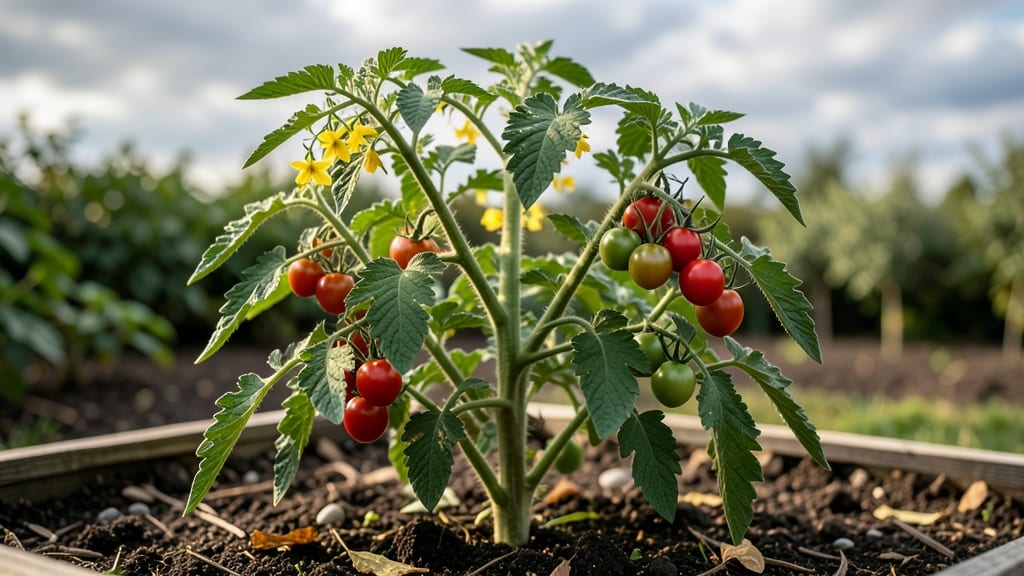
Growing a Topsy Turvy tomato plant means bountiful harvests in a fraction of the space—no sprawling vines or tangled mess. 🌱 I’ve grown this compact wonder for three seasons now, and the difference between my Topsy plants and traditional tomatoes is night and day: same flavor, half the chaos.
The secret lies in its self-supporting design—the plant grows upward in a spiral, producing fruit at every twist. You’ll need a sturdy 5-gallon container, well-draining soil, and a sunny spot (6+ hours of light daily).
Water consistently but avoid soggy roots, and watch those vines climb like a green spiral staircase. By midsummer, you’ll be harvesting cherry-sized tomatoes every few days—no trellis required. The plants stay contained, resist common diseases better than sprawlers, and produce fruit until frost.
Perfect for balconies, small yards, or anyone tired of tomato vines taking over. Here’s the twist: prune only to shape, not to limit growth. Unlike traditional tomatoes, Topsy’s compact form means fewer branches to manage—and more fruit to enjoy. Let’s get those spiral vines growing!
📚 In This Guide
- What you need
- Instructions
- Tips and common mistakes
- Wrapping up and next steps
What you need
- ● Topsy tomato seeds or seedling: Choose a certified disease-resistant variety (e.g., Solanum lycopersicum ‘Topsy’). You’ll need 1-2 plants per container.
- ● Containers: Use 5-gallon fabric pots, hanging baskets (18"+ diameter), or large plastic pots with drainage holes. Aim for at least 12-18 inches deep.
- ● High-quality potting mix: A sterilized, well-draining blend (e.g., 60% peat moss, 30% perlite, 10% compost). Avoid garden soil—it compacts too easily!
- ● Drainage material: 1-2 inches of perlite, pumice, or gravel at the bottom of each container.
- ● Tomato cages or trellis: A 5-6 foot tall cage or a sturdy hanging basket trellis to support the vines (Topsy can grow 10+ feet!).
- ● Fertilizer: Balanced liquid fertilizer (10-10-10) for early growth.
- ● Tomato-specific fertilizer (high in phosphorus/potassium, e.g., 5-10-10) once flowers appear.
- ● Gloves and pruning shears: For handling plants and trimming suckers.
- ● Watering can or hose with a gentle spray nozzle: Topsy tomatoes hate soggy roots!
- ○ Mulch (optional): Straw or shredded leaves to retain moisture and suppress weeds.
- ○ Shade cloth (optional): If growing in hot climates, use 30-50% shade cloth during peak sun.
- ○ Support ties (optional): Soft plant ties or old T-shirts to secure vines to the trellis.
- ● Sunlight: 6-8+ hours of direct sunlight daily (south-facing windows or full sun outdoors).
- ● Temperature: Ideal range: 70-85°F (21-29°C). Avoid planting until soil is at least 60°F (15°C).
- ● Water: Consistent moisture—1-2 inches per week, more in heatwaves.
How to grow a topsy tomato in containers
This compact, high-yielding variety thrives in limited space—here's how to coax those sky-high vines into producing fruit without taking over your patio.
🌱 Step 1: Select the Right Container and Prepare the Growing Medium
Choose a 5-gallon container with drainage holes—topsy tomatoes need room for their sprawling roots and prolific vines. I use fabric grow bags because they prevent root circling and allow excess moisture to evaporate. Fill the container with a lightweight potting mix blended with 20% perlite for aeration and drainage.
Moisten the mix until it feels like a damp sponge—you should see moisture bead on the surface but not pool at the bottom. Press down lightly to eliminate air pockets, but don't compact it. The goal is a fluffy, well-aerated medium that encourages strong root development. Here's the thing—topsy tomatoes hate soggy feet, so drainage is non-negotiable.
☀️ Step 2: Plant and Provide Immediate Support
Plant your topsy tomato 1 inch deeper than it grew in the nursery—this encourages stronger stem development. I always bury the stem up to the first set of leaves to prevent future stem rot. Install a 6-foot tomato cage or trellis system immediately—these vines grow 8-10 feet tall and need support from day one.
Water deeply right after planting to settle the soil around the roots. You'll see new leaves emerge within 7-10 days—that's your signal everything is working. Don't skip the support setup. I've seen topsy tomatoes topple over under their own weight by mid-summer, and that's a harvest you don't want to lose.
💧 Step 3: Water and Feed for Maximum Production
Water when the top 2 inches of soil feel dry—typically every 2-3 days in hot weather. Topsy tomatoes are heavy feeders, so I apply a balanced 10-10-10 fertilizer every 2 weeks once flowers appear. You'll notice the first blooms in 6-8 weeks after planting, and that's when you ramp up the nutrients.
Here's where it gets fun—watch for first fruit set around 8-10 weeks. At this point, switch to a low-nitrogen, high-phosphorus fertilizer (like 5-10-10) to encourage fruiting over leafy growth. Prune suckers (those little shoots in the leaf axils) regularly to direct energy to fruit production rather than excessive vine growth.
✂️ Step 4: Prune and Train for Airflow and Fruit Load
Prune aggressively to maintain an open, airy structure. Remove all suckers below the first flower cluster—these compete with fruit production. I leave 2-3 main stems for the strongest framework and prune side shoots to 6 inches to prevent overcrowding. This isn't just about aesthetics; good airflow prevents fungal diseases like blight that can devastate a harvest.
Train the main vines along the trellis or cage, securing them with soft plant ties every 12 inches. You'll see fruit develop along the main stems and side branches—harvest when tomatoes reach full color and yield slightly to gentle pressure. Real talk: if you don't prune, you'll end up with a jungle of vines and very few ripe tomatoes.
🌿 Step 5: Maintain Through Harvest Season
Continue fertilizing every 3 weeks with a potassium-rich formula (like 0-10-10) to boost fruit sweetness and disease resistance. Water consistently—never let the soil dry out completely, but avoid soggy conditions that invite rot. You'll harvest 6-8 weeks after flowering, with continuous production until frost.
Here's the moment that matters: when your topsy tomato starts producing clusters of 3-5 tomatoes per truss. This variety is famous for its prolific yields, but you have to manage it properly. Watch for leaf yellowing—this often signals either overwatering or nutrient deficiency. Adjust your care immediately when you see it, and your plant will bounce back quickly.
Tips & tricks for perfect topsy tomato growth
These practical insights will help you maximize your container-grown topsy tomato's potential without the common growing mistakes.
Container Selection: Fabric grow bags are my go-to because they prevent root circling and allow excess moisture to evaporate naturally. If using traditional pots, ensure they have drainage holes—topsy tomatoes absolutely hate soggy roots. I've seen them thrive in 5-gallon containers, but if you're growing multiple plants, consider a larger container or separate them to prevent competition for nutrients.
Support System: Don't wait until the plant is toppling over to install support! Set up your 6-foot tomato cage or trellis system immediately after planting. These vines grow aggressively—up to 10 feet tall—and need sturdy support from day one. I use soft plant ties every 12 inches to guide the vines without restricting growth. This isn't just about aesthetics; proper support prevents fruit damage and makes harvesting easier.
Pruning Strategy: The key to prolific fruiting is aggressive pruning. Remove all suckers below the first flower cluster to direct energy to fruit production. Leave 2-3 main stems for the strongest framework and prune side shoots to 6 inches. This open structure improves airflow, which is critical for preventing fungal diseases like blight. I prune every 2 weeks during the growing season—it takes 10-15 minutes but makes all the difference in yield quality.
Fertilizer Timing: Watch for those first blooms around 6-8 weeks after planting—that's your cue to switch fertilizers. Start with a balanced 10-10-10 formula, then transition to a low-nitrogen, high-phosphorus blend (like 5-10-10) when flowers appear. This shift encourages fruiting over leafy growth. I've found that applying fertilizer in the morning gives plants time to absorb nutrients before evening moisture. Never let the soil dry out completely between feedings—consistent moisture is key to preventing blossom-end rot.
Pro Tips for Topsy Tomato Plant
- These practical insights will help you maximize your container-grown topsy tomato's potential without the common growing mistakes.
- Container Selection: Fabric grow bags are my go-to because they prevent root circling and allow excess moisture to evaporate naturally.
- Support System: Don't wait until the plant is toppling over to install support!
Frequently asked questions
Got questions about growing the Topsy Tomato plant? You’re not alone! Here are some of the most common queries—plus quick answers to help you master this sky-high, container-friendly variety.
How tall does the Topsy Tomato plant grow, and do I need a trellis?
The Topsy Tomato can reach 10–12 feet tall with proper support! A sturdy trellis, cage, or even a tall tomato tower is a must—this indeterminate variety needs vertical space to thrive. Without support, vines sprawl, risking disease and poor fruit production.
When is the best time to plant Topsy Tomatoes in containers?
Wait until after the last frost (when soil temps hit at least 60°F) and plant 4–6 weeks before your first fall frost for a second harvest. Containers warm up faster, so start seeds indoors 6–8 weeks before transplanting for earlier yields. Pro tip: Use black or dark-colored pots to absorb heat!
Why aren’t my Topsy Tomatoes fruiting—what am I doing wrong?
Common culprits include:
- Lack of sunlight: Topsy Tomatoes need 6–8+ hours of direct sun daily.
- Overwatering: Let soil dry slightly between waterings to prevent blossom-end rot.
- Nutrient deficiencies: Feed with a balanced fertilizer (10-10-10) every 2–3 weeks.
- Stress from heat/wind: Use shade cloth in extreme heat and secure vines gently.
Can I grow Topsy Tomatoes in small pots, or do I need a large container?
While Topsy Tomatoes love space, they’ll adapt to 5-gallon containers or larger (at least 12–18 inches deep). For smaller pots (<5 gallons), prune aggressively to control growth and use high-quality potting mix with compost. Just avoid crowding—one plant per container is ideal!
What’s a good alternative if Topsy Tomatoes don’t work for my space?
If vertical growth is tricky, try these container-friendly tomato varieties:
- Tiny Tim: Compact (18–24” tall), cherry tomatoes, great for small pots.
- Patio Princess: Bush-type, determinate, and productive in 5-gallon containers.
- Balcony Red: Indeterminate but more manageable (6–8 ft tall) with pruning.
Still stumped? Dwarf or patio varieties are your best bet for limited spaces!
Wrapping up and next steps
Growing a topsy tomato plant in containers is a rewarding adventure that brings fresh, flavorful tomatoes to your doorstep—even in small spaces! 🌱 With the right setup, pruning, and care, you’ll enjoy a bountiful harvest and the joy of watching your vines reach for the sky.
Whether you’re a beginner or a seasoned gardener, this method proves that big yields don’t require big gardens.
Ready to take the next step? Start small—plant your topsy tomato today, and soon you’ll be sharing homegrown tomatoes with friends (or sneaking extra slices onto your sandwiches!). Happy growing! 🍅✨