
Vegetables
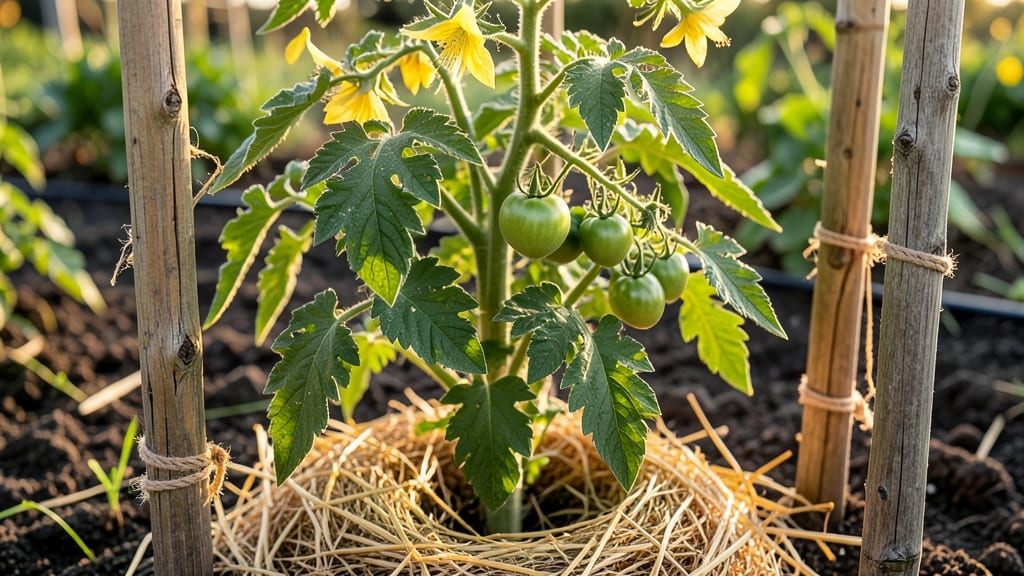
My tomato plants used to collapse under their own weight—until I discovered tomato vine stakes transformed flopping vines into sturdy towers. 🌱 The right support isn’t just about keeping plants upright; it’s about maximizing airflow, preventing disease, and coaxing bigger yields from every plant.
My 6-foot-tall beefsteak tomatoes now stand proud instead of sprawling, and the difference in fruit quality is night-and-day.
You’ll need 3-4 stakes per plant (depending on variety), plus soft plant ties or strips of fabric to avoid damaging stems. Wooden stakes are budget-friendly, metal offers durability, and bamboo blends aesthetics with function.
The key is driving stakes 6-8 inches deep at planting time—deep enough to anchor but not so close they compete with roots for nutrients.
Start tying vines when they reach 12-18 inches tall, securing them loosely enough to allow growth. As the plant climbs, adjust ties every 2-3 weeks to prevent girdling. By midseason, your tomatoes will be vertically stacked like a grocery store display—just waiting for you to harvest.
The payoff? Fewer broken stems, easier picking, and 20-30% more fruit than unstaked plants.
Works for indeterminate varieties (like Sungolds) or determinate (like Roma) with shorter stakes. For heavy loads, add a second stake at a 45-degree angle to prevent leaning. Pro tip: Water stakes before planting—they’ll hold better in damp soil. Ready to turn flops into feasts?
📚 In This Guide
- What you need
- Instructions
- Tips and common mistakes
- Wrapping up and next steps
What you need
- ● Tomato vine stakes: 5–7 ft tall (adjust based on tomato variety—determinate vs. indeterminate). Quantity: 1 stake per plant (or 2 for extra support in windy areas).
- ● Garden twine or soft plant ties: 10–12 ft per stake (or reusable fabric ties for eco-friendliness).
- ● Sturdy gloves: 1 pair (to protect hands from thorns and rough edges).
- ● Pruning shears or scissors: 1 pair (for trimming suckers and securing ties).
- ● Soil or mulch: Enough to amend planting area (improves drainage and stability).
- ● Cage alternatives: Bamboo stakes, wooden dowels, or metal cages (if you prefer a no-tie system).
- ● Stake anchors: U-shaped metal stakes or garden staples (to secure stakes deeper into the soil).
- ● Plant clips or Velcro ties: Reusable and gentler on stems than twine.
- ● Tomato clips: Pre-made clips that attach stakes to vines (great for lazy gardeners!).
- ● Watering can or hose: For post-staking hydration (tomatoes love consistency!).
Step-by-step guide to installing tomato vine stakes
Here's how to set up sturdy tomato stakes that'll keep your plants upright and productive all season.
🪴 Step 1: Choose and Prepare the Right Stakes
For 4 tomato plants, use 4-5 foot tall bamboo or fiberglass stakes—they're lightweight yet strong enough to support heavy fruit loads. Avoid metal stakes in hot climates; they absorb heat and can scorch stems. I like to soak wooden stakes in water for 24 hours before planting to prevent them from wicking moisture from the soil.
Drive each stake 6-8 inches deep into the soil next to each plant, about 2-3 inches away from the main stem. Tap with a mallet until firm—you want them to stand without leaning. If your soil is rocky, pre-drill small holes to make insertion easier. The stake should be straight and plumb (use a level if needed).
🌱 Step 2: Secure the Plant to the Stake Early
As soon as your tomato plants reach 6-8 inches tall, tie them to the stake with soft plant ties or strips of old T-shirt fabric. I avoid wire or plastic ties—they can cut into stems as plants grow. Loop the tie around the main stem and the stake, leaving a little slack to allow for growth.
Check ties every 7-10 days and adjust as the plant grows. You'll notice the stem thickens and the plant leans slightly—this is normal. When the plant reaches 18-24 inches tall, add a second tie about 6 inches above the first to provide additional support. Never tie too tightly; you should be able to slip a finger between the tie and the stem.
☀️ Step 3: Train Vines as They Grow
When the main stem reaches the top of the stake, pinch off the growing tip to encourage lateral branches. This creates a bushier plant that produces more fruit. Gently weave the new side shoots around the stake in a spiral pattern, securing them with ties every 12-18 inches as they grow.
Here's the thing—don't let vines wrap tightly around the stake. Instead, guide them in a loose spiral to prevent girdling, where the vine strangles itself. You'll see healthy green growth continuing upward, and the fruit will develop along these trained branches. If a branch gets too heavy, add an extra stake nearby and tie it there to distribute the weight.
✂️ Step 4: Maintain Support Through the Season
As your tomatoes ripen, the weight can cause branches to sag. Check stakes weekly and add extra support where needed. If a stake starts to lean, dig around it and firm the soil to stabilize it. I like to use soft garden twine for additional support on heavy branches—it's gentle on the plant but strong enough to hold fruit.
When harvesting, avoid pulling fruit downward—this can stress the plant and cause branches to break. Instead, cradle the fruit in your hand and gently twist it free. After heavy rains, check ties and adjust them if they've loosened. By late summer, your stakes will be holding 10-20 pounds of tomatoes each—proper maintenance prevents them from toppling over.
⏰ Step 5: Remove and Store Stakes After Harvest
Once the plant has finished producing and the leaves begin to yellow, cut the stems at the base with pruners. Remove the stakes carefully to avoid damaging the root system. Clean them by scraping off any remaining soil and soaking in a 10% bleach solution for 10 minutes to prevent disease carryover to next season.
Store stakes in a dry place until next year. I keep mine in a garage bin with a few inches of sand to absorb any remaining moisture. This simple step ensures your stakes will be ready for another season of supporting heavy harvests without flopping.
Tips & tricks for perfect tomato vine stakes
These practical insights will help you create a support system that keeps your tomato plants thriving all season long.
Material Selection: For the best results, I recommend using bamboo stakes over fiberglass—they're more eco-friendly and allow for better airflow around the plant stems. If you opt for wooden stakes, choose untreated cedar or pine, which resist rot better than other woods. The 4-5 foot height is ideal because it provides enough support without being so tall that it topples in windy conditions.
Stability Secret: When driving stakes into rocky soil, pre-drilling holes is a game-changer. I use a 3/8-inch bit and drill just deep enough to fit the stake diameter. This prevents splitting and makes insertion much easier. For extra stability, especially in windy areas, I like to add a second stake on the opposite side of the plant when it reaches 12-18 inches tall—this creates a natural trellis effect.
Tie Technique: The 7-10 day check schedule is crucial because tomato stems grow surprisingly fast. I've found that using old T-shirt fabric strips works better than store-bought ties because they stretch as the plant grows without cutting into the stem. Pro tip: When adding your second tie at 18-24 inches, position it slightly higher than the first to create a natural upward growth pattern. This prevents the plant from developing a permanent bend at the tie point.
Maintenance Strategy: After heavy rains, I always check my stakes within 24 hours. The soil becomes saturated and can loosen stakes that were previously stable. If you notice leaning, don't just push the stake back—dig around it and firm the soil to create a solid base. For particularly heavy tomato varieties like beefsteak, I add a third tie at the midpoint of the stake to prevent sagging under fruit weight.
Pro Tips for Tomato Vine Stakes
- These practical insights will help you create a support system that keeps your tomato plants thriving all season long.
- Material Selection: For the best results, I recommend using bamboo stakes over fiberglass—they're more eco-friendly and allow for better airflow around the plant stems.
- Stability Secret: When driving stakes into rocky soil, pre-drilling holes is a game-changer.
Frequently asked questions
Got questions about tomato vine stakes?
You’re not alone! Here are answers to the most common concerns—from setup to troubleshooting—to help you grow strong, supported tomato plants all season long.
What’s the best time to install tomato vine stakes?
Install stakes when transplanting seedlings (about 2–3 weeks after sowing indoors) or within 1–2 weeks of planting outdoors. Early support prevents root disturbance later. For indeterminate varieties (like 'Sungold'), drive stakes deeper (18–24 inches) as vines grow aggressively. Pro tip: If you forget, bury stakes later—just water well to help roots adjust!
Can I reuse tomato stakes from last year?
Yes! Wooden or bamboo stakes last multiple seasons if stored dry and clean. Disinfect with a 10% bleach solution to prevent disease. Avoid metal stakes if rusted—they can leach into soil. Warning: Discard stakes with mold or splinters to avoid plant stress.
What if my tomato plants flop even with stakes?
Flopping often means underwatering, overcrowding, or weak stakes. Check soil moisture daily (1–2 inches deep) and prune lower leaves to improve airflow. For heavy vines, tie plants every 5–7 days with soft cloth or plant ties—not wire (it cuts stems!). Quick fix: Add a second stake or a cage for extra support.
Are there eco-friendly alternatives to traditional stakes?
Try:
- Bamboo or willow stakes (biodegradable, lightweight).
- Repurposed materials like broom handles or PVC pipes (cut to size).
- Natural trellises from cornstalks or sunflower stems for compact varieties.
How do I prevent stakes from poking holes in tomato fruits?
Use soft ties (like old T-shirts or velcro plant straps) and angle stakes diagonally (not straight up) to avoid fruit contact. For large varieties, space stakes 12+ inches apart and weave vines gently. Safety hack: Wrap stake tops with foam or pool noodles to cushion branches.
Wrapping up and next steps
Investing in sturdy tomato vine stakes isn’t just about aesthetics—it’s a game-changer for your harvest! With the right support, you’ll enjoy healthier plants, bigger yields, and fewer pests, all while saving time and effort.
Whether you’re a seasoned gardener or just starting, these simple tools can transform your garden into a thriving tomato paradise.
Ready to elevate your gardening game? 🌱 Grab your stakes, follow the steps, and watch your tomatoes reach new heights—literally! Start small, experiment, and enjoy the rewards of your hard work.