
Container Gardens
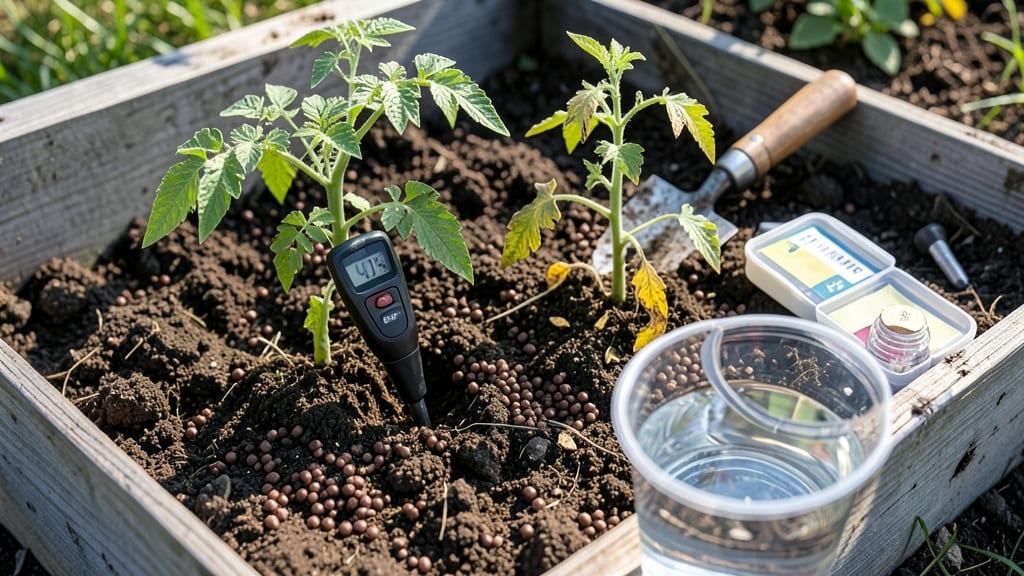
Your tomato seedlings stopped growing, and panic sets in—especially when you’ve nurtured them for weeks. 🌱 The good news? This happens to every gardener, and the fixes are simpler than you think.
Overwatering, nutrient shortages, or temperature swings are usually the culprits, but each has a straightforward solution that gets them growing again.
First, check the soil: if it’s soggy, roots are drowning. Let it dry slightly between waterings, and ensure pots have drainage. Yellow leaves? That’s a nutrient call—switch to a balanced fertilizer and watch them perk up in days.
And if your seedlings look leggy and weak, they’re stretching for light; move them closer to a sunny window or under grow lights.
With the right adjustments, you’ll see new growth within a week. The key is acting fast—stunted seedlings recover better when you catch the problem early. Think of it as a reset button: prune any damaged leaves, adjust your care routine, and soon you’ll have stocky, thriving plants ready for transplanting.
Prevention is easier than fixing: maintain consistent moisture, rotate seedlings for even light exposure, and harden them off before moving outdoors. These small steps keep your tomatoes on track from seed to harvest—no more stalls, just steady growth.
Root Causes Behind Stalled Growth
When your tomato seedlings hit a growth wall, it’s usually not a mystery—just a mix of environmental stress, nutritional gaps, or physical setbacks. Understanding the why behind the stall is half the battle.
Below, we break down the most common culprits, backed by science, so you can diagnose and fix the issue fast.
Tomato seedlings thrive when their roots have space to explore. If they’re packed too closely in trays or pots, roots compete for water, oxygen, and nutrients—leading to stunted, weak growth. This is especially true in container gardens, where root systems can quickly outgrow their space.
- Science behind it: Roots release ethylene gas in crowded conditions, which triggers stress responses and slows cell division in the shoot.
- Signs to watch for:
- Seedlings leaning or stretching toward light (a sign of poor root development).
- Yellowing leaves (chlorosis) from nutrient competition.
- Roots circling the pot’s edges (a classic "root-bound" signal).
- Fix it: Thin seedlings to 1–2 inches apart in trays or transplant to larger pots (at least 3–4 inches in diameter) with well-draining soil.
Tomatoes are warm-weather lovers, and seedlings need consistent warmth to grow. Dips below 50°F (10°C) or spikes above 90°F (32°C) can halt growth by disrupting enzyme activity in cells. Cold stress also makes seedlings more susceptible to disease.
- Science behind it: Chilling injuries damage cell membranes, while heat stress denatures proteins (like RuBisCO, critical for photosynthesis). Both scenarios stall metabolic processes.
- Signs to watch for:
- Purple or blackened stems (cold damage).
- Wilting even when soil is moist (heat stress).
- Slow or no new leaf production.
- Fix it:
- Use a heat mat (70–80°F range) for seedlings indoors.
- Move containers to a south-facing window or under grow lights.
- For outdoor seedlings, use row covers or shade cloth on hot days.
Water is the lifeblood of seedlings, but improper moisture levels can stall growth faster than you think. Overwatering suffocates roots by cutting off oxygen, while underwatering triggers drought stress, halting photosynthesis and nutrient uptake.
| Problem | Signs | Fix |
|---|---|---|
| Overwatering |
|
|
| Underwatering |
|
|
Seedlings are nutrient hogs, and if their starter mix lacks key elements, growth grinds to a halt. The most critical deficiencies for stunted seedlings are:
- Nitrogen (N): Leads to pale, yellow leaves (starting with older leaves). Fix: Use a balanced fertilizer (10-10-10) or compost tea.
- Phosphorus (P): Causes dark green leaves with purple stems (a classic tomato deficiency). Fix: Add bone meal or superphosphate.
- Potassium (K): Results in weak stems and yellow leaf edges. Fix: Use kelp meal or a banana peel tea.
- Micronutrients (Mg, Fe, Zn): Causes yellowing between leaf veins (chlorosis). Fix: Apply Epsom salt (magnesium) or chelated iron.
Pro tip: 💡 Always water seedlings first before fertilizing to avoid root burn. Start with a half-strength solution and monitor for 3–5 days.
Hidden invaders like fungal diseases (damping-off), aphids, or root-knot nematodes can silently drain a seedling’s energy, leaving it weak and stunted. These issues thrive in moist, crowded conditions.
- Signs to spot:
- Seedlings toppling over suddenly (damping-off fungus).
- Sticky leaves or black mold (sooty mold from aphids).
- Gnarled, swollen roots (nematode damage).
- Fix it:
- Prevent damping-off with sterilized soil (bake at 200°F for 30 mins) and cinnamon dust on seeds.
- Spray aphids with neem oil or introduce ladybugs.
- For nematodes, soak seeds in hot water (120°F for 20 mins) before planting.
Tomato seedlings need 12–16 hours of bright light daily. Without it, they stretch toward any light source (a condition called etiolation), wasting energy and becoming leggy and weak.
- Science behind it: Low light reduces chlorophyll production, limiting photosynthesis. Seedlings also allocate energy to growing taller (not stronger) to reach light.
- Signs to watch for:
- Seedlings growing tall
Revive Your Seedlings Fast
Now that you know why your tomato seedlings might be stalling, let’s get them back on track with practical, step-by-step fixes. Each solution targets a common cause, so pick the one that matches your seedlings’ symptoms.
Remember, prevention is easier than a rescue mission—so we’ll include tips to keep future plants thriving!
Signs: Leggy, pale seedlings or stunted, dark green growth.
How to Fix It: 🔥 Boost Light Exposure
- Move seedlings to a sunniest spot (south-facing window or grow lights).
- If using grow lights, place them 2–4 inches above the seedlings and run them for 12–16 hours/day.
- Rotate trays daily to prevent uneven growth.
🌡️ Prevent Overheating
- Avoid placing seedlings near heat sources (radiators, vents).
- Use a thermometer to monitor temps—ideal range is 65–75°F (18–24°C).
✨ Pro Tip: If seedlings are already leggy, bury them deeper (up to the first true leaves) to encourage stronger stems.
Signs: Wilting, yellowing leaves, or soil that’s either bone-dry or soggy.
How to Fix It: 👨🍳 Check Soil Moisture
- Stick your finger 1 inch deep—if dry, water thoroughly. If muddy, hold off until the top inch feels damp.
- Use a moisture meter for accuracy (or the "squeeze test" on soil).
🥘 Adjust Your Watering Routine
- Bottom-water seedlings (place trays in shallow water for 10 mins) to avoid fungal diseases.
- Water early in the day so leaves dry quickly.
- Use well-draining soil (mix potting soil with perlite or vermiculite).
💡 Pro Tip: Overwatering is worse than underwatering—yellow leaves = too much water!
Signs: Slow growth, curled leaves, or seedlings leaning toward light sources.
How to Fix It: 🔥 Optimize Temperature
- Keep seedlings in a warm (65–75°F / 18–24°C) but not hot environment.
- Use a seedling heat mat (70–80°F / 21–27°C) for germinating seeds, then remove once sprouted.
- Avoid drafts (AC vents, open windows).
🌬️ Control Humidity
- Cover seedlings with plastic domes or plastic wrap for the first week to retain moisture.
- Once sprouted, ventilate daily to prevent mold (remove covers for 30 mins/day).
- Use a humidifier or place trays on a bed of pebbles with water underneath.
✨ Pro Tip: If leaves feel crispy, increase humidity. If mold appears, improve airflow immediately.
Signs: Pale yellow leaves (nitrogen deficiency), brown leaf edges (burn from excess salt), or stunted roots.
How to Fix It: 📊 Test Your Soil
- Use a simple soil test kit to check pH (ideal: 6.0–6.8) and nutrient levels.
- If soil is too alkaline, mix in peat moss or coffee grounds to lower pH.
🥗 Feed Gently
- Hold off on fertilizer for the first 2–3 weeks (seedlings don’t need it yet!).
- Once ready, use a balanced, water-soluble fertilizer (5-5-5 or 10-10-10) diluted to half strength.
- Foliar spray with seaweed extract (rich in micronutrients) for a quick boost.
💪 Pro Tip: Less is more! Over-fertilizing burns roots faster than you think.
Signs: Roots circling the pot, wilting after repotting, or growth halting post-transplant.
How to Fix It: 🔪 Repot Carefully
- Choose a container 1–2 inches larger than the current one (no need for huge pots yet!).
- Loosen roots gently before transferring to avoid breakage.
- Use fresh, well-draining potting mix (avoid garden soil—it compacts).
🌱 Encourage New Root Growth
- After repotting, water lightly and place in bright, indirect light for 3–5 days.
- Apply a rooting hormone (optional) to stimulate new growth.
- Avoid fertilizing for 1–2 weeks to let roots recover.
⏰ Pro Tip: Transplant on a cloudy day to reduce stress on seedlings.
Want to avoid stunted growth next time?
Follow these golden rules: - Light: 12–16 hours of bright light daily (grow lights > windowsills). - Water: Consistency is key—check soil moisture before watering. - Temperature: Keep warm but not hot (65–75°F / 18–24°C). - Soil: Use sterile, well-draining mix (no garden soil!). - Fertilizer: Wait until seedlings have 2–3 true leaves before feeding. - Spacing: Thin seedlings early to avoid competition for nutrients.
Remember: Most seedlings recover quickly with the right care. If all else fails, snip off the leggy tops (just above a leaf node) to encourage bushier growth. Your tomatoes will thank you! 🍅💚
Frequently asked questions
My tomato seedlings stopped growing after transplanting—what went wrong?
Transplant shock is the most likely culprit! Seedlings need time to recover from root disturbance. Use fresh, well-draining soil and avoid fertilizing for 1-2 weeks to let roots establish. Water lightly and keep them in bright, indirect light for 3-5 days—this gives roots time to adapt without stress.
Can I save leggy tomato seedlings that won't grow?
First, bury them deeper (up to the first true leaves) to stabilize stems. Then move them to 12-16 hours of bright light daily—grow lights work best. For extra help, trim the top 1/3 off just above a leaf node to encourage bushier, stockier growth while roots catch up.
Why are my tomato seedlings turning yellow but still standing?
Yellow leaves usually mean overwatering or nutrient deficiency. Check soil moisture first—it should feel like a damp sponge 1 inch deep. If soggy, let it dry slightly between waterings. If dry, yellowing could signal nitrogen deficiency—use a balanced fertilizer (5-5-5) diluted to half strength.
How do I know if my seedlings need more light or fertilizer?
Look at their appearance: Leggy, pale seedlings need more light (move to a sunniest window or use grow lights). Dark green leaves with purple stems or slow growth indicate nutrient needs—start with a half-strength fertilizer or compost tea. Pro tip: Always water first to prevent root burn!
Is it too late to fix my tomato seedlings if they've stopped growing for 2 weeks?
Not at all! Start by diagnosing the root cause (light, water, nutrients, or temperature). Most seedlings recover within 7-10 days of proper care. If they're severely stunted, prune the top growth to redirect energy to root development. With consistent warmth (65-75°F), bright light, and balanced moisture, you'll see new growth within 2 weeks.