
Vegetables
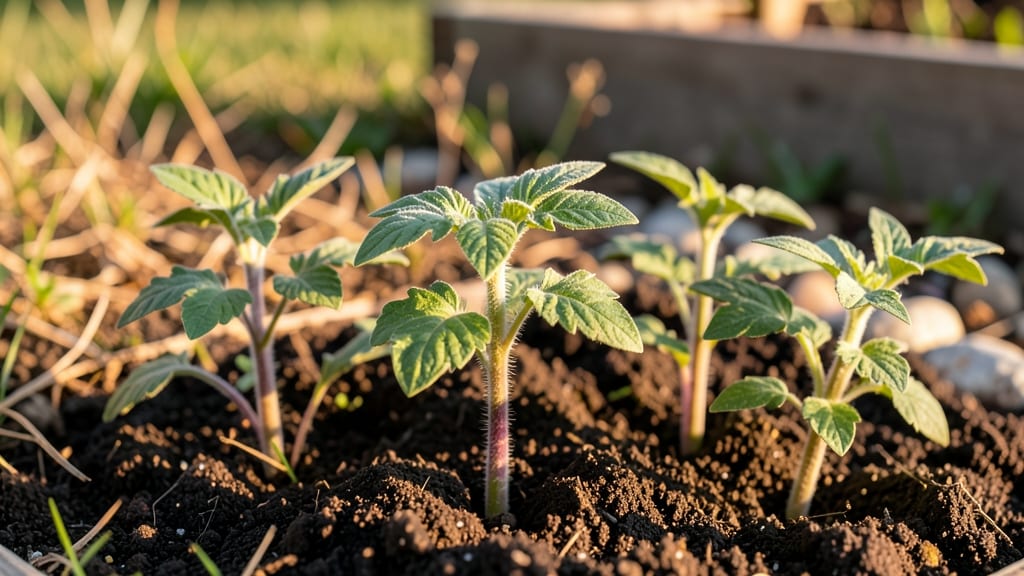
When your tomato seedlings turn purple, it’s not a death sentence—it’s a sign your plants are asking for help. 🌱 I’ve seen this happen with my heirloom varieties, and the fix is simpler than you’d think, starting with a soil check and light adjustments that make all the difference.
The purple hue usually means phosphorus overload or cold stress, but it can also signal disease. Too much phosphorus from fertilizers or compost can cause this, while temperatures below 50°F slow growth and trigger the color shift. Even overcrowded seedlings can develop it as they compete for nutrients.
Start by testing your soil’s phosphorus levels and adjusting with a balanced fertilizer (like 10-10-10). Move seedlings to a warmer spot—65-75°F is ideal—and thin them if they’re packed too tightly. Within a week, you’ll see greener leaves and stronger stems.
For container growers, this is especially critical—purple seedlings in pots can’t outgrow their problems. The good news? Once you fix the root cause, these plants bounce back faster than you’d expect, and you’ll end up with vibrant, productive varieties that thrive in limited space.
Root Causes Behind Purple Seedlings
If your tomato seedlings are sporting unexpected purple hues, don’t panic—it’s often a sign of something fascinating (and fixable) happening beneath the soil. Purple leaves or stems in young tomato plants usually stem from a few key factors, each with a clear scientific explanation.
Let’s break down why this happens and how to address it.
Purple-tinged seedlings are often a classic symptom of phosphorus deficiency, though nitrogen or potassium shortages can also play a role. Phosphorus is crucial for energy transfer, root development, and overall plant metabolism.
When seedlings lack it, they may produce anthocyanins—pigments that give leaves a purple or reddish tint—as a stress response.
- 🔬 How to diagnose: Check for purple hues on the undersides of leaves or along leaf veins. Stunted growth or weak stems often accompany this issue.
- 💡 Quick fix: Use a balanced fertilizer (like 10-10-10) or a phosphorus-specific supplement (e.g., bone meal). For container-grown seedlings, dilute a half-strength liquid fertilizer (e.g., fish emulsion) into the watering can.
- ⚠️ Pro tip: Over-fertilizing can burn seedlings—always water thoroughly after applying nutrients to help them absorb evenly.
Tomatoes are warm-season plants—they thrive in temperatures between 65–85°F (18–29°C). When seedlings experience sudden cold snaps (<50°F/10°C) or drafty conditions, they may produce anthocyanins as a protective measure against cellular damage. This is especially common in early spring or late fall plantings.
- 🌡️ Signs to watch for:
- Purple stems or leaf edges
- Slowed growth or wilting
- Seedlings leaning toward light sources (etiolation)
- 🔥 Solution:
- Move containers to a warmer, sunny spot (e.g., a greenhouse, south-facing windowsill, or under grow lights).
- Use a seedling heat mat (set to 70–75°F/21–24°C) if nighttime temps drop below 55°F (13°C).
- Avoid placing seedlings near drafty doors, windows, or AC vents.
While seedlings need consistent moisture, waterlogged roots can’t absorb nutrients efficiently, leading to deficiencies—and yes, purple discoloration. Compacted soil or containers without drainage holes trap excess water, suffocating roots and triggering stress responses like anthocyanin production.
- 🚨 Red flags:
- Yellowing leaves (chlorosis) paired with purple stems
- Soggy soil that stays damp for >24 hours
- Seedlings toppling over or looking limp
- 🔧 Fix it fast:
- Let the top inch of soil dry out between waterings.
- Repot seedlings into containers with drainage holes and a mix of potting soil + perlite (50/50 ratio).
- If roots are rotting, trim the damaged parts with sterilized scissors and repot in fresh, dry soil.
Not all purple is a problem! Some tomato varieties—like ‘Purple Calabash’, ‘Black Krim’, or ‘Indigo Rose’—naturally produce purple-tinged leaves, stems, or even fruit. These hues often fade as plants mature but can reappear under stress.
If your seedlings are healthy (vigorous growth, no wilting) and the purple is consistent with the variety’s description, you’re likely dealing with a genetic quirk rather than a deficiency.
- 📖 How to confirm: Check the seed packet or plant tag for heirloom varieties known for purple foliage.
- 🌱 What to do: Monitor growth and adjust care as usual—no need for fertilizer changes unless other symptoms (e.g., yellowing) appear.
Remember: Purple seedlings are rarely a death sentence—they’re your plants’ way of signaling a need for adjustment. Start with the most likely culprit (nutrients or temperature) and act accordingly. With the right care, those vibrant seedlings will soon be producing lush green leaves—and eventually, juicy tomatoes! 🍅🌿
Quick fixes for purple tomato seedlings
When your tomato seedlings turn purple, it’s often a sign that something needs adjusting—but don’t panic! With the right approach, you can restore their healthy green hue and set them up for a thriving harvest.
Below are practical, step-by-step solutions tailored to the most common causes, along with prevention tips to keep your seedlings vibrant.
---
If your seedlings are showing purple tinges due to low phosphorus or nitrogen, act fast to correct the imbalance.
#### 🔥 Boost Phosphorus for Root Growth Purple stems or leaves often mean your seedlings are starving for phosphorus, a key nutrient for root development. - 🍳 Mix a balanced fertilizer (like 10-10-10 or 5-10-10) into the soil at half-strength to avoid overfeeding. - 👨🍳 Apply a phosphorus-rich supplement like bone meal (1 tbsp per gallon of soil) or a liquid fish emulsion (follow package instructions). - 🥘 Water deeply after fertilizing to help nutrients absorb into the roots.
#### ⏰ Prevent Future Deficiencies - 💡 Test your soil before planting—amend with compost or aged manure if phosphorus levels are low. - ✨ Use slow-release fertilizers (like osmocote) to maintain steady nutrient flow. - 🌡️ Avoid overwatering, which can leach nutrients away.
---
If your seedlings are purple from stress due to soggy roots, they need better drainage and less frequent watering.
#### 🔪 Improve Soil Drainage Immediately - 🍳 Check the soil moisture—stick your finger 1 inch deep; if it’s damp, hold off on watering. - 👨🍳 Repot in well-draining mix if using heavy or compacted soil.
Combine: - 60% potting soil - 30% perlite or vermiculite - 10% compost - 🥘 Elevate containers (use saucers with drainage holes) to prevent waterlogging.
#### 🎯 Adjust Your Watering Routine - 💡 Water only when the top inch of soil feels dry—tomato seedlings hate "wet feet." - ✨ Use a moisture meter to track soil conditions accurately. - 🌡️ Water in the morning to allow excess moisture to evaporate during the day.
---
Purple hues can also signal cold stress or insufficient light, especially in early growth stages.
#### 🔥 Warm Up the Environment - 🍳 Move seedlings to a warmer spot (ideal: 65–75°F during the day, 55–60°F at night). - 👨🍳 Use a heat mat (for indoor seedlings) or a cloche (for outdoor seedlings) to protect from chilly nights. - 🥘 Avoid drafts near windows or doors, which can cause temperature swings.
#### ⏰ Optimize Light Exposure - 💡 Provide 12–16 hours of light daily—use grow lights if natural light is insufficient. - ✨ Rotate seedlings weekly to prevent them from leaning toward the light source. - 🌡️ Harden off gradually before transplanting—expose seedlings to outdoor conditions for 1–2 hours daily, increasing time over a week.
---
While rare, purple discoloration can sometimes indicate fungal issues or pest damage. Act quickly if you suspect an infestation.
#### 🔪 Inspect and Treat Affected Seedlings - 🍳 Check for pests (aphids, spider mites) on undersides of leaves—wipe off with soapy water if found. - 👨🍳 Apply neem oil or insecticidal soap (follow label instructions) for severe infestations. - 🥘 Remove severely infected seedlings to prevent spread to healthy plants.
#### 🎯 Prevent Future Issues - 💡 Space seedlings properly (2–3 inches apart) to improve airflow. - ✨ Sterilize tools and containers before reuse to avoid fungal spores. - 🌡️ Avoid overhead watering—water at the base to keep foliage dry.
--- Pro Tip: 🌱 If your seedlings are still struggling after 1–2 weeks, consider transplanting them into fresh, nutrient-rich soil to give them a clean start!
Frequently asked questions
Are purple tomato seedlings always a sign of a problem?
Not necessarily! Some heirloom varieties like ‘Purple Calabash’ or ‘Indigo Rose’ naturally develop purple hues in their leaves and stems. If your seedlings are otherwise healthy (vigorous growth, no wilting), the color is likely genetic. Check your seed packet to confirm the variety's characteristics.
How quickly should purple tomato seedlings recover after fixing the issue?
With proper care, you should see noticeable improvement within 3-7 days. If the issue was phosphorus deficiency, new growth should turn green within a week. For cold stress, move seedlings to warmer conditions immediately—they'll bounce back faster than you'd expect once protected from drafts.
Can I use regular garden soil for my purple tomato seedlings?
Regular garden soil is too dense and can cause waterlogging, which worsens purple discoloration. Use a lightweight potting mix combined with 30% perlite or vermiculite for better drainage. For containers, ensure they have drainage holes to prevent soggy roots that prevent nutrient absorption.
What's the best fertilizer ratio for fixing purple tomato seedlings?
Start with a balanced fertilizer like 10-10-10 or 5-10-10 at half-strength to avoid burning young roots. For phosphorus-specific needs, bone meal (1 tbsp per gallon of soil) works well. Always water thoroughly after applying fertilizer to help nutrients reach the roots.
Will my purple tomato seedlings still produce good fruit?
The purple color is just a stress indicator, not a permanent condition. Once you address the underlying issue (nutrient imbalance, cold stress, or poor drainage), your seedlings will grow strong and produce healthy fruit. The purple may fade completely or remain subtle in varieties bred for it.