
Vegetables
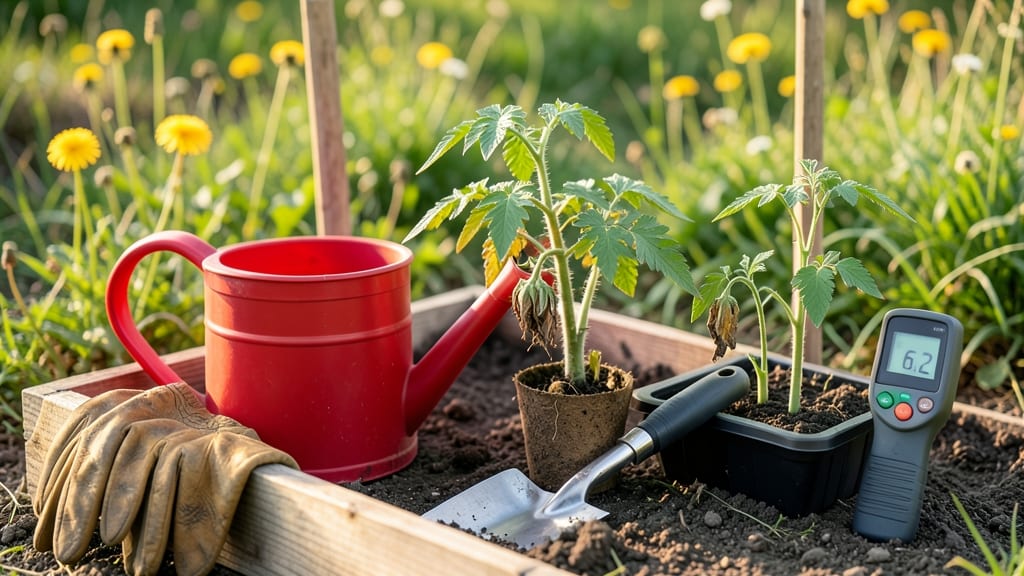
Tomato seedlings drooping can feel like a death sentence—until you know the three quick fixes that bring them back to life. 🌱 I’ve revived dozens of limp seedlings by addressing the real culprits: overwatering, temperature swings, or simple transplant shock.
The key is acting fast, checking the soil, and giving them the right support. Start by feeling the soil—if it’s damp, hold off on watering; if it’s bone-dry, give them a slow drink. Then, prop up the stems with toothpicks or a small stake to prevent further stress.
Most seedlings perk up within 24 hours of these adjustments, and you’ll see new growth in just a few days. The secret to keeping them standing strong? Consistent moisture and gentle handling after transplanting. Avoid letting them dry out or getting chilled, and you’ll skip the droop entirely next time.
Once you’ve got the rhythm down, your seedlings will grow into thriving plants ready for the garden. This method works for any tomato variety, from cherry to heirloom, and even saves seedlings that looked hopeless. Let’s turn those wilted stems into sturdy, sun-loving plants!
Root Causes Of Seedling Stress
When your tomato seedlings start drooping, it’s often a cry for help from their roots—or something even more urgent. Understanding the why behind the wilt is the first step to saving them. Below, we break down the most common culprits, backed by science, so you can diagnose and act fast.
Tomato seedlings thrive on consistent moisture, but too much water suffocates their roots. When soil stays soggy, oxygen can’t reach the roots, leading to anaerobic conditions—a silent killer for young plants. This causes:
- Root rot: Fungal pathogens like Pythium or Phytophthora multiply in waterlogged soil, rotting delicate roots.
- Nutrient starvation: Waterlogged roots can’t absorb water or nutrients efficiently, even if the soil looks moist.
- Stunted growth: Seedlings may appear wilted but not dead—yet—because their energy is diverted to survival, not growth.
💡 Pro Tip: Stick your finger 1 inch into the soil. If it’s damp but not dripping, you’re likely overwatering. Tomato seedlings need water when the top inch feels dry, not on a schedule.
On the flip side, insufficient water causes seedlings to wilt as they lose turgor pressure—the natural rigidity from water-filled cells. Without enough hydration:
- Leaves curl and droop: A survival mechanism to reduce water loss via transpiration.
- Stunted root development: Roots struggle to reach deeper moisture, creating a vicious cycle.
- Permanent damage: If left too long, cells can rupture, and the seedling may not recover.
🔥 Key Sign: Soil pulls away from the pot edges, and the top layer is bone-dry. Water deeply until it drains from the bottom, then let the soil dry slightly before watering again.
Even the gentlest move can stress seedlings. When you transplant them—whether from seed trays to pots or outdoors—their roots get physical trauma. This disrupts:
- Water uptake: Damaged roots can’t absorb moisture efficiently, leading to wilting within hours.
- Hormonal signals: Roots produce stress hormones like abscisic acid (ABA), which triggers wilting as a protective response.
- Microbiome disruption: Beneficial soil bacteria and fungi (like mycorrhizae) are disturbed, slowing nutrient absorption.
🌡️ Prevention Tip: Harden off seedlings gradually (expose them to outdoor conditions for 1-2 weeks) and avoid transplanting when soil is waterlogged or frozen. Use a root stimulator (like seaweed extract) to speed recovery.
Tomato seedlings are sensitive to temperature swings. Too hot or too cold disrupts their cellular functions:
- Cold damage (below 50°F/10°C): Causes chilling injury, where cell membranes leak, and water uptake halts.
- Heat stress (above 90°F/32°C): Increases transpiration (water loss) faster than roots can replace it, leading to wilting.
- Fungal infections: Extreme temps weaken seedlings, making them vulnerable to damping-off or powdery mildew.
✨ Solution: Provide shade cloth for seedlings in hot climates and avoid transplanting when night temps drop below 55°F/13°C. Use row covers for early-season protection.
Wilting can also signal a hunger for essential nutrients. Tomato seedlings need a balanced diet, and deficiencies trigger stress responses:
| Nutrient | Deficiency Signs | Why It Causes Wilting |
|---|---|---|
| Nitrogen (N) | Pale, yellowing leaves (chlorosis), stunted growth | Reduces protein synthesis, weakening cell structure and water regulation. |
| Phosphorus (P) | Dark green/purple stems, slow growth | Impairs energy transfer (ATP), stalling root and shoot development. |
| Potassium (K) | Yellowing leaf edges, weak stems | Disrupts osmotic balance, reducing the plant’s ability to hold water. |
| Calcium (Ca) | Young leaves curl, distorted growth | Weakens cell walls, leading to blossom-end rot in later stages and poor water uptake. |
💪 Fix It: Use a balanced fertilizer (10-10-10 or 5-5-5) for seedlings. For deficiencies, target-specific amendments: compost tea for N, bone meal for P, Epsom salt for Mg/K.
Now that you know the why, the next step is action. The good news? Most of these issues are reversible with the right care. Stay tuned for our 3-step revival guide to bring your tomato seedlings back to full, perky health!
Reviving Wilted Seedlings Fast
---
Seeing your tomato seedlings droop can feel like a gut punch—especially after all the care you’ve poured into them. 🌱 But don’t toss those plants just yet! With the right fixes, you can often bring them back to vibrant, healthy life.
Below, we’ll tackle the most common causes of wilting seedlings and give you step-by-step solutions to turn things around. Plus, we’ll share pro tips to keep your future plants perky and thriving.
---
If your seedlings are sitting in soggy soil, their roots are drowning—and that’s why they’re wilting. Overwatering cuts off oxygen, leading to root rot or fungal diseases.
#### 🔥 Step 1: Check the Soil - Stick your finger 1 inch deep into the soil. If it’s damp (not bone-dry but not soggy either), hold off on watering. - If the soil feels muddy or smells sour, you’ve got overwatering issues.
#### 🍳 Step 2: Let Them Dry Out - Gently remove the seedlings from their container and pat the roots dry with a clean paper towel. - Repot them in fresh, well-draining soil mix (50% potting soil + 50% perlite or vermiculite). - Pro Tip: 💡 Use a moisture meter to avoid guesswork—aim for soil that’s moist but not wet.
#### 👨🍳 Step 3: Adjust Your Watering Habits - Water only when the top inch of soil is dry (usually every 2–3 days, depending on humidity). - Use a small watering can with a narrow spout to target the base—no overhead drenching! - Prevention Tip: ✨ Add sand or coconut coir to your soil mix for better aeration.
---
Scorching afternoon sun or a cramped, overheated seedling tray can cause wilting faster than you’d think. Plants transpire (release water) too quickly, leading to droop.
#### 🌡️ Step 1: Move Them to Shade - Shift seedlings to a spot with bright, indirect light (east or north-facing windows are ideal). - If outdoors, use shade cloth (30–50%) during peak sun (10 AM–4 PM).
#### 🎯 Step 2: Boost Humidity - Place a humidity dome (or a plastic bag with holes) over seedlings to retain moisture. - DIY Hack: 💡 Set up a tray of water with pebbles underneath the pots—evaporation increases humidity.
#### ⏰ Step 3: Water in the Morning - Water early in the day so leaves dry before evening (prevents fungal issues). - Prevention Tip: 🌡️ Keep seedlings away from heat sources like vents or direct sunlight.
---
Wilting can also signal too much fertilizer (burning roots) or not enough nutrients (weak stems). Tomato seedlings need a gentle, balanced diet.
#### 📊 Step 1: Flush the Soil - If you’ve over-fertilized, leach the soil by watering until it runs clear from the drainage holes. - Use rainwater or distilled water to avoid adding more salts.
#### 💪 Step 2: Feed Lightly - Wait 2–3 weeks after transplanting before fertilizing. - Use a diluted, organic fertilizer (like fish emulsion at ½ strength) every 2–3 weeks. - Avoid synthetic fertilizers—they can burn tender seedlings.
#### 🥗 Step 3: Boost with Micronutrients - Add Epsom salt (1 tsp per gallon of water) for magnesium (prevents yellowing). - Prevention Tip: ✨ Use compost tea for a gentle nutrient boost without risk of burn.
---
Tiny invaders like aphids, spider mites, or fungal infections (like damping-off) can sap your seedlings’ strength, causing wilting.
#### 🔪 Step 1: Identify the Culprit - Check leaves for holes, webbing, or sticky residue (aphids). - Look at the stem base for dark, mushy spots (fungal infection).
#### 🌿 Step 2: Remove Infested Parts - Snip off wilting or yellowed leaves with clean scissors. - Isolate affected plants to prevent spread.
#### 🛡️ Step 3: Apply Natural Remedies - Pests: Spray with neem oil (1 tsp + 1 quart water) or soapy water (1 tsp mild soap per liter). - Fungus: Dust with cinnamon powder or use hydrogen peroxide (1 tsp per cup of water) as a soil drench. - Prevention Tip: 🎯 Rotate plants to improve airflow and reduce humidity buildup.
---
If your seedlings are beyond saving, don’t waste the effort—propagate healthy cuttings to grow new plants!
#### ✨ Step 1: Take Cuttings - Snip 4–6 inch stems just below a leaf node (where roots form). - Remove lower leaves and dip in rooting hormone (optional but helpful).
#### 🌱 Step 2: Root in Water or Soil - Water method: Place cuttings in a jar of water, changing it every 2 days. - Soil method: Plant in moist perlite or a soil-less mix and keep humid.
#### 🌿 Step 3: Monitor Growth - Once roots are 1–2 inches long, transplant into pots with nutrient-rich soil. - Pro Tip: 💡 Use a clear container for water propagation to track root growth!
---
With these fixes, your tomato seedlings should perk up within 24–48 hours—or you’ll have fresh starts ready to thrive! Remember, prevention is key: water wisely, monitor light, and keep pests at bay. Happy gardening! 🍅🌟
Frequently asked questions
Why do my tomato seedlings droop in the morning but perk up later?
This is normal! Seedlings often wilt slightly in cool morning air due to transpiration stress—water loss overnight when roots aren't actively absorbing moisture. If they recover by midday with firm stems, they're healthy. The fix? Ensure consistent moisture and protect them from cold drafts or evening watering.
How can I tell if my drooping seedlings are dead or just stressed?
Check for these signs: Alive seedlings have firm stems (squeeze gently—they should spring back) and green leaves that feel crisp. Dead seedlings will have mushy, black stems, no green tissue, or a foul smell. If you're unsure, try the "float test"—place the seedling in water for 24 hours; if it revives, it's not dead!
Is it better to save drooping seedlings or start over with new ones?
Save them if the stems are still firm and you can identify/reverse the stressor! Starting over costs time and money. For stubborn cases, take healthy cuttings (4-6" stems) and root them in water—you'll have new plants in 2-3 weeks. Only replace if roots are rotted or the plant is completely limp and discolored.
Can I use aspirin water to revive drooping tomato seedlings?
Yes! Crush 1 aspirin tablet in 1 gallon of water and water your seedlings at the soil line. The salicylic acid helps reduce stress and may prevent fungal infections. Reapply every 5-7 days for stressed plants. This works best for mild cases of transplant shock or mild nutrient deficiency.
What's the fastest way to revive seedlings after transplant shock?
Give them a root boost cocktail right away: Mix 1 tsp seaweed extract, ½ tsp Epsom salt, and 1 tbsp compost tea in 1 gallon of water. Water at the base and provide shade for 3-5 days. Most seedlings show improvement within 24-48 hours with this treatment.