
Companion Plants
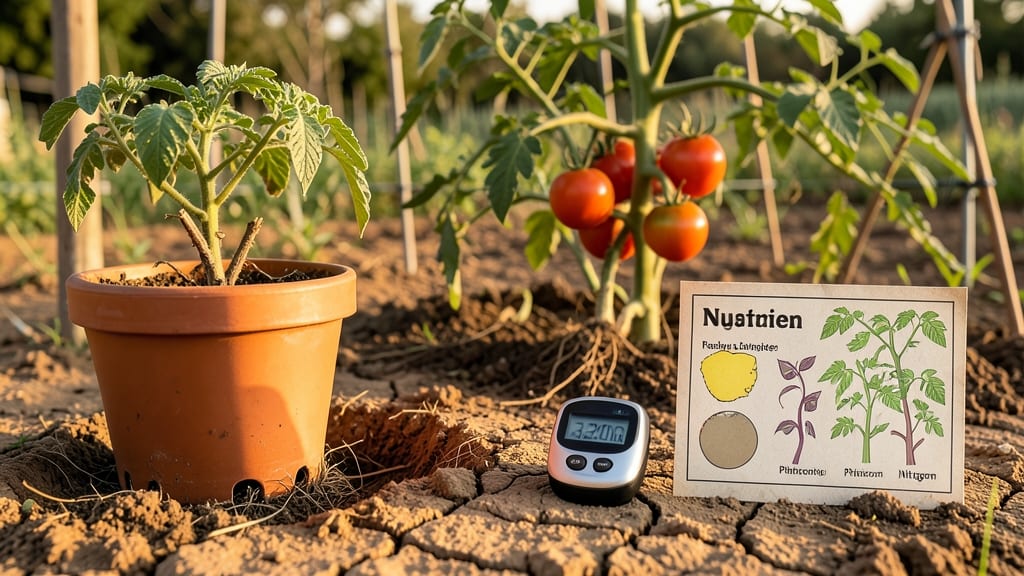
Tomato plants not growing taller usually means they’re stuck in survival mode—whether from poor soil, too much shade, or pests sucking their energy. ✨ I’ve seen stunted plants bounce back in as little as 10 days with the right fix, and I’ll walk you through the fastest solutions.
The problem often starts with nitrogen deficiency or crowded roots competing for space. Yellow leaves? That’s your plant screaming for food. Overwatering or pests like aphids can also drain energy, leaving stems weak and growth stalled. The good news? Most fixes take less than 30 minutes and cost almost nothing.
By the end, you’ll have plants reaching for the sky—6+ feet tall—with thick stems and vibrant leaves. We’ll tackle soil, light, pests, and pruning so you can enjoy a harvest that puts your neighbors’ gardens to shame. Here’s how to get them growing again fast.
First, check your soil—sticky or waterlogged? That’s a red flag. Amend with compost or a balanced fertilizer (10-10-10 works wonders), and water only when the top inch feels dry. If your plants are crowded, thin them out now—too many stems mean less height.
Prune suckers (those little shoots in the leaf axils) to redirect energy upward. Pests like aphids or spider mites can stunt growth too. Blast them off with a strong spray of water or use neem oil if they’re stubborn.
And if your tomatoes are leggy but not growing, they might need more light—move them to a sunnier spot or add a grow light for 12+ hours a day. Small changes make a huge difference in days, not weeks.
For stubborn cases, a side-dressing of nitrogen (like coffee grounds or fish emulsion) can jumpstart growth. Keep an eye on temperature too—below 50°F or above 90°F slows everything down.
With these fixes, you’ll see new growth within a week or two, and your plants will start climbing their cages like they’re in a race. This works for container tomatoes, raised beds, or in-ground gardens—no matter your setup, we’ll get those plants stretching toward the sun again.
Let’s get to it!
Root Causes of Stunted Growth
If your tomato plants are refusing to reach their full potential, the issue often lies beneath the soil—or even in the air around them. Understanding the why behind stunted growth is the first step to reviving your plants.
Below, we break down the most common culprits, backed by science, so you can diagnose the problem like a pro.
Tomatoes are heavy feeders, and if your soil lacks the right nutrients or structure, they’ll struggle to grow upward. Here’s what’s likely going wrong:
- 📊 Nutrient Deficiencies Tomatoes need a balanced diet of nitrogen (N), phosphorus (P), and potassium (K)—the classic NPK ratio—to thrive. Without enough nitrogen, plants produce weak, pale stems and sparse foliage. Phosphorus deficiency stunts root development, while potassium keeps cells healthy for growth.
- Test it: Look for yellowing leaves (nitrogen deficiency) or dark green, purplish stems (phosphorus deficiency).
- Fix it: Amend soil with compost, balanced fertilizer (10-10-10), or tomato-specific feed high in nitrogen early in the season.
- 🏗️ Compacted or Waterlogged Soil Roots need oxygen to grow. If soil is too dense (from foot traffic or clay) or constantly soggy, roots suffocate and can’t absorb water or nutrients efficiently.
- Test it: Dig a small hole—if soil feels like a brick when dry or stays muddy when wet, drainage is the issue.
- Fix it: Loosen soil with a garden fork, add organic matter (peat moss, coconut coir), or create raised beds for better aeration.
- 🌡️ Wrong pH Levels Tomatoes prefer slightly acidic soil with a pH between 6.0 and 6.8. Outside this range, nutrient uptake plummets.
- Test it: Use a soil pH test kit (available at garden centers). Below 6.0? Too acidic. Above 7.0? Too alkaline.
- Fix it: Lower pH with sulfur or pine needles; raise pH with lime (apply 6–12 months before planting).
Even the best soil won’t help if your plants are battling external factors. Heat, cold, or poor light can halt vertical growth faster than you think.
- 🌡️ Extreme Temperatures Tomatoes are warm-season crops—they thrive in 70–85°F (21–29°C). Below 50°F (10°C), growth stalls, and above 90°F (32°C), they can suffer from heat stress, leading to weak stems.
- Test it: Check leaf edges—crispy or curled = too hot; yellowing or wilting = too cold.
- Fix it: Use shade cloth in peak sun, mulch to regulate soil temp, or row covers for early/late season protection.
- ☀️ Insufficient Light Tomatoes need 6–8 hours of direct sunlight daily. Without it, they stretch (etiolate) toward light but grow weak and leggy.
- Test it: If plants lean toward a window or seem spindly with small leaves, light is the issue.
- Fix it: Move potted plants to a sunnier spot or prune nearby trees/shade structures. For container gardens, consider grow lights if natural light is limited.
- 💨 Wind and Physical Damage Strong winds can break stems or cause sunscald (white patches on leaves), diverting energy away from growth. Even gentle breezes can stress young plants.
- Fix it: Install windbreaks (bamboo stakes, trellises, or mesh screens) or stake plants early to support them.
Hidden invaders can sap your plants’ energy, leaving them stunted and struggling. Watch for these silent saboteurs:
- 🐜 Root Issues Root-knot nematodes, fungal root rot, or grubs can damage roots, reducing water and nutrient absorption.
- Test it: Gently pull a plant—if roots are mushy, discolored, or knotted, pests or disease are likely.
- Fix it: Rotate crops, use neem oil (for nematodes), or apply **beneficial fungi like Trichoderma to soil.
- 🍃 Fungal Infections Early blight or verticillium wilt can cause yellowing leaves** and stunted growth by clogging the plant’s vascular system.
- Test it: Look for brown spots with yellow halos (early blight) or wilting despite moist soil (verticillium).
- Fix it: Remove infected plants, water at the base (not overhead), and apply copper fungicide preventatively.
- 🐛 Aphids, Whiteflies, and Spider Mites These sap-sucking pests weaken plants by draining nutrients, leading to slow growth and distorted leaves.
- Test it: Check undersides of leaves for sticky residue (honeydew) or tiny insects.
- Fix it: Blast off pests with water, introduce ladybugs, or spray insecticidal soap.
Tomatoes need space to breathe—literally. When roots or neighboring plants compete for resources, growth grinds to a halt.
- 🌿 Too Close Together Plants spaced too tightly (less than 18–24 inches apart) compete for sunlight, water, and nutrients, leading to weak stems.
- Fix it: Thin seedlings to the strongest 2–3 per plant and space them properly.
- 🌱 Aggressive Companion Plants Some "companions" (like corn or fennel) can steal nutrients or attract pests that harm tomatoes.
- Fix it: Stick to tomato-friendly companions like basil, marigolds, or onions, and avoid overcrowding.
Now that you’ve identified the likely cause, the next step is action—but don’t panic! Most of these issues are reversible with the right fixes. Stay tuned for our next section on quick solutions to get your tomatoes reaching for the sky again. 🚀
Revive your tomato plants fast
Stunted tomato plants can be frustrating, but the good news is most issues have quick fixes! Below, we’ve mapped out practical solutions for each common cause—plus tips to keep your plants thriving long-term. Let’s get those vines reaching for the sun again.
Signs: Yellowing leaves, weak stems, slow growth despite watering. Why it happens: Tomatoes need balanced nutrients (especially nitrogen, phosphorus, and potassium) to grow tall and strong. Poor soil or overworked beds starve them.
How to Fix It:
- Test Your Soil 📊 Grab a soil test kit (or send a sample to your local extension office) to check pH (ideal: 6.0–6.8) and nutrient levels. If it’s off, amend it before planting next season.
- Add Organic Matter 🍂 Mix in compost, aged manure, or worm castings (2–3 inches) into the top 6–12 inches of soil. This improves drainage, aeration, and nutrient availability.
- Fertilize Smartly 💪
- For stunted seedlings: Use a balanced fertilizer (10-10-10 or 5-5-5) at half-strength.
- For mature plants: Switch to a low-nitrogen, high-phosphorus fertilizer (like 5-10-10) to encourage root and vine growth.
- Avoid over-fertilizing—this can burn roots! Water well before and after applying.
- Top-Dress with Compost 🌿 Sprinkle a thin layer of compost around the base of the plant (not touching the stem) every 2–3 weeks for a slow nutrient boost.
💡 Prevention Tip: Rotate crops yearly—never plant tomatoes (or other nightshades) in the same spot two years in a row. This prevents nutrient depletion and disease buildup.
Signs: Stems stretch toward light, leaves pale or yellow, growth slows despite good care. Why it happens: Tomatoes are sun-worshippers—they need 6–8+ hours of direct sunlight daily. Shade from nearby plants, structures, or overcast skies weakens them.
How to Fix It:
- Relocate the Plant 🏡 If possible, move potted tomatoes to a sunnier spot immediately. For in-ground plants, prune nearby shade-casters (like tall weeds or competing veggies).
- Prune Obstructing Foliage ⏰ Trim back branches of nearby trees, shrubs, or even other tomato plants blocking sunlight. Aim for full sun exposure by midday.
- Use Reflective Surfaces 🪞 Place white reflective mulch (like bubble wrap or foil) around the base of the plant to bounce extra light onto the leaves.
- Extend the Growing Season 🌅
- Row covers (floating fabric) can add 2–4 weeks of sunlight in early spring/fall.
- Greenhouse or cold frame for late-season plants in cooler climates.
💡 Prevention Tip: When planting, choose a south-facing spot (in the Northern Hemisphere) with no permanent shade. If space is tight, opt for bush (determinate) varieties that grow shorter but still thrive in partial sun.
Signs: Wilting, yellowing lower leaves, slow growth, or stems that feel mushy or dry. Why it happens: Tomatoes hate inconsistent watering—too much or too little stresses them, halting growth.
How to Fix It:
- Water Deeply and Infrequently 💦
- Young plants: Water 1–2 inches per week (check soil moisture—top inch should be dry).
- Mature plants: Aim for 1.5–2 inches per week, especially during fruiting.
- Method: Water at the base (not leaves) using a drip irrigation system or soaker hose to keep roots moist.
- Fix Overwatering 🚰
- If soil feels soggy, pause watering for a few days and improve drainage by adding sand or perlite to heavy clay soil.
- Ensure pots have drainage holes and saucers underneath.
- Mulch to Retain Moisture 🌿 Apply 2–3 inches of mulch (straw, grass clippings, or wood chips) around the plant (keep it 6 inches away from the stem). This locks in moisture and regulates soil temperature.
💡 Prevention Tip: Water in the early morning to reduce evaporation and fungal risks. Avoid wetting leaves to prevent diseases like early blight.
Signs: Growth stops suddenly, leaves curl or turn brown, flowers drop. Why it happens: Tomatoes hate extremes—cold snaps, heatwaves, or drafts shock them into dormancy.
How to Fix It:
- Shade from Heat Stress 🌞
- Use shade cloth (30–50%) if temps exceed 90°F (32°C).
- Plant in late spring/early summer to avoid early heat spikes.
- Warm Up Cold Soil ❄️
- If planting in cool weather, use black plastic mulch to warm the soil.
- For potted tomatoes, move them to a sheltered spot (like near a sunny wall) at night.
- Protect from Wind 💨
- Use windbreaks (like trellises, fences, or even straw bales) to shield delicate plants.
💡 Prevention Tip: Choose heat-tolerant varieties like ‘Solar Fire,’ ‘Heatmaster,’ or ‘Arkansas Traveler’ for hot climates. For cold snaps, row covers can add 4–8°F protection.
Signs: Holes in leaves, chewed stems, wilting, or black/moldy spots. Why it happens: Pests (aphids, hornworms) and diseases (fusarium wilt, blight) drain energy from your plant, stunting growth.
How to Fix It:
- Hand-Pick Pests 👨🍳
- Hornworms: Remove by hand (they’re huge and easy to spot!).
- Aphids: Spray with soapy water (1 tsp mild soap + 1 quart water).
- Use Organic Sprays 🍋
- Neem oil (for fungal diseases and soft-bodied pests).
- Bacillus thuringiensis (Bt) (for caterpillars like hornworms).
- Remove Infected Plants 🚫
- If disease (like blight) is severe, pull and destroy the plant to prevent spread.
💡 Prevention Tip:
- Rotate crops to break pest/disease cycles.
- Plant companion herbs like basil, marigolds, or garlic to repel pests naturally.
Final Pro Tip: 🎯 If your tomato is still not growing after 2 weeks of fixes, check the roots—gentle tug on the stem should meet light resistance.
If it pulls out easily, the plant may be root-bound (time to repot) or diseased (start fresh with a new plant).
With these fixes, your tomato plants should perk up and start climbing in no time! 🍅🌟
Frequently asked questions
Why are my tomato plants growing wide but not tall?
This usually means your plants are getting too much nitrogen (like from over-fertilizing) or not enough light. Nitrogen fuels leafy growth but stunts vertical development. Check for pale, bushy foliage—this is a classic sign. Move your plants to sunnier spots and switch to a balanced fertilizer (5-10-10) to encourage upward growth.
How can I tell if my tomato plants are getting enough sunlight?
If your plants are stretching toward light with long, weak stems and small leaves, they’re begging for more sun. Tomatoes need 6-8 hours of direct sunlight daily. Try moving potted plants to a sunnier window or prune nearby shade structures. For container gardens, a grow light (12+ hours/day) can be a lifesaver.
Will pruning help my tomato plants grow taller?
Pruning removes suckers (those little shoots in leaf axils) and directs energy upward. For indeterminate varieties, prune suckers larger than a pencil and remove lower leaves to improve airflow. This can add 2-3 feet to your plant’s height while preventing disease. Just don’t overdo it—keep 3-4 main stems for support.
What should I do if my tomato plants stop growing after flowering?
This could mean your plant is redirecting energy to fruit production instead of growth. Check for pests (like aphids) or nutrient deficiencies (especially phosphorus). Apply a low-nitrogen, high-phosphorus fertilizer (5-10-10) and ensure consistent watering. If growth stalls completely, your plant may need a side-dressing of compost to revive root activity.
Can I use coffee grounds to help my tomato plants grow taller?
Yes! Coffee grounds are rich in nitrogen, which can jumpstart leafy growth—but use them sparingly. Mix 1 cup of used grounds per plant into the soil every 4-6 weeks. Too much can make soil too acidic (ideal pH: 6.0-6.8). For faster results, combine with compost and keep plants well-watered to prevent nutrient burn.