Planting
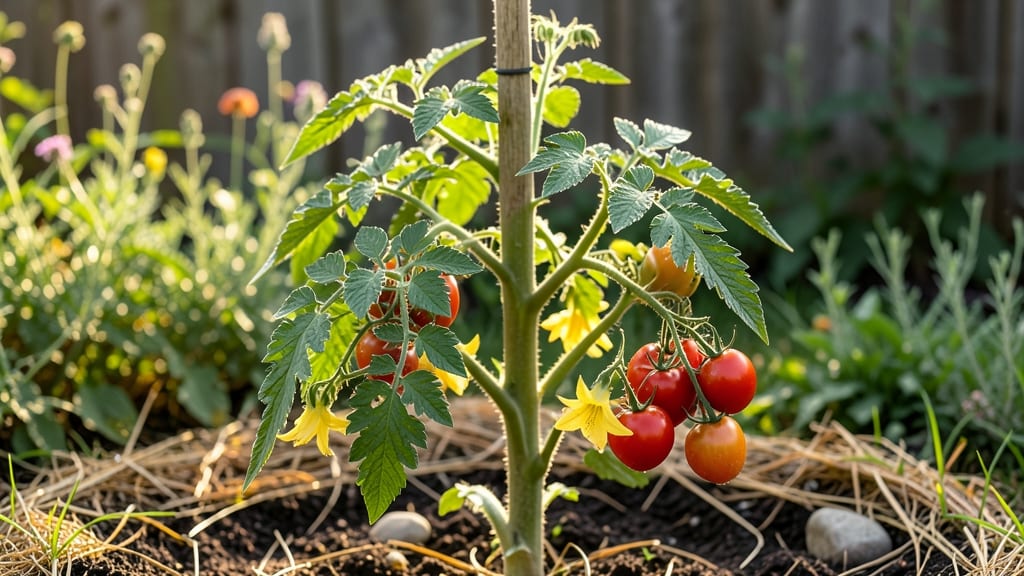
Your tomato plants need 6+ hours of direct sunshine daily—any less and you’ll get leggy stems, sparse blooms, and fruit that never ripens. 🌞 I’ve watched my plants go from struggling to producing bushels just by tweaking their light exposure, and the difference is night and day (literally).
The first sign of trouble? Stems stretching toward the sky like they’re reaching for heaven, leaves growing pale and sparse, and flowers dropping before they set fruit. Tomatoes are sun worshippers—the more light they get, the stronger they grow, and the more tomatoes you’ll harvest.
Here’s the game-changer: morning sun is non-negotiable—it kickstarts photosynthesis early. If your garden gets afternoon shade, focus on positioning plants where they catch those golden hours. Containers can be moved, raised beds offer flexibility, and even ground-planted tomatoes can be rotated for even exposure.
For cooler climates, extend the season with row covers or black plastic mulch to warm the soil and keep plants producing longer. In hot zones, provide afternoon shade to prevent sunscald on fruit.
The key is balance—too much heat without water leads to stress, but too little light means wasted effort.
📚 In This Guide
- What you need
- Instructions
- Tips and common mistakes
- Wrapping up and next steps
What you need
- ● Tomato Seeds or Seedlings: 6–10 seeds (if starting from scratch) or 3–5 healthy seedlings (for transplanting)
- ● Recommended varieties: Cherry tomatoes (e.g., 'Sungold'), beefsteak (e.g., 'Brandywine'), or disease-resistant hybrids like 'Celebrity'
- ● Containers or Garden Bed: Containers: 5-gallon pots or larger (1 plant per container for better airflow)
- ● Garden bed: Well-draining soil with 6+ inches of depth per plant
- ● High-Quality Potting Mix: 1–2 bags of sterilized, well-draining mix (avoid garden soil—it compacts and retains too much moisture)
- ○ Optional boost: Add compost or worm castings (10–20%) for nutrients
- ● Fertilizer: Balanced fertilizer (10-10-10 or 5-5-5) for seedlings
- ● Tomato-specific fertilizer (high in phosphorus & potassium, e.g., 5-10-10) once flowering begins
- ● Watering Supplies: Watering can with a rose attachment (for gentle, deep watering)
- ● OR a drip irrigation system (to avoid wetting leaves)
- ● Support Structures: Cages (5–6 ft tall) or trellises for indeterminate varieties
- ● Stakes (6 ft bamboo or metal) for determinate tomatoes
- ● Gloves & Pruners: Protect your hands and snip suckers/damaged leaves with sterilized pruners.
- ● Mulch: Straw or shredded leaves (2–3 inches thick) to retain moisture and suppress weeds.
- ● Shade Cloth (30–50% coverage): For seedlings or hot climates (use temporarily during 100°F+ temps).
- ● pH Test Kit: Ensure soil pH is 6.0–6.8 (tomatoes thrive in slightly acidic soil).
- ● Grow Lights (LED, full-spectrum): Supplemental lighting for indoor seedlings (12–16 hrs/day).
- ● Plant Markers: Label varieties to track growth and harvest times!
Step-by-step guide to positioning tomato plants for maximum sunshine
Here's how I ensure my tomato plants get the light they crave for bigger yields.
☀️ Step 1: Scout Your Sunniest Spot
Start by tracking sunlight patterns in your yard for at least 3 days. Tomatoes need 6+ hours of direct sun daily, but I always aim for 8 hours for the best fruit production. Look for areas where sunlight hits the ground without obstructions like trees or buildings casting shadows after 10 AM.
Pay attention to how shadows move throughout the day. A spot that gets morning sun but is shaded by 2 PM won't work as well as one with consistent afternoon exposure. I mark potential locations with stakes so I can visualize the layout before planting.
🪴 Step 2: Prepare the Planting Location
Clear the area of weeds and debris, then loosen the soil to a depth of 12 inches using a garden fork. Tomatoes grow best in well-draining soil with organic matter mixed in. If your soil feels compacted or heavy, I recommend amending it with 2-3 inches of compost before planting.
Create planting holes that are just slightly larger than the tomato root balls. Space your plants according to their mature size—18-24 inches apart for determinate varieties and 24-36 inches apart for indeterminate types. This spacing ensures each plant gets maximum light exposure from all directions.
☀️ Step 3: Position Plants for Optimal Sun Exposure
Place your tomato plants so they face south if you're in the Northern Hemisphere (or north if you're in the Southern Hemisphere). This orientation gives them the longest possible exposure to the sun's rays throughout the day. I like to arrange plants in a staggered pattern rather than straight rows to prevent shading between plants as they grow.
For container-grown tomatoes, position pots where they'll receive unobstructed morning and afternoon sun. If your patio or balcony only gets partial sun, choose compact varieties like 'Tiny Tim' or 'Patio Princess' that can tolerate slightly less light. Remember, even a few hours of direct sun is better than none at all.
⏰ Step 4: Adjust and Rotate for Continuous Growth
After planting, monitor your tomatoes for 1-2 weeks to see how they respond to their new location. If you notice plants leaning toward the light or growing unevenly, it's time to adjust their position. I gently rotate plants a quarter turn weekly to encourage even growth and prevent them from becoming lopsided.
As plants grow taller, you may need to provide support with stakes or cages. Install these supports right away to avoid disturbing the roots later. For indeterminate varieties that continue growing throughout the season, I add additional stakes or trellis extensions as needed to keep the foliage elevated and exposed to maximum sunlight.
💧 Step 5: Maintain Consistent Moisture and Sun
Water your tomato plants deeply 1-2 times per week, depending on your climate and soil type. Consistent moisture helps prevent stress that can make plants more susceptible to sunburn. I water in the morning so leaves have time to dry before evening, reducing the risk of fungal diseases.
If you notice leaves curling or developing brown patches, it might be a sign of too much sun exposure. In this case, provide temporary shade with a light cloth or move potted plants to a slightly shadier spot for a few days. The goal is to find that sweet spot where your tomatoes get plenty of sun without getting stressed.
Tips & tricks for perfect tomato plant placement
Real talk: sunlight is everything for tomato plants—here's how to get it right every time.
Sunlight Tracking: I can't stress this enough—use a simple solar path tracker app or mark shadows with sticks every few hours for those 3 days of scouting. The 10 AM cutoff is critical because afternoon sun is when tomatoes really need that energy boost. If you're unsure, test your spot by placing a white plate where you plan to plant—if it stays in shadow for more than 2 hours after 10 AM, move it.
Soil Prep Secret: That 12-inch deep loosening isn't just about roots—it's about creating air pockets that help sunlight penetrate deeper. I mix in 2-3 inches of compost right into the loosened soil, not just at the bottom. This creates a nutrient-rich zone where roots can access both sunlight and food simultaneously. Think of it like giving your plants a two-for-one deal.
Plant Rotation Strategy: The quarter turn weekly rotation in Step 4 isn't just about even growth—it's about maximizing exposure to different sun angles. Tomatoes naturally grow toward the light, so this prevents them from becoming one-sided. I also recommend rotating container plants every 3 days since they can't move themselves. Just a gentle spin is all it takes!
Sunburn Prevention: When those leaves start curling or showing brown patches, it's your plant's way of saying "too much of a good thing." For temporary shade, I use lightweight cheesecloth draped over hoops—it filters about 30% of sunlight while still letting air flow. If you're using potted tomatoes, move them to a spot with morning sun only for a few days to let them recover.
Pro Tips for Tomato Plant Sunshine
- Real talk: sunlight is everything for tomato plants—here's how to get it right every time.
- Sunlight Tracking: I can't stress this enough—use a simple solar path tracker app or mark shadows with sticks every few hours for those 3 days of scouting.
- Soil Prep Secret: That 12-inch deep loosening isn't just about roots—it's about creating air pockets that help sunlight penetrate deeper.
Frequently asked questions
Got questions about keeping your tomato plants basking in sunshine? We’ve got answers! Whether you’re troubleshooting light issues or optimizing growth, here’s what you need to know.
How much sunshine do tomato plants really need?
Tomato plants thrive with 6 to 8 hours of direct sunlight daily. If you’re short on sunlight, opt for determinate varieties (like ‘Roma’), which tolerate partial shade better than indeterminate types (e.g., ‘Cherry’). South-facing windows or grow lights can help if outdoor space is limited.
What if my tomato plants aren’t getting enough light?
Look for tall, leggy stems and few flowers—classic signs of light deprivation. Move plants to a sunnier spot immediately, or supplement with a grow light (LED or fluorescent) 12–16 hours/day. Avoid overcrowding; plants need airflow and light to flourish!
Can tomato plants get too much sunlight?
While rare, intense midday sun (100°F+) can scorch leaves, especially in hot climates. If this happens, provide light shade (like a sheer curtain) during peak hours. Mulching also helps retain moisture and protect roots from heat stress.
What’s the best time to transplant seedlings for maximum sunlight?
Transplant seedlings after the last frost when soil is warm (60°F+) and nights stay above 50°F. Aim for morning sunlight exposure first to harden them off gradually. Avoid transplanting in direct afternoon sun—it can shock tender plants.
Are there tomato varieties that tolerate less sunshine?
Yes! Try ‘Stupice’ (a shade-tolerant heirloom) or ‘Black Krim’, which handle 4–6 hours of light better than most. For containers, bush varieties like ‘Patio’ or ‘Tiny Tim’ are great for balconies with partial sun.
What if my tomato plants are wilting despite full sun?
Wilt can signal underwatering, overwatering, or heat stress. Check soil moisture (top inch should be dry), and ensure pots have drainage. If leaves curl upward, it’s thirst; if downward, it’s often root rot. Move plants to dappled shade temporarily to recover.
Wrapping up and next steps
Giving your tomato plants 6+ hours of sunshine daily is the secret to a bountiful harvest! 🌞 From choosing the right location to troubleshooting shade issues, every step counts. With the right care, your plants will thrive, producing juicy, flavorful tomatoes that’ll make your garden (and your taste buds) sing.
Ready to grow like a pro? Start by monitoring your plants’ light exposure this week—adjust stakes, prune if needed, and watch those blooms multiply. Happy gardening! 🌱