
Vegetables
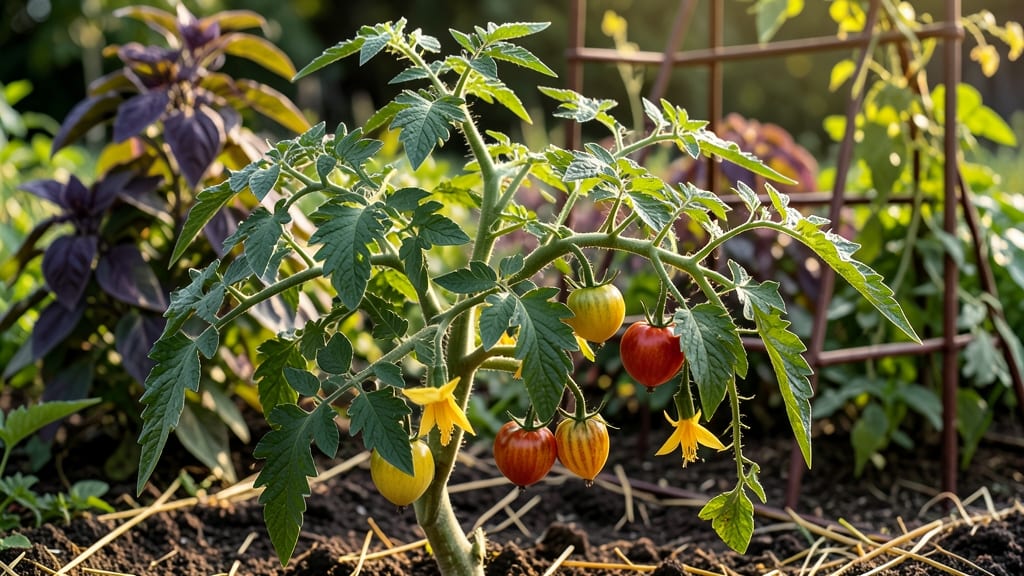
Growing the Tomato Pineapple heirloom means turning your garden into a tropical paradise with fruit that looks like it belongs in a fruit bowl. 🌺 These tomatoes aren’t just pretty—they’re sweet, juicy, and packed with a pineapple-like tang that’ll make your summer salads unforgettable.
If you’ve ever wanted a tomato that tastes like dessert, this is your plant.
The secret to their success starts with warm soil and plenty of sunlight—think full sun (6-8 hours daily) and temperatures above 70°F. They thrive in rich, well-draining soil, so mix in compost before planting.
These tomatoes need space too—give them 18-24 inches apart so their vines can sprawl without crowding. The payoff? A harvest of golden-yellow, pineapple-shaped tomatoes that’ll have your neighbors asking for cuttings.
Watering is key: keep the soil consistently moist but not soggy—these tropical lovers hate dry spells. A mulch layer helps retain moisture and keeps roots cool. Prune regularly to encourage airflow, and watch for pests like hornworms (they adore these tomatoes too).
With the right care, you’ll be slicing sweet, juicy fruit straight from the vine by mid-summer.
Perfect for warm climates (Zones 8-10), but even cooler areas can grow them in containers with extra warmth. The flavor? A perfect blend of tomato and pineapple, making them ideal for fresh eating, salsas, or even grilling.
Start seeds indoors 6-8 weeks before last frost—your taste buds will thank you.
📚 In This Guide
- What you need
- Instructions
- Tips and common mistakes
- Wrapping up and next steps
What you need
- ● Tomato Pineapple Heirloom Seeds: 5–10 seeds (or 1–2 starter plants if available). Choose Solanum lycopersicum ‘Tomato Pineapple’ or a similar heirloom variety.
- ● Growing Containers or Garden Bed: Containers: 5-gallon pots (minimum) with drainage holes—2–3 plants per container.
- ● Garden Bed: Well-draining soil in a sunny spot (6+ hours of light daily).
- ● High-Quality Potting Mix: 1–2 bags (sterile, organic blend with perlite or vermiculite for aeration).
- ● Balanced Fertilizer: 10-10-10 or 5-5-5 (organic options like compost or worm castings work too!).
- ● Stakes or Cages: 3–4 ft tall (for support as vines grow).
- ● Hand trowel or small shovel
- ● Watering can or hose with gentle spray nozzle
- ● Pruning shears (for trimming suckers and dead leaves)
- ○ Optional: pH testing kit (ideal soil pH: 6.0–6.8)
- ○ Optional: Row covers (for early-season frost protection)
- ● Warm season (last frost has passed—after May 15 in most zones)
- ● Consistent watering (1–2 inches per week; avoid wetting leaves)
- ● Patience! Harvest time: 70–90 days after transplanting.
Step-by-step instructions for growing tomato pineapple heirloom tomatoes
Here's how to grow these sweet, pineapple-flavored tomatoes that taste like a summer vacation.
🌱 Step 1: Start Seeds Indoors 6-8 Weeks Before Last Frost
Fill 2-3 inch deep seedling trays with sterile seed-starting mix, keeping it moist but not soggy. Press the soil surface lightly to create a firm planting bed. The key here is warmth—place trays on a seedling heat mat set to 75-85°F for optimal germination.
Sow seeds ¼ inch deep, spacing them ½ inch apart in rows. Cover lightly with additional mix and mist gently with water until the surface looks evenly damp. Keep the trays covered with a humidity dome or plastic wrap until germination, which typically occurs in 7-14 days.
Real talk: If your seeds don't sprout within two weeks, don't give up. Some heirloom varieties can take longer, especially if your home runs cooler. Check daily for moisture—condensation on the dome means you're good; dry spots mean it's time to mist again.
☀️ Step 2: Provide Bright Light and Prevent Leggy Growth
The instant those first true leaves appear (they'll look like tiny oak leaves), remove the humidity dome and move seedlings to a south-facing window or under grow lights. Tomato Pineapple varieties need 14-16 hours of light daily—without it, seedlings stretch toward the light and become weak.
Position grow lights 2-4 inches above the plants and raise them gradually as seedlings grow. You'll know your light setup is working when seedlings have thick stems, dark green leaves, and compact spacing between leaves. If they're pale and leggy, your light is too far away.
I always rotate trays a quarter turn daily so plants grow straight instead of leaning. This ensures even light exposure and prevents them from growing toward one side. The goal is sturdy, stocky plants ready for transplanting.
🌿 Step 3: Harden Off and Transplant After All Frost Risk Passes
Two weeks before your last frost date, begin hardening off seedlings by placing them outside in a sheltered spot for 1-2 hours the first day. Gradually increase their outdoor time by 1 hour daily until they can tolerate a full day outside. This process teaches them to adapt to wind, sun, and temperature fluctuations.
Choose a sunny garden spot with 6-8 hours of direct sunlight and well-draining soil. Tomato Pineapple varieties thrive in soil with a pH between 6.0-6.8. Dig holes twice as wide as the root ball but no deeper, then place each seedling in and backfill with soil.
Water deeply after transplanting to settle the soil and remove the humidity dome. Mulch around plants with 2-3 inches of organic mulch to retain moisture and suppress weeds. Here's the thing—these tomatoes love heat, so if your spring is cool, consider using black plastic mulch to warm the soil faster.
💧 Step 4: Support, Prune, and Water for Maximum Fruit Production
Install 6-foot tall stakes or cages immediately after transplanting. Tomato Pineapple varieties can get heavy with fruit, and proper support prevents sprawling. Prune suckers (the small shoots that grow between the main stem and branches) regularly to direct energy into fruit production rather than foliage.
Water deeply 1-2 times per week, aiming for 1-2 inches of water per week. Keep the soil consistently moist but never waterlogged—these tomatoes are drought-tolerant once established, but consistent moisture produces the sweetest fruit. Water at the base of the plant in the morning to reduce evaporation and fungal diseases.
Fertilize every 3-4 weeks with a balanced, organic fertilizer to encourage robust growth. You'll see the first flowers appear in 6-8 weeks after transplanting. Pinch off the first few flowers to encourage stronger vine growth—this ensures bigger, more flavorful fruit later in the season.
✂️ Step 4: Harvest and Enjoy Your Tropical-Tasting Tomatoes
Tomato Pineapple tomatoes are ready to harvest when they turn a vibrant yellow and feel slightly soft to the touch. Use pruning shears to cut the fruit from the vine, leaving a small stem attached. Harvest regularly to encourage continuous production—ripe tomatoes left on the vine can cause the plant to slow down.
Store harvested tomatoes at room temperature until fully ripe. Once ripe, they'll taste like a cross between a pineapple and a tomato—sweet, tangy, and just a little tropical. You can eat them fresh, slice them into salads, or even make a unique pineapple-tomato jam.
Don't skip this: If a frost threatens before all fruit is harvested, pick green tomatoes and ripen them indoors. Place them in a paper bag with a banana or apple to speed up the ripening process with natural ethylene gas. Within a week, you'll have perfectly ripe tomatoes ready to enjoy.
Tips & tricks for growing perfect tomato pineapple heirloom tomatoes
These practical insights will help you cultivate the most flavorful tropical-tasting tomatoes your garden has ever seen.
Germination Conditions: The 75-85°F heat mat temperature is non-negotiable for these heirloom seeds. If your home stays cooler than 70°F, consider using a seedling heat mat with a built-in thermostat or place trays on top of your refrigerator (which stays warm). I've seen germination rates drop dramatically when seeds stay below 70°F—don't let this happen to you. The ¼ inch deep planting depth is perfect for these delicate seeds, but if your soil mix is particularly dense, you can plant them slightly shallower (⅛ inch) for faster emergence.
Lighting Strategy: Those 14-16 hours of daily light are crucial for preventing leggy seedlings. If you're using grow lights, invest in full-spectrum LED bulbs—they're more efficient and mimic natural sunlight better than standard bulbs. I've found that positioning lights 3 inches above seedlings works best during the first week, then gradually raise them to 4 inches as plants grow. Watch for that telltale sign of proper lighting: leaves that are dark green and compact rather than pale and stretched.
Transplanting Preparation: Two weeks before transplanting, begin the hardening-off process by placing seedlings in a sheltered spot where they'll receive 1-2 hours of morning sun on the first day. This gradual exposure helps prevent transplant shock. I always check soil temperature before transplanting—it should be at least 60°F at a depth of 4 inches. If your spring is particularly cool, consider using black plastic mulch to warm the soil faster, as these tropical-tasting tomatoes thrive in heat.
Fruit Production Secrets: The 6-8 hours of direct sunlight requirement is minimum—more is better for these sun-loving plants. Once established, they can handle 1-2 inches of water per week, but I've found that morning watering (before 10 AM) produces the sweetest fruit. When pruning suckers, aim to remove any shoots growing below the first flower cluster—this directs energy to fruit production rather than foliage. And here's a pro move: pinch off the first few flowers that appear to encourage stronger vine growth before the main harvest season.
Pro Tips for Tomato Pineapple Heirloom
- These practical insights will help you cultivate the most flavorful tropical-tasting tomatoes your garden has ever seen.
- Germination Conditions: The 75-85°F heat mat temperature is non-negotiable for these heirloom seeds. If your home sta...
- Lighting Strategy: Those 14-16 hours of daily light are crucial for preventing leggy seedlings. If you're using grow ...
Frequently asked questions
Got questions about growing tomato pineapple heirloom varieties? You’re not alone! Here are some of the most common queries—and their answers—to help you cultivate these sweet, tropical-tasting tomatoes like a pro.
What’s the best time to plant tomato pineapple heirloom seeds?
Start seeds indoors 6–8 weeks before your last frost date (typically March–April in most climates). Transplant seedlings outdoors after soil temps hit 55°F (13°C) and nighttime temps stay above 50°F (10°C). For warmer zones, direct-sow seeds in early spring once frost risk has passed.
How do I tell if my tomato pineapple heirloom is ripe?
Unlike typical red tomatoes, these heirlooms ripen to a golden-yellow or orange hue with a slightly waxy, pineapple-like sheen. They’ll also smell sweet and yield gently when squeezed. Never pick them green! Unripe fruit lacks the signature tropical flavor and sugar content.
Why are my tomato pineapple heirlooms cracking?
Cracking usually happens due to inconsistent watering or rapid growth from uneven moisture. Keep soil evenly moist (not soggy) and mulch to stabilize temps. If cracks appear, harvest immediately—the fruit is still safe to eat! For extra insurance, prune lower leaves to improve airflow and reduce stress.
Can I grow tomato pineapple heirlooms in containers?
These vining tomatoes thrive in 5-gallon+ containers with well-draining soil and stakes/cages for support. Use a balanced fertilizer (like 10-10-10) every 3–4 weeks and ensure pots get 6+ hours of sunlight daily. Just avoid overcrowding—space plants 18–24 inches apart.
What’s a good alternative if I can’t find tomato pineapple heirloom seeds?
Try these sweet, tropical-tasting tomato varieties instead:
- ‘Solar Fire’ – Golden, pineapple-flavored slices
- ‘Golden Girl’ – Juicy, honey-sweet heirloom
- ‘Tropic’ – Hybrid with mango-tomato hybrid vibes
- ‘Orange Banana’ – Fruity, low-acid slices
Wrapping up and next steps
Growing your own Tomato Pineapple Heirloom is a rewarding adventure that brings a taste of the tropics to your garden! These unique tomatoes deliver sweet, pineapple-like slices perfect for fresh eating, salads, or even salsas.
With the right care—sunlight, soil, and patience—you’ll harvest a crop that’s as fun to grow as it is delicious.
Ready to dive in? Start by gathering your supplies, then plant those seeds or seedlings and watch your garden transform. Happy growing—your future tropical treats are waiting! 🌱🍍