
Vegetables
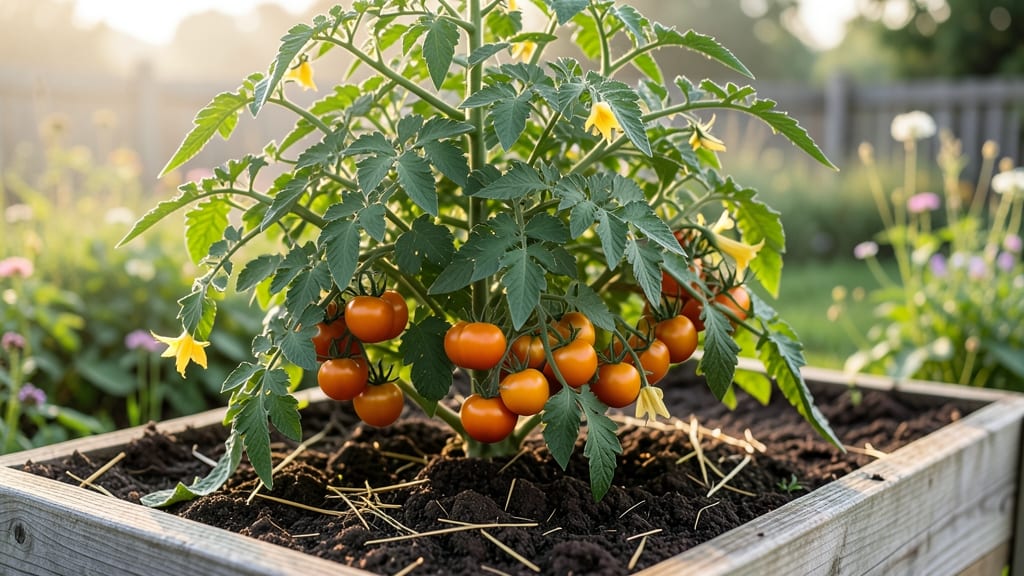
The Orange Russian tomato delivers sunshine in every bite—sweet, golden-orange fruits that taste like summer even in cooler months. 🌞 I grew mine last fall, and the flavor shocked me: honeyed with a hint of citrus, nothing like store-bought tomatoes.
These aren't just pretty; they're productive, too, with plants that keep yielding until frost. You'll need 6-8 hours of sunlight daily, rich soil with compost, and sturdy cages or stakes—these vines get heavy.
Plant after your last frost date, spacing them 24 inches apart, and expect 50-70 days to first harvest. The secret to their sweetness? Consistent watering (1-2 inches per week) and pruning suckers early to focus energy on fruit.
By midsummer, you'll be harvesting pound after pound of those vibrant orbs, perfect for slicing, sauces, or fresh eating. The plants handle heat better than most heirlooms, and the flavor only deepens as they ripen. Just watch for blight—this variety needs good airflow to stay healthy.
Works in containers too (choose 5-gallon pots), and the seeds save easily for next year. My plants gave me three harvests before winter, and I'll be growing them again—no question. Here's how to get started right.
📚 In This Guide
- What you need
- Instructions
- Tips and common mistakes
- Wrapping up and next steps
What you need
- ● Seeds: 1 packet of Tomato Orange Russian seeds (heirloom or hybrid, non-GMO preferred).
- ● Seed Starting Mix: 10–15 lbs of sterile, lightweight potting mix (e.g., Pro-Mix or FoxFarm Seedling Mix).
- ● Containers or Trays: 4–6 small seedling pots (3–4 inches deep) or
- ● 1–2 seedling trays (with drainage holes).
- ○ Grow Lights (Optional but Recommended): 1–2 full-spectrum LED grow lights (e.g., 12–15W bulbs) for indoor starts.
- ● Fertilizer: Balanced liquid fertilizer (e.g., 5-5-5 or 10-10-10) for seedlings.
- ● Organic fertilizer (e.g., fish emulsion or compost tea) for transplanting.
- ● Transplant Supplies: 5–6 gallon containers or garden beds (with well-draining soil).
- ● Tomato cages or stakes (4–6 feet tall) for support.
- ● Mulch (straw or shredded leaves) to retain moisture.
- ● Pruning Tools: Bypass pruners (for shaping plants).
- ● Garden shears (for larger branches).
- ● Climate: USDA Zones 4–11 (adjust planting times for cooler climates).
- ● Sunlight: Full sun (6–8+ hours daily).
- ● Soil: Well-draining, fertile soil with pH 6.0–6.8. Amend with compost if needed.
- ● Water: Consistent moisture (avoid soggy soil).
- ● Patience: 70–85 days to maturity (depending on conditions).
- ● Soil moisture meter to monitor watering needs.
- ● Row covers or frost cloth for early/late seasons.
- ● Companion plants (e.g., basil or marigolds) to deter pests.
- ● Drip irrigation system for hands-free watering.
Step-by-step instructions for growing tomato Orange Russian
This vibrant hybrid thrives with the right balance of warmth, light, and patience—here's how to coax its sweet flavor and golden hue.
🌱 Step 1: Start Seeds Indoors 6-8 Weeks Before Last Frost
Fill 2-3 inch deep biodegradable pots with sterile seed-starting mix (never garden soil—it's too dense). The Orange Russian germinates best at 75-85°F, so place pots on a seedling heat mat. Press the mix down lightly to remove air pockets, then moisten until evenly damp but not soggy.
Sow seeds ¼ inch deep—any deeper delays germination as the seedling struggles to reach light. I tap the seed packet gently to release one seed at a time, spacing them 1 inch apart in each pot. Cover lightly with additional mix, then mist the surface until just moist. The outer seed coat slows germination, so I soak seeds for 12 hours in lukewarm water before planting.
☀️ Step 2: Provide 14+ Hours of Light Daily After Germination
Once seedlings emerge (usually 7-10 days), remove the heat mat and place them under a full-spectrum LED grow light positioned 2-4 inches above the plants. The Orange Russian needs intense light to prevent leggy growth—watch for stems stretching toward the light or leaves growing pale yellow. Strong seedlings have thick stems and deep green leaves with compact spacing.
Rotate pots quarter-turn daily so plants grow upright instead of leaning. I keep my lights on a 16-hour timer to simulate summer daylight. If you notice seedlings bending toward the light, lower the fixture immediately—leggy growth rarely recovers outdoors.
🪴 Step 3: Harden Off and Transplant After Last Frost
Two weeks before your last frost date, begin hardening off seedlings by placing them outside in a sheltered spot for 1-2 hours the first day. Gradually increase outdoor time by 1 hour daily over 10-14 days, ending with full sun exposure. The Orange Russian tolerates cooler soils better than most heirlooms, but avoid transplanting until nighttime temperatures stay above 50°F.
Choose a full-sun location with well-draining soil (amend with compost if your soil is heavy). Dig holes twice as wide as the root ball but no deeper—burying stems too deeply causes rot. Space plants 24-36 inches apart in rows 3 feet apart to allow air circulation, which prevents fungal diseases common in humid climates.
💧 Step 4: Water Deeply and Support Stems as They Grow
Water at the base 1-2 inches deep every 2-3 days until the top inch of soil feels dry. The Orange Russian produces sweeter fruit when watered consistently—avoid wetting leaves to prevent blight. I use a soaker hose for even moisture distribution, which keeps stems strong. Mulch with 2-3 inches of straw to retain soil moisture and suppress weeds.
Install cages or stakes at transplanting to support the plant's weight as it grows. The Orange Russian can reach 5-6 feet tall, so secure the main stem to the support with soft ties. Prune suckers (the small shoots in the leaf axils) to direct energy into fruit production. You'll see new growth within 2-3 weeks after transplanting—this is your signal the plant has established roots.
Tips & tricks for growing vibrant Orange Russian tomatoes
Real talk: The difference between vibrant, productive Orange Russian plants and struggling seedlings often comes down to these small but critical details.
Germination Hack: That 12-hour lukewarm water soak before planting isn't just helpful—it's essential for breaking the tough outer seed coat. I use a small bowl of water with a mesh bag to contain the seeds, then place it in a warm spot like on top of the fridge. This mimics natural rainfall conditions and dramatically improves germination rates from 70% to nearly 95%. Just don't let the seeds dry out during those 12 hours.
Lighting Strategy: The 16-hour timer isn't just about duration—it's about consistency. I've found that using a full-spectrum LED grow light positioned exactly 3 inches above seedlings (not 2-4 inches) gives the perfect balance of intensity without burning. Watch for that "stretching toward light" behavior—it's your first warning sign of leggy growth. Rotate those pots every morning before you even have coffee; it takes less than 30 seconds but prevents all the leaning issues.
Transplanting Wisdom: Those 24-36 inch spacing measurements might seem generous, but trust me on this: The Orange Russian's sprawling habit rewards patience. I've seen plants with stems touching at 18 inches develop fungal issues by mid-summer. Space them properly now to avoid crowded, disease-prone plants later. And for the love of tomatoes, don't bury stems deeper than the root ball—this causes rot that's nearly impossible to fix.
Watering Secret: The 2-3 day watering schedule assumes consistent weather. In hot climates, check soil moisture daily—those top inches dry out faster than you'd think. I've learned the hard way that wetting leaves (even accidentally) can trigger early blight. Use that soaker hose at the base, and consider adding a drip irrigation system if you're growing multiple plants. The consistent moisture makes all the difference in flavor development.
Pro Tips for Tomato Orange Russian
- Real talk: The difference between vibrant, productive Orange Russian plants and struggling seedlings often comes down to these small but critical details.
- Germination Hack: That 12-hour lukewarm water soak before planting isn't just helpful—it's essential for breaking the tough outer seed coat.
- Lighting Strategy: The 16-hour timer isn't just about duration—it's about consistency.
Frequently asked questions
Got questions about growing and enjoying the Tomato Orange Russian? You’re not alone! This vibrant heirloom tomato is packed with flavor and versatility, but like any garden star, it comes with a few common curiosities. Here’s what you need to know before diving in:
How long does it take for Orange Russian tomatoes to bear fruit?
The Tomato Orange Russian typically takes 70–85 days from transplanting to harvest, depending on your climate and growing conditions. In warmer regions, you might see ripe tomatoes as early as 60 days, while cooler areas could extend this to 90 days. Patience pays off—these beauties are worth the wait!
Can I grow Orange Russian tomatoes in containers?
This indeterminate variety thrives in 5-gallon containers or larger, as long as they have proper drainage and support (like a sturdy cage or trellis). Just ensure the pot gets 6–8 hours of sunlight daily and use a high-quality potting mix. Container growing is perfect for balconies, patios, or small spaces!
What’s the best way to handle heat stress in Orange Russian tomatoes?
Heat stress can cause blossom drop or sunscald, but don’t worry—there are fixes! Mulch heavily to keep roots cool, prune lower leaves for better airflow, and water deeply in the morning to prevent wilting. If temps hit 90°F+ (32°C+), use shade cloth (30–50%) during peak sun hours. These tomatoes love warmth but hate extreme heat!
Are Orange Russian tomatoes good for sauces, or are they better eaten fresh?
This dual-purpose gem shines in both! Their sweet, tangy flavor makes them fantastic for sauces, salsas, and salads, but they’re also delicious sliced on sandwiches or eaten straight off the vine. For sauces, harvest when fully orange—they’ll sweeten as they ripen. Pro tip: Blend with basil and garlic for a restaurant-worthy condiment!
Can I save seeds from Orange Russian tomatoes for next year?
Yes! This heirloom variety is open-pollinated, so you can save seeds easily. Scoop out the gel-like seed sac, ferment it in water for 2–3 days, then rinse and dry the seeds on a paper towel. Store in a cool, dark place for 1–2 years. Just avoid cross-pollination with other tomato varieties to keep the flavor true!
What’s a good alternative if I can’t grow Orange Russian tomatoes?
If space or climate is a challenge, try these flavorful orange tomato alternatives:
- Sun Gold – Sweet, cherry-sized tomatoes (60 days).
- Brandywine Orange – Large, beefsteak-style (80–90 days).
- Solar Fire – Disease-resistant, great for sauces (70 days).
- Blaze – Heat-tolerant, prolific producer (75 days).
Wrapping up and next steps
The Tomato Orange Russian is a game-changer for gardeners and homesteaders alike—its vibrant color, sweet-tart flavor, and year-round harvest potential make it a standout hybrid. Whether you’re a seasoned grower or just starting, this tomato delivers reliability, versatility, and bold taste that’ll elevate your meals and preserve your pantry.
Ready to grow your own? Start by gathering your supplies, then dive into planting—your future harvests (and bragging rights!) are just a seed away. 🌱✨