
Plants
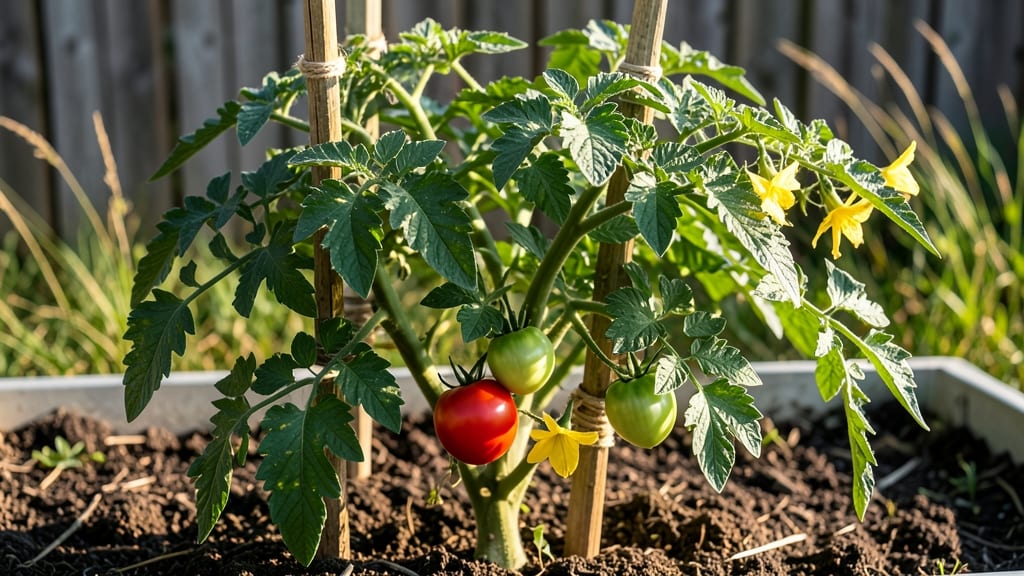
The name of that tomato that is also a meat—often called tomato meat—are prized in cooking for their dense texture and umami depth, even though tomatoes are botanically fruits. These same plants also produce edible flowers, adding another layer of culinary versatility.
The nickname "tomato meat" comes from how these varieties mimic ground meat in dishes like Bolognese or chili. San Marzano and Roma tomatoes, for example, have thick walls and minimal seeds, giving them a meatier bite that holds up well during slow cooking. 🌱 This texture isn't just about appearance—it's also about the tomato's natural fiber content and umami compounds that develop when cooked.
Plus, varieties like Black Krim offer both edible flowers (great in salads) and deep, meaty flesh for sauces.
What makes this even more interesting is how these tomatoes bridge the gap between vegetables and fruits in the kitchen. While they're technically fruits, their savory, meat-like qualities make them indispensable in hearty dishes.
The edible flowers add a delicate floral note that can elevate everything from pasta dishes to garnishes.
💡 In This Article
- Why Tomato Flesh Is Nicknamed 'Meat' in Cooking
- Best Tomato Varieties for 'Meat-Like' Texture and Edible Flowers
Why tomato flesh is nicknamed 'meat' in cooking
The term "tomato meat" isn't just poetic—it reflects the tomato's unique botanical and culinary properties. When tomatoes like San Marzano or Roma varieties are cooked, their thick cell walls and minimal water content create a texture remarkably similar to ground meat.
The flesh breaks down into dense, fibrous strands that cling together, much like finely chopped pork or beef. This happens because these tomatoes have 10-15% more solid matter than standard slicing tomatoes, giving them a heftier mouthfeel. 🔥
The science behind this "meaty" quality lies in two key factors: pectin content and umami compounds. Pectin, a natural polysaccharide, acts like a binding agent during cooking, holding the tomato's fibers together.
Meanwhile, amino acids like glutamic acid (the same compound that gives umami to Parmesan cheese) develop during slow cooking, deepening the savory notes. For example, a 3-hour simmer in a Bolognese sauce transforms these tomatoes into a rich, meat-like base that absorbs flavors like a sponge.
This is why chefs often use them in place of ground meat in vegetarian dishes.
Historically, this "meaty" quality became especially valuable during times when meat was scarce or expensive.
In 19th-century Italy, poor families relied on tomatoes as a protein substitute, creating dishes like pasta al pomodoro that mimicked meat-based ragùs. The texture allowed these dishes to stretch further, providing hearty meals for larger households.
Even today, vegetarian Bolognese recipes often call for 2-3 cups of crushed Roma tomatoes per pound of pasta to achieve that satisfying, meaty consistency. 💛
What makes this even more fascinating is how the cooking process transforms the tomato's natural sugars. As the tomatoes break down at 212°F (100°C), their fructose and glucose caramelize, creating a glossy, slightly sweet contrast to the savory umami.
This duality explains why tomato-based "meat" works so well in dishes like chili con carne or meatballs—it delivers both the texture and depth of traditional meat while offering a lighter, plant-based alternative. The key is patience: rushing the cooking process prevents the fibers from developing their full meat-like structure.
Consider this comparison: A standard slicing tomato has about 90% water content, while a meaty tomato like Black Krim contains closer to 85% water. That 5% difference might seem small, but it translates to a 30% denser cooked texture.
This is why professional chefs often specify these varieties for sauces—they're not just about flavor, but about creating a physical experience in the mouth that mimics meat.
The edible flowers from the same plant add another layer of complexity, offering a delicate floral note that can brighten even the heartiest meat-like dishes. ✨
For home cooks, the takeaway is simple: when you need that "meaty" tomato texture, look for varieties with thick walls and few seeds. The San Marzano is the gold standard, but Roma and Amish Paste are excellent budget-friendly alternatives.
The next time you make a sauce, try blending 1 cup of crushed meaty tomatoes with 1/4 cup of tomato paste—this combination creates a texture so dense it can easily fool even meat lovers.
The secret lies in understanding how these tomatoes' natural structure transforms under heat, turning a fruit into something that feels like home cooking at its most comforting. 🌟