
How To
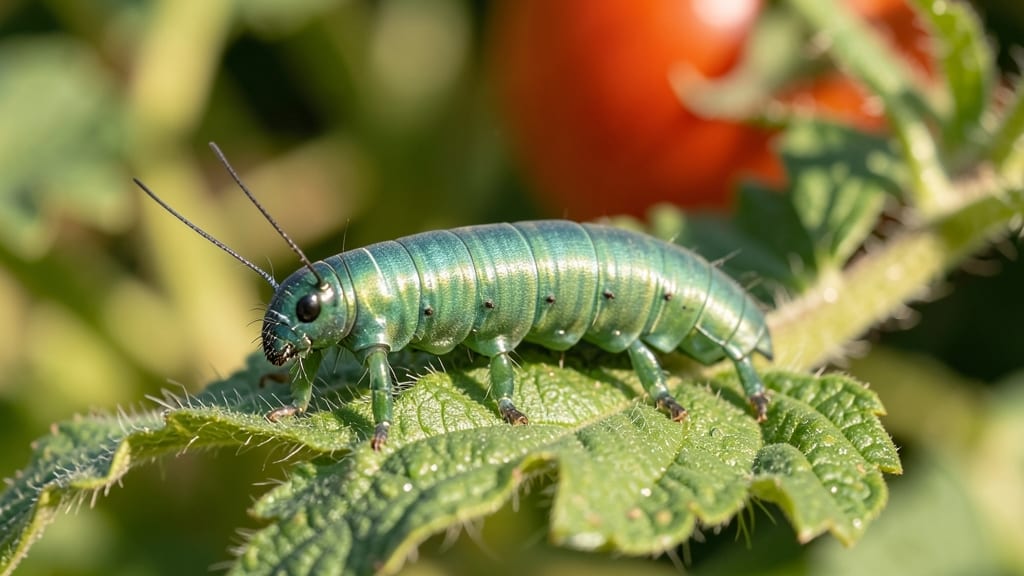
That striped caterpillar of the hummingbird moth—the tomato hornworm—can wipe out a tomato plant in days. 🌱 I’ve lost entire vines to them—until I learned these foolproof tricks that actually work without chemicals. The key?
Spotting them early and hitting them with a mix of hands-on control and smart garden habits. Most gardeners panic when they see these caterpillars, but they’re actually the hummingbird moth’s larval stage—they’ll turn into beautiful pollinators.
The damage happens fast, though: a single hornworm can devour a foot of tomato leaves in one night. My breakthrough came when I combined handpicking with a few simple organic barriers. By morning, you’ll see fewer holes in your leaves and more flowers setting fruit.
The best part? These methods protect all your plants, not just tomatoes. Even my basil and peppers stayed safe once I got the system down. This works for any garden size, from containers to full beds. Let’s stop those caterpillars before they stop your harvest.
Why it happens
If your tomato plants are suddenly sporting large, green, ravenous caterpillars overnight, you’re not imagining things—this is a classic case of nature’s perfect storm of biology, ecology, and human gardening habits.
The tomato hornworm (a caterpillar of the hummingbird moth) doesn’t just appear out of nowhere; its presence is a direct result of specific triggers. Let’s break down the science behind why these leaf-munching machines show up in your garden like uninvited guests at a buffet. 🍅🐛
🌱 Your Garden is a Five-Star Caterpillar Hotel
The tomato hornworm is highly selective—it’s not just any plant it’s after, but your favorite ones. Tomatoes, peppers, eggplants, and even potatoes are all on the menu because these plants contain alkaloids like solanine, which deter most pests.
But not the hornworm. Its body has evolved to store and metabolize these toxins, making it nearly immune to the chemicals that would repel other insects. 🛡️
Here’s the kicker: healthy, thriving tomato plants are like neon signs for these caterpillars. A lush, well-fertilized garden with abundant foliage provides the perfect breeding ground. If your plants are too happy, they’re essentially advertising: “Eat me—I’m delicious!”
Actionable fix:
- ✅ Prune aggressively—remove damaged or overgrown leaves to reduce hiding spots.
- ✅ Avoid over-fertilizing with nitrogen-heavy feeds, which encourage soft, tender growth (hornworm candy!).
- ✅ Interplant with trap crops like basil or marigolds to distract them from your tomatoes.
🐝 The Moth’s Masterful Reproduction Strategy
The tomato hornworm isn’t born in your garden—it’s laid there by the hummingbird moth, a master of stealth. Female moths are drawn to gardens with ripe, flowering tomato plants because the scent signals maturity and abundance.
A single female can lay up to 2,000 eggs in her lifetime, and she’s picky—she’ll only deposit them on the undersides of leaves, where they’re hidden from predators and weather.
Here’s the timeline of doom:
- Day 1-3: Eggs hatch into tiny caterpillars (they’re tiny—easily missed!).
- Day 4-10: They start skeletonizing leaves (eating only the soft tissue, leaving the veins).
- Day 11-14: They become full-sized hornworms (3-4 inches long) and go on a leaf-devouring rampage.
- Day 15-21: They pupate in the soil and emerge as moths to repeat the cycle.
Actionable fix:
- 🔍 Scout early—check the undersides of leaves at dawn for eggs (tiny, yellow, and oval).
- 🌙 Use a blacklight at night to spot adult moths (they’re attracted to UV light).
- 🧹 Remove flowering plants if you’re not ready for an infestation—moths are less likely to lay eggs on non-flowering tomatoes.
🌡️ Weather and Timing: The Perfect Storm
Tomato hornworms are warm-weather creatures. They thrive in temperatures above 70°F (21°C) and humid conditions, which is why they’re most active during late spring to early fall in most growing zones.
If your area has had a mild winter followed by a hot, wet spring, you’re basically rolling out the red carpet for these caterpillars.
Additionally, early planting of tomatoes can lead to earlier infestations. Since moths emerge in late spring, planting tomatoes too soon means your plants will be ripe for egg-laying by the time the moths arrive. 🌱🐛
Actionable fix:
- 📅 Time your planting—wait until after the last frost but before peak moth season (check local pest calendars).
- 🌧️ Monitor weather patterns—if your area has had unusually warm rains, brace for an influx of eggs.
- 🌡️ Use row covers early in the season to block moths from laying eggs.
🚫 Human Habits That Invite Them In
Let’s be real—some of the blame lies with us. Common gardening practices can accidentally create the perfect conditions for a hornworm takeover:
- Overwatering leads to soft, tender leaves—hornworm heaven.
- Ignoring beneficial predators (like parasitic wasps or braconid flies) means no natural checks on their population.
- Using broad-spectrum pesticides kills off ladybugs, lacewings, and other natural enemies of the hornworm.
- Composting garden waste near tomato plants can harbor pupating hornworms that re-emerge as moths.
Actionable fix:
- 💦 Water at the base (not overhead) to avoid creating a humid leaf environment.
- 🐝 Encourage predators—plant dill, fennel, or parsley to attract parasitic wasps.
- 🧪 Avoid chemical sprays—opt for neem oil or Bacillus thuringiensis (Bt) instead.
- 🗑️ Move compost piles at least 20 feet away from tomato plants.
How to Fix Garden Invaders Naturally
Dealing with ravenous caterpillars like the tomato hornworm (the caterpillar stage of the hummingbird moth) can feel like a losing battle—but it doesn’t have to be! These striped munchers may look harmless, but they can strip your tomato plants bare in days.
The good news? You can tackle them without toxic chemicals, using simple, effective methods. Below, we’ll break down solutions by cause, so you can target the problem at its root.
Prevention is your first line of defense. A few proactive steps can keep these caterpillars from ever becoming a problem.
🌱 Plant Smart, Repel Naturally
- Interplant with repellent herbs: Basil, dill, and marigolds are caterpillar deterrents.
Their strong scents confuse and repel moths from laying eggs. - Use row covers early: Lightweight fabric barriers (like floating row covers) block moths from accessing your plants while still allowing sunlight and water through. - Choose resistant varieties: Some tomato plants, like ‘Defiant PhR’ or ‘Mountain Merit’, are bred to resist pests naturally.
🕵️♂️ Monitor & Act Early
- Inspect leaves daily: Check the undersides of leaves for tiny eggs (white, oval, and laid in clusters).
Remove them with a damp cloth or soapy water. - Set up traps: Pheromone traps for hummingbird moths can reduce egg-laying by up to 90% in some cases.
If prevention fails, handpicking is the most immediate solution—especially for large caterpillars.
👨🍳 How to Remove Them Safely
- Go early in the morning: Caterpillars are sluggish when cool, making them easier to spot and grab.
- Use gloves or a towel: Wrap them up and drop them in soapy water (this kills them instantly).
- Check thoroughly: Look for black droppings (frass) on leaves—this is a dead giveaway for their presence.
⏰ Best Time to Strike
- Before they pupate: If you see a caterpillar 5+ inches long, it’s nearing the pupation stage. Remove it now before it turns into a moth and lays hundreds of eggs.
Instead of chemicals, harness beneficial predators that naturally keep caterpillar populations in check.
🐞 Introduce Predatory Insects
- Parasitic wasps (Braconid wasps): These tiny wasps lay eggs inside tomato hornworms. The larvae then consume the caterpillar from within. No harm to your plants!
- Ladybugs & lacewings: Release these in your garden—they devour caterpillar eggs and young larvae.
🐸 Encourage Frogs & Birds
- Install a small pond: Frogs love munching on caterpillars, and they’ll stick around if they have water.
- Add birdhouses: Attract chickadees, wrens, and bluebirds—they adore snacking on hornworms.
If caterpillars are still winning, natural sprays can give you the edge without harming pollinators.
💡 DIY Spray Recipes
| Spray | How to Make It | How Often to Apply |
|---|---|---|
| Neem Oil Spray | 1 tbsp neem oil + 1 tsp mild soap + 1 quart water | Every 5–7 days |
| Spinosad Spray | 1.5 tsp fermentation-based spinosad + 1 quart water | Every 3–5 days |
| Garlic & Chili Pepper Spray | Blend 1 garlic bulb + 1 tbsp cayenne + 1 quart water, strain | Every 4–5 days |
⚠️ Pro Tip: Spray early in the morning or late evening to avoid harming bees and other beneficial insects.
The key to permanent control is creating an ecosystem where caterpillars can’t thrive.
🌿 Create Biodiversity
- Plant a pollinator garden: Flowers like coneflowers, milkweed, and sunflowers attract predators that hunt hornworms.
- Avoid monocrops: Planting only tomatoes makes them a buffet. Mix in peppers, beans, and herbs to disrupt their feeding patterns.
🌡️ Maintain Garden Health
- Water deeply but less often: Healthy plants are less attractive to pests.
- Remove fallen leaves/debris: Caterpillars hide in leaf litter—keep your garden tidy.
Final Thought: With a mix of prevention, manual removal, and natural predators, you can eliminate tomato hornworms without resorting to harsh chemicals. Start with one or two methods, monitor progress, and adjust as needed. Your tomato plants—and your sanity—will thank you! 🍅✨
Frequently asked questions
Are tomato hornworms actually hummingbird moth caterpillars?
Yes! The tomato hornworm is the larval stage of the hummingbird moth (not a hummingbird, despite the name). These striped caterpillars will eventually transform into beautiful, iridescent moths that pollinate flowers at night. The damage happens before they become moths—so don't wait to act!
How do I tell if my plants have tomato hornworms?
Look for large green caterpillars (3-4 inches long) with white diagonal stripes and tiny black "horns" at the rear. Check for black droppings (frass) on leaves and chewed leaves with only veins remaining. Early signs include tiny white eggs on leaf undersides.
Can I save my tomato plants if they're already heavily damaged?
Yes! Remove all visible caterpillars immediately and prune damaged leaves to help the plant recover. Focus on protecting new growth by using row covers or neem oil sprays. The plant can still produce fruit, though yield may be reduced if damage occurred early in the season.
Are there any tomato varieties that resist hornworms?
Some varieties like 'Defiant PhR' and 'Mountain Merit' show better resistance, but no variety is completely immune. The best defense is still early monitoring and integrated pest management (combining handpicking, beneficial insects, and organic sprays).
What's the most effective way to get rid of them without chemicals?
Handpicking in the morning is the fastest method—drop them in soapy water. For long-term control, introduce parasitic wasps (they lay eggs inside hornworms) and plant dill or fennel to attract them. Combine this with neem oil sprays for best results.