
Vegetables
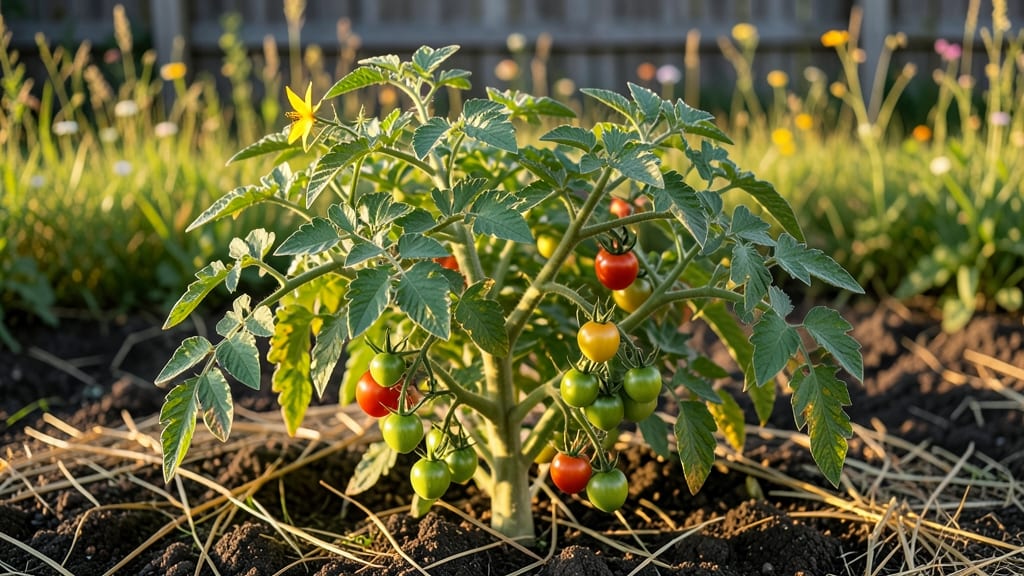
The tomato genus and species primarily include Solanum lycopersicum, with key classifications like wild species (Solanum pimpinellifolium), heirloom varieties (Solanum lycopersicum var. cerasiforme), and modern hybrids. These variations directly influence disease resistance, flavor profiles, and ideal growing conditions for home gardeners.
Understanding these classifications helps gardeners make smarter choices about which tomatoes to grow.
For example, wild varieties like Solanum pimpinellifolium often thrive in harsher conditions and offer natural resistance to pests, while heirloom types deliver complex flavors but may require more care. 🌱 Modern hybrids, bred for consistency, are perfect for commercial growers but might lack the unique taste of heirlooms.
The right species can transform your harvest—whether you're after sweet cherry tomatoes or robust slicing varieties.
These botanical distinctions also affect how you handle your crop. Wild species, for instance, typically produce smaller fruits but pack more concentrated flavors, making them ideal for sauces or specialty dishes. Meanwhile, hybrid varieties often yield larger, more uniform tomatoes that store better—great for canning or long-term preservation.
Knowing which species suits your climate and goals can mean the difference between a mediocre harvest and a bountiful one.
💡 In This Article
- Scientific Breakdown: Tomato Genus and Species Differences
- Practical Guide: Choosing Tomato Species for Your Garden
Scientific breakdown: tomato genus and species differences
The tomato's botanical journey starts with its genus, Solanum—a massive group of over 1,700 species, including potatoes, eggplants, and deadly nightshade.
What makes Solanum lycopersicum unique is its domestication timeline: wild ancestors like Solanum pimpinellifolium (Peruvian wild tomato) evolved into cultivated forms around 7,000 years ago in South America, long before European contact. 🌱 The genus name Solanum comes from the Latin solamen, meaning "comfort," referencing its medicinal uses, while lycopersicum derives from Greek lykos (wolf) and persea (destruction)—a nod to the old belief that tomatoes caused madness (a myth debunked by science).
Genetic differences between species create stark contrasts in physical traits. For example, Solanum pimpinellifolium produces pea-sized fruits with intense flavors due to concentrated sugars and acids, while modern hybrids like 'Beefsteak' can grow to 12+ ounces with milder, juicier profiles.
The wild species also boasts shorter vines (1-3 feet) and smaller leaves, adaptations for arid Andean climates, whereas cultivated tomatoes often develop 6-foot vines with larger foliage to support heavier fruit loads.
These variations stem from selective breeding priorities—wild types prioritize survival traits, while cultivated varieties focus on yield and taste.
The classification system extends to fruit morphology.
Cherry tomatoes (Solanum lycopersicum var. cerasiforme) have round, 1-inch fruits with thick skins and fewer seeds, ideal for snacking, while beefsteak varieties feature flat, 6-inch fruits with thin skins and high water content, perfect for slicing. 🍅 What's fascinating is how these traits map to genetic markers: a single gene (fw2.2) controls fruit size, with dominant alleles producing larger tomatoes.
This discovery revolutionized breeding programs, allowing scientists to cross wild species with cultivated ones to introduce disease resistance without sacrificing yield.
Disease resistance is where species classifications shine. Wild tomatoes like Solanum habrochaites (a close relative) possess genes for Fusarium wilt and Verticillium resistance, which breeders have incorporated into modern varieties.
For instance, the 'Mountain Merit' heirloom combines S. pimpinellifolium genetics with S. lycopersicum traits, creating a tomato that thrives in USDA Zone 3 (as cold-hardy as -40°F) while maintaining classic flavor.
This genetic diversity is why gardeners today can choose between tomatoes that tolerate drought, blight, or even saline soils—traits inherited from their wild ancestors.
Evolutionary biology explains why these classifications matter. Tomatoes underwent a bottleneck event during domestication, where genetic diversity shrank as breeders favored specific traits. Modern hybrids often lack the resilience of wild species, which is why gardeners reviving heirlooms (like 'Brandywine') are essentially reintroducing lost genetic material.
The science here is clear: species diversity equals adaptive potential. For example, a single wild tomato species (Solanum peruvianum) contains 100+ disease resistance genes absent in commercial varieties.
What most gardeners don't realize is how these classifications affect even basic growing practices. Wild species, for instance, often require less water and poorer soil than hybrids, making them ideal for sustainable farming. Meanwhile, heirlooms with S. pimpinellifolium ancestry may need hand-pollination due to their smaller flowers.
Understanding these nuances lets you match species to your growing conditions—whether you're battling fungal diseases in humid climates or seeking drought-tolerant plants for arid regions.
The takeaway? Tomato species aren't just academic distinctions—they're a toolkit for gardeners. By leveraging the strengths of wild, heirloom, and hybrid classifications, you can engineer a garden that's resilient, flavorful, and productive.
Whether you're chasing the sweetness of a cherry tomato or the heartiness of a beefsteak, the right species makes all the difference. 🌿