
Vegetables
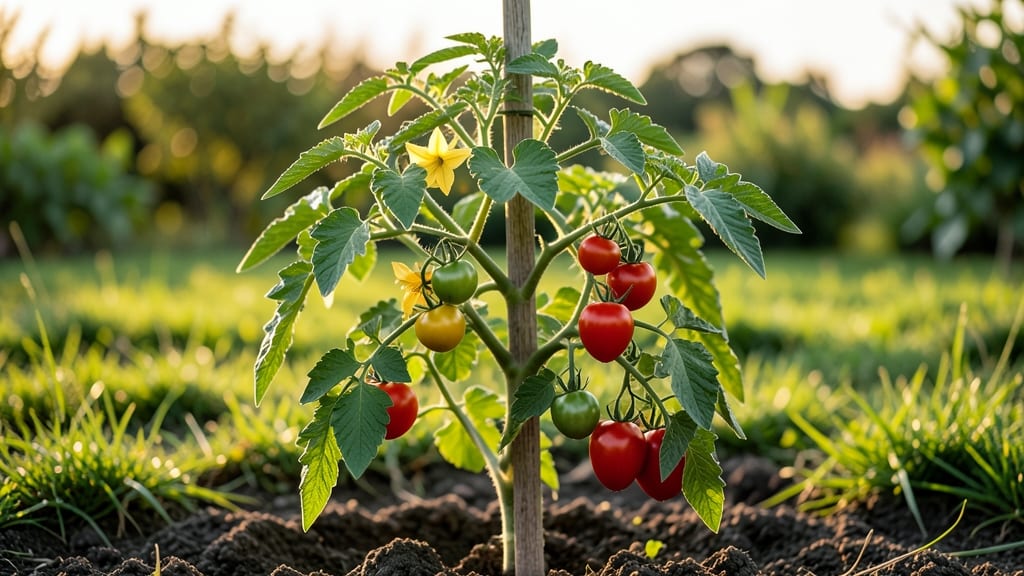
Tomatoes for pregnant women are safe and nutritious when fully ripe and washed thoroughly, offering folate, vitamin C, and potassium while avoiding raw or unpasteurized varieties to prevent foodborne risks like listeria.
Tomatoes are packed with pregnancy-friendly nutrients like folate, which supports fetal brain development, and lycopene, an antioxidant that protects cells from damage. 🌱 The vitamin C content also boosts immunity, making them a great addition to a balanced diet.
Cooking tomatoes actually increases lycopene absorption, so sauces and soups are excellent choices. Many pregnant women worry about acidity, but ripe tomatoes are gentle on digestion when consumed in moderation.
Always choose fully ripe, firm tomatoes with vibrant colors to ensure safety and flavor. Washing them thoroughly under running water removes surface contaminants, and storing them in the fridge extends freshness.
Varieties like Roma or heirloom tomatoes tend to be safer choices due to their thicker skins, which offer better protection against bacteria. When preparing tomatoes, opt for cooking methods like roasting or simmering to enhance their nutritional benefits while keeping them safe to eat.
💡 In This Article
- Nutritional Benefits of Tomatoes During Pregnancy
- Safe Tomato Consumption Guidelines for Pregnant Women
Nutritional benefits of tomatoes during pregnancy
The star nutrient in tomatoes for pregnancy is folate, also called folic acid, which plays a critical role in preventing neural tube defects like spina bifida. A medium-sized tomato contains about 10% of the daily recommended folate intake for pregnant women (400-600 mcg).
This vitamin works by helping form DNA and RNA, which are essential for rapid cell division during fetal development. 🌱 What's fascinating is that folate in tomatoes comes in the form of folate polyglutamates, which studies show may be more bioavailable than synthetic folic acid supplements when consumed with healthy fats.
Tomatoes also contain lycopene, a powerful antioxidant that gives them their red color.
Cooking actually boosts lycopene absorption by breaking down the tomato's cell walls, making it easier for your body to use. Processed tomato products like sauces and soups contain up to 5 times more absorbable lycopene than raw tomatoes.
This antioxidant helps protect cells from oxidative stress, which is particularly important during pregnancy when your body is working overtime.
The vitamin C in tomatoes (about 23 mg per medium tomato, or 25% of daily needs) supports collagen production and immune function, helping you stay resilient against common pregnancy-related infections.
Many pregnant women avoid tomatoes due to concerns about acidity, but ripe tomatoes have a pH of around 4.3-4.9, which is only slightly acidic—similar to bananas or apples. The acidity comes from citric and malic acids, which are natural and generally well-tolerated when consumed in moderation.
What's more, the fiber in tomatoes (about 1.5 grams per medium tomato) helps balance digestion and prevent heartburn, a common pregnancy complaint.
The potassium content (about 290 mg per tomato) also helps regulate blood pressure and fluid balance, which is crucial during this time when hormonal changes can affect circulation.
One common misconception is that all tomatoes are equally nutritious. Actually, red tomatoes contain significantly more lycopene than yellow or green varieties, with heirloom tomatoes often having up to 30% more antioxidants than commercial varieties.
The skin is where most of the nutrients reside, so eating tomatoes with their skin on maximizes benefits. For example, a 1-cup serving of diced Roma tomatoes (with skin) provides nearly double the vitamin C and lycopene compared to peeled tomatoes.
This is why tomato-based dishes like gazpacho or fresh salads are excellent choices—they preserve these skin-bound nutrients while being gentle on digestion.
Here's what the science shows about tomato consumption during pregnancy:
- Folate absorption: Cooking tomatoes doesn't destroy folate, but pairing them with healthy fats (like olive oil in sauces) can enhance absorption by up to 40%
- Lycopene benefits: Studies show pregnant women with adequate lycopene intake have lower risk of preeclampsia (high blood pressure during pregnancy)
- Vitamin C synergy: The vitamin C in tomatoes works with iron from plant sources to improve iron absorption, helping prevent anemia
What most people don't realize is that tomatoes are also a good source of vitamin K (about 10% of daily needs), which supports bone health—a critical consideration as pregnancy increases calcium demands. The combination of these nutrients makes tomatoes one of the most pregnancy-friendly vegetables when prepared properly. 💛